Christmas, Kwanzaa, and other end-of-year holidays typically mean travel followed by close indoor contact with friends or loved ones — near-perfect conditions for nasty airborne viruses to spread. And when it comes to communicable illnesses, experts say, this holiday season is going to be a doozy.
Though we’re barely a week into December, public health officials say winter is shaping up to be another three-virus merry-go-round, with rates of COVID-19, flu, and respiratory syncytial virus (RSV) all on the uptick in many regions of the country.
The flu has been declared “prevalent” in some states — meaning the virus has infected so many people that healthcare workers should take extra precautions.
Still, given the mixed messages about vaccines coming from public health agencies under the control of Robert F. Kennedy, Jr., President Donald Trump’s Health and Human Services secretary, deciding whether to get seasonal jabs can be confusing.
To make things a bit easier, we at Word In Black researched the top six vaccines that experts recommend before hugging older relatives, bouncing babies on your knees, or squeezing into airplanes and buses with fellow travelers.
As always, consult a trusted healthcare professional for personal guidance.
1. Updated Flu Vaccine
Seasonal flu still causes millions of illnesses and tens of thousands of deaths in the U.S. each year and is the deadliest vaccine-preventable disease besides COVID-19. The flu sent a record-setting number of people to the hospital during the 2024-2025 season, even though flu shots are highly effective in reducing the risk of severe illness or hospitalization.
Medical experts recommend, with rare exceptions, that everyone 6 months and older get vaccinated against the flu as soon as possible. It takes about two weeks for complete protection to kick in.
The updated vaccines will protect against the specific flu strains the World Health Organization and the Centers for Disease Control and Prevention say are currently circulating worldwide.
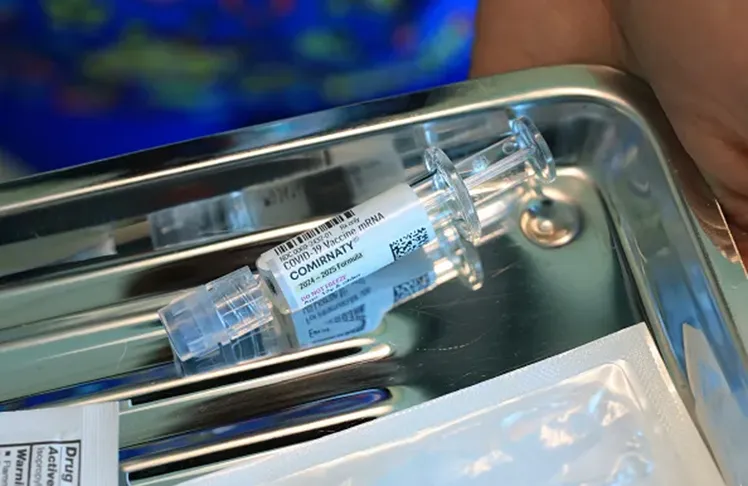
2. Updated COVID-19 Vaccine
As of early December 2025, infections from the current COVID-19 strain are growing or likely to grow in most U.S. states. It’s also surging worldwide.
Experts recommend getting vaccinated at least two weeks before traveling or gathering with family. In most cases, it’s all right to get COVID-19 and flu vaccines at the same time.
3. RSV Vaccine
RSV can cause serious illnesses in older adults and is the leading cause of infant hospitalization. RSV infection levels are rising in much of the country, especially among children under age four.
Authorities recommend the vaccine for all adults aged 75 and older, and adults over age 50 who have chronic heart or lung disease, a weakened immune system, or other complications. Infants and women who are in late-stage pregnancy should talk with their healthcare professional about whether to get the RSV vaccine.
4. Pneumococcal Vaccine
Pneumococcal bacterial infection can cause pneumonia, bloodstream infections, and meningitis. Cases often spike in winter, and can be deadly for older adults or people with chronic illnesses.
Experts suggest all adults age 50 and older who haven’t had a pneumonia vaccine should get one. Many adults, even those in their 60s and 70s, haven’t had the jab, so be sure to check medical records before taking the shot.
5. Tdap or Tetanus Booster
This vaccine protects against tetanus, diphtheria, and pertussis, also known as whooping cough, and the jab is crucial for both children and adults. Whooping cough in newborns can be life-threatening, and many infants are exposed to the disease by asymptomatic adults.
Experts recommend vaccination for adults who haven’t had the vaccine, as well as pregnant women in their third trimester. Also, if it’s been 10 years or more since your last tetanus shot, you’ve never had one — or can’t remember if you have — ask your provider about getting a booster shot.
6. MMR & Varicella
Outbreaks of measles, mumps, rubella, and chickenpox are on the rise, especially in communities with lower vaccination rates or among travelers. This year, the U.S. lost its status as having eradicated measles, and several outbreaks — some deadly — have occurred nationwide, most prominently in Texas and South Carolina.
Before piling into a multigenerational house or traveling internationally, experts recommend confirming MMR-V vaccine status or immunity.
7. Shingles Vaccine
Shingles is a reactivation of the chickenpox virus that can cause severe pain and long-lasting nerve damage. People don’t catch shingles from others, but someone with shingles can transmit the virus that causes chickenpox to people who aren’t immune.
All adults age 50 and older, as well as some adults age 19 and older with compromised immune systems, should get the shingles vaccine.
8. Travel-Specific Vaccines
Those headed overseas during the holidays should check the CDC’s travel health site or visit a travel clinic at least 4–6 weeks before departure. Depending on destination and activities, experts may recommend:
- Hepatitis A and/or B
- Typhoid
- Yellow fever (for specific countries)
- Polio booster in areas where polio is still circulating