By Aaron Allen
The Seattle Medium
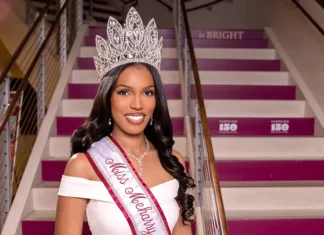
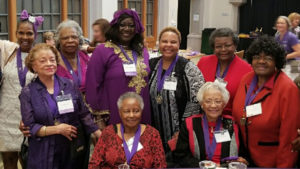
In 1949, a group of young Black women decided they needed to support each other in the field of nursing, and the Mary Mahoney Professional Nurses Organization (MMPNO), a local organization that provides financial aid and scholarships to students of African heritage who pursue studies that lead to careers in professional nursing, was born.
Today, Mary Mahoney, as it is affectionately called, is still vibrant and doing all they can to continue the tradition of supporting young people interested in becoming registered nurses in the Pacific Northwest.
Vivian Lee, a retired nurse, publicity chair and an active member of the MMPNO, recalls the origins of the organization as she reflects on her own experience.
“The Mary Mahoney Professional Nurses organization was actually organized about 70 years ago,” says Lee. “It was established by thirteen African American registered nurses in this area who had a lot of difficulty at that time, because of segregation and racism, in getting positions and getting into schools of nursing.”
According to Lee, once established the organization set its sights on making sure that “colored students” possessed equal opportunities to become registered nurses and provided the support needed for students to be successful in attaining that goal.
Named after Mary Mahoney, the first American African woman to became a registered nurse in America, the organization was founded by Anne Foy Baker, who invited 12 other Seattle nurses to a meeting at her home to discuss the idea of starting a professional organization.
The organization has two missions: one to provide information and support for each other and the community and second, to provide scholarship support to young people interested in pursuing education and careers in nursing.
Baker believed that “nursing was a calling to serve” much like becoming a minister. She believed that nurses had an obligation to provide their services to the community and those in need of care.
Every year since 1950, the MMPNO has offered scholarships to aspiring students as a part of their outreach and support to young people looking to become registered nurses.
Supporting young people financially and throughout their educational experience is a foundational component for MMPNO, and a role that its members don’t take for granted, even today.
Joycelyn Thomas, the current president of MMPNO, says that mentorship and advocacy for the students is one of the most important responsibilities of its membership.
“One of the big pieces that we do, that is sort of unsung, is that we mentor,” says Thomas. “Our mentoring consists of us, of course, advocating for our students, helping them navigate challenges.”
Lee agrees and says that mentorship and advocacy has been vital in helping Black nurses succeed in what can be difficult environments.
“We realized that we had to support them,” says Lee. “Not only did we support financially with scholarships, but actually follow each of the graduates and give them support while they were in the school of nursing.”
“And let me tell you, there were a lot of times when we had to intervene, because we were the ones, many of us who are retired from very responsible positions, that were able to be a bridge for the young students who may have needed advocacy as they completed their education,” added Lee.
Over the years, the organization has placed emphasis on providing scholarships to local students because they were most likely to come home and serve as nurses here in the Seattle.
The COVID-19 pandemic has put a spotlight on the important frontline roles that nurses play in the overall well-being of our society, and the Mary Mahoney Professional Nurses Organization has been actively involved. Their nurses are presently doing all they can to help and support the community. Most of their current members are on active duty in several of the area’s hospitals tending to COVID-19 patients, and risking their lives for the well-being of our communities.
This year, the University of Washington is honoring 100 years of the nursing by honoring 100 of the most influential nurses to come out of UW’s nursing program and sixteen members of Mary Mahoney, including Lee who received her degree in nursing from UW in 1959, are among the honorees. While the recognition is great for each individual, it means even more for the organization and Black nurses as whole.
Not only are Black nurses on the frontlines of this world crisis, but the members of MMPNO provide a plethora of services geared towards the well-being of Black people in general. They regularly volunteer their time to screen people for pre-existing conditions that can compromise one’s health such as diabetes, high blood pressure and other ailments associate with the Black community. Yet, they don’t do it for recognition, but rather they do it for the love of their community.
“I am so proud of our African American nurses, and of all the volunteer work we do in health screening and advocacy for African American community and our African American student nurses,” says Lee. “I’m not sure the community really realizes how much we advocate and bring attention to the health needs of the African American community on a day-to-day basis.”
“Nurses are an unsung hero,” adds Lee. “They are the first to greet and comfort you during your time of medical need, they are the ones who help to maintain your spirit as you fight through whatever may be ailing you, they are the last ones you hug and say goodbye to when you are discharged from the hospital and their efforts should be recognized.”