By Kendall Blank, The Seattle Medium
Social expectations during the holidays emphasize surrounding yourself with friends and family, but for those who are experiencing grief, the hyperfocus on joy and loved ones can make these months particularly challenging.
To prepare and understand what others, or you, might be going through, three therapists offer ways to navigate the triggers that may come up during this time.
“Once a trigger is a trigger, it’s always going to be a trigger. So it’s how do we respond to the trigger in a way that does not cause one to become debilitated by the experience,” said Brian Prester, a licensed independent clinical social worker in Seattle.
The holidays can trigger grief in many ways, but Black communities experience disproportionately high levels of grief throughout the entire year. Ashley McGirt-Adair, a Seattle-based psychotherapist and owner of the Therapy Fund Foundation, talked about the constant grief Black communities experience because Black people die at much higher rates compared to white people.
“We are grieving people and not even getting a chance to fully grieve them because there is someone else who has passed away within that same timeframe,” said McGirt-Adair.
Western medicine and health care are inequitable for people of color and don’t acknowledge the emotional impact that being Black in America has on an individual’s mental health.
“Insurance doesn’t even recognize racial trauma, so there’s a system that’s not even designed to understand the impact that racism has on our mental health,” she said.
“In a nutshell, grief is the multitude of thoughts, feelings, emotions and desires that can come up when there is a loss of someone or even something,” said Brian Prester, a Seattle-based licensed independent clinical social worker.
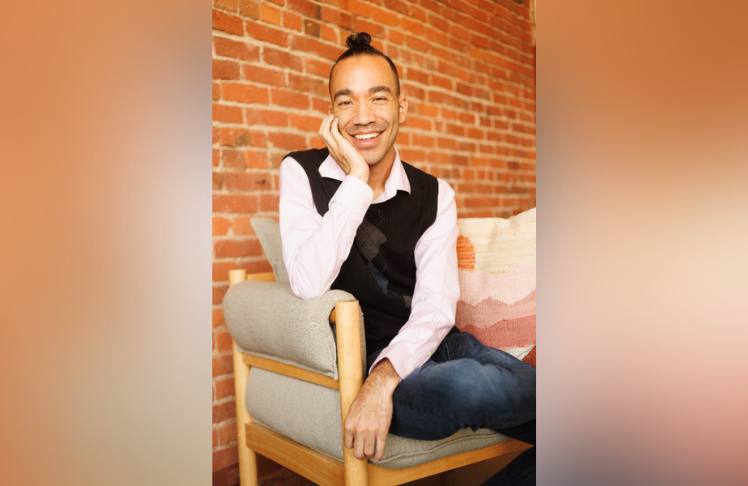
Prester says the process of grief isn’t linear, rather cyclical, and depending on one’s previous experiences with grief and where they are in their process, things can trigger people in different ways and intensities.
“Essentially what a trigger does is it moves us into a state of fight or flight,” said Prester.
“Building strategies for coping and resilience is what becomes the ultimate goal. Figuring out, how do we take a particular sound, smell, music or thing and not be so evoked by it.”
Grief is often thought of as the process that people go through after losing a loved one, but grief can be experienced in various ways and situations.
Prester said it is important to understand and accept forms of grief that are more ambiguous, such as the grief you may feel after a breakup or losing a job. Those kinds of grief come with an additional layer of complexity because they can feel less defined.
“Because of the pandemic, more people have experienced the ambiguity or uncertainty that comes with grief. We were constantly wondering, are things better? What’s getting better? And then losing what we used to think of as mundane things,” said Prester.
More people can resonate with the challenges and feelings that come from these ambiguous forms of grief because of the pandemic.
“Each person experiences grief in different ways. It’s not linear and there are going to be certain things that can trigger your grief, especially during the holidays,” said McGirt-Adair.
She works with her clients to help them understand that the holidays are going to feel different if they are grieving. If they prepare in advance and find things to lessen the emotional impact, then they will be better prepared to respond to those triggers.
“It’s good to have some effective coping strategies in preparation for the holidays and how you respond to grief,” said McGirt-Adair.
She said she works with her clients to find ways to honor those who have passed, and to keep their memory alive during the holidays. Whether it’s lighting a candle, filling a plate with their favorite Thanksgiving foods or continuing their favorite holiday tradition, actions like these can help bring back special memories of loved ones. To keep them with us.
Nicole Wilson, a licensed mental health counselor and clinical social worker in South Seattle, says an important part of healing is letting yourself feel happiness and enjoying life again.
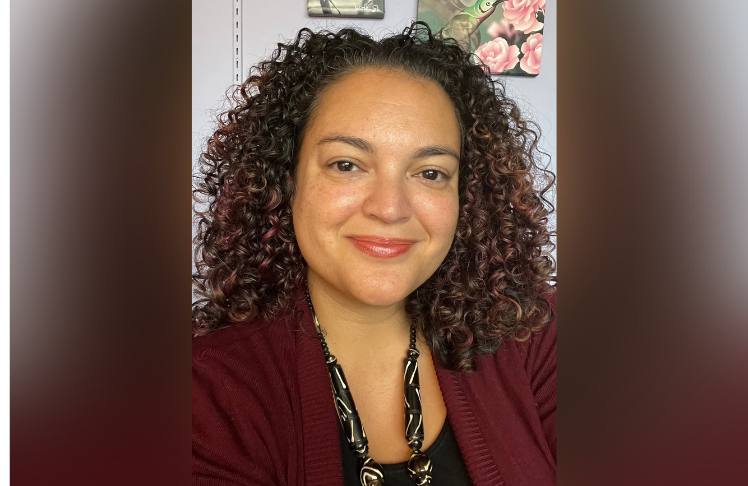
“Give yourself permission to feel joy,” she said.
For our friends who may be experiencing heightened grief during this time of year, McGirt-Adair says to reach out and check in on them. Invite them over to be a part of your traditions or see if you can be a part of some of theirs they want to continue.
Wilson says that sharing a memory or something you loved about the person who has passed can go a long way. “It can seem really painful when people seem to forget [the loved one] by not mentioning them anymore.”
She said that people who are grieving often just need a space where they don’t feel like they have to mask their emotions.
“Allow them to show up and be their full selves, and let them know it’s okay to be that,” said Wilson.
Wilson shared organizations that help people find affordable therapy and mental health resources.
- DMHS: Deconstructing the Mental Health System is an organization seeking to improve access to mental health care services for people of color.
- Multicultural Counselors is a resource that helps people find counselors with a wide variety of backgrounds who may better understand their needs and experiences.
- Open Path Psychotherapy Collective is a nonprofit that helps provide low-cost therapy to clients in need.
- Lastly, Wilson shared the Therapy Fund Foundation, founded by Ashley McGirt-Adair, which provides resources to help eliminate barriers in Black healing.
“It’s not that the grief just goes away, it just doesn’t hit with such intensity after time. Your life and your experiences will grow around it,” said Wilson.