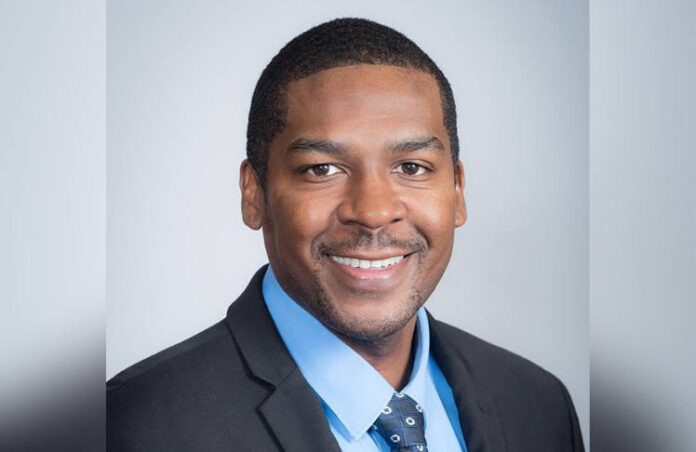
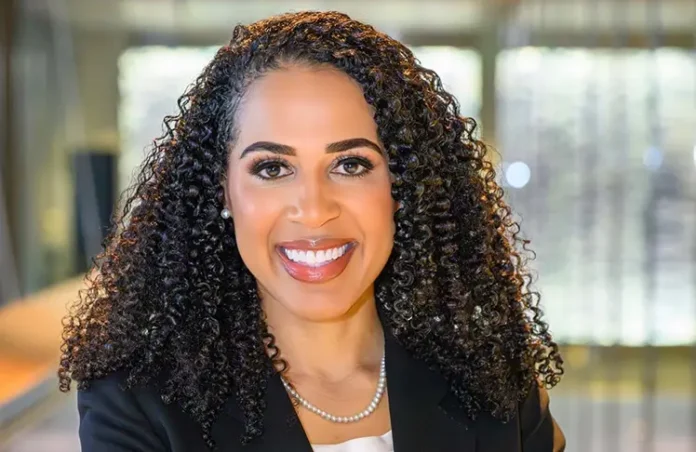
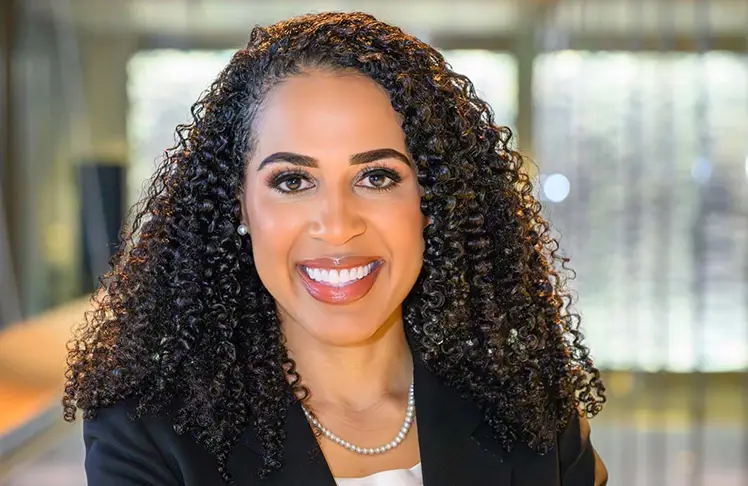
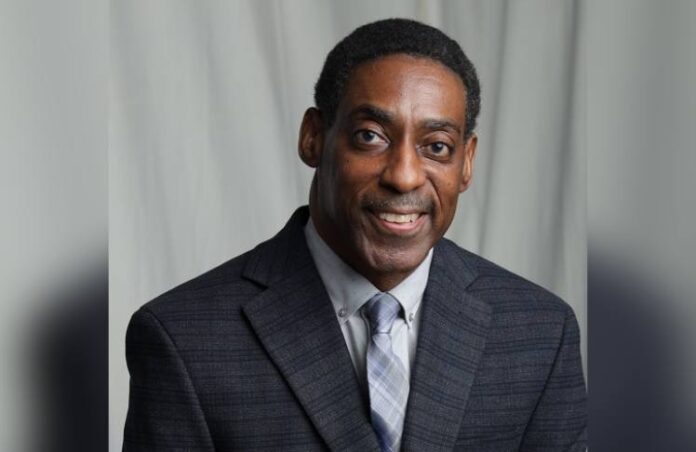
Community advocate Deaunte Damper has been named a grand marshal for the 2026 Seattle Pride Parade, an honor recognizing his impactful work at the intersection of Black identity, public health, and LGBTQ advocacy. This development aligns with Seattle Pride 2026’s theme, “Rally,” which underscores unity, visibility, and collective action in response to increasing challenges faced by LGBTQIA2S+ communities.
Experts assert that financial communication is paramount for the long-term success of relationships. Couples are advised to engage in open and honest discussions concerning shared expenses, debt, long-term objectives, and financial values. This collaborative financial planning is essential for shaping both daily life and future prospects.
On the Rhythm & News Podcast to talk about how couples can build a strong financial foundation and avoid some of the most common pitfalls is Quincy Crawford with Chase.
A coalition of 15 state attorneys general and the District of Columbia has filed a lawsuit against the U.S. Department of Housing and Urban Development (HUD), challenging efforts to roll back key fair housing protections, including the critical use of ‘disparate impact.’ Advocates warn that weakening these safeguards could impede accountability for discriminatory practices and exacerbate housing discrimination, particularly as access to affordable housing remains a significant national concern.
On the Rhythm & News Podcast to talk about this issue is Charlene Crowell, a longtime advocate and expert on economic justice.
Seattle is making measurable progress on transportation improvements citywide, according to a newly released report detailing how millions in voter-approved funding are being used to expand infrastructure, improve safety, and address long-standing inequities in the transportation system.
The City of Seattle recently released its 2025 Seattle Transportation Levy Annual Report, outlining how a $77 million investment supported upgrades to sidewalks, transit access, bike lanes, and street safety projects. The report, along with the city’s Transportation Levy Dashboard, shows most programs met or exceeded their 2025 milestones.
In the first full year of implementation under the eight-year, $1.55 billion levy approved by voters in 2024, city officials say the focus has remained on improving safety and mobility, particularly in historically underinvested neighborhoods.
“The report highlights the progress we have made toward building a city where everyone can move around safely and efficiently, no matter where they live or how they travel,” said Seattle Mayor Katie Wilson.
City crews repaired more than 17,000 potholes and completed nearly 21,000 targeted sidewalk safety improvements in 2025, while also expanding transit and bike infrastructure. Mobility upgrades included 52 transit spot improvements designed to make bus travel safer and more reliable, along with more than four miles of enhanced protected bike lanes.
Safety improvements were also a central focus. The Seattle Department of Transportation installed 45 leading pedestrian intervals to give walkers a head start at crossings, completed 30 Safe Routes to School projects, and implemented eight high-collision safety upgrades aimed at reducing crashes in high-risk areas.
“We have worked closely with communities to ensure these projects meet local needs and create opportunities for everyone to thrive,” said Wilson. “And we have advanced efforts to make Seattle greener and more sustainable, laying the groundwork for a healthier future.”
Environmental and sustainability efforts were also part of the investment. The city planted more than 1,100 trees, continued planning for low-pollution neighborhoods, and evaluated 30 existing electric vehicle charging sites to support future expansion to libraries, community centers, and parks.
The levy also includes a historic investment in sidewalk infrastructure. In 2025, the city built nearly 30 new blocks of sidewalks and hosted 10 neighborhood “walkshops,” community engagement sessions that helped identify 250 new sidewalk and walkway blocks planned for delivery within the first four years of the levy.
“The eight-year Levy is a cornerstone of our efforts to achieve the goals outlined in the Seattle Transportation Plan,” said Angela Brady, acting director of the Seattle Department of Transportation. “Through investments across multiple program areas, we are working toward our shared vision of Seattle as an equitable, vibrant city where everyone can move around safely.”
To improve accountability and transparency, the city established a new Levy Oversight Committee and began forming a Transportation Funding Task Force to explore long-term infrastructure funding solutions.
“We established a new Levy Oversight Committee to ensure transparency and representation, with a focus on equity in its recruitment process,” said Brady. “Additionally, we began work to form a Transportation Funding Task Force to explore long-term solutions for maintaining and improving our city’s infrastructure.”
City officials say the progress made in 2025 reflects both the scale of the investment and the importance of continued community engagement in shaping transportation priorities.
The city has also begun construction on the Fortson Square redesign, which aims to create a more welcoming gateway to Pioneer Square, as part of broader efforts to improve livability and public space.
Looking ahead, officials say the city will continue to focus on delivering projects on time and maintaining transparency as it works to meet the long-term commitments outlined in the transportation levy.
“The progress we’ve made in 2025 is a testament to what we can achieve when we work together toward a common goal,” said Brady.
Washington Attorney General Nick Brown used the release of the office’s 2025 Annual Report to outline a broad first-year agenda focused on protecting residents, strengthening consumer protections and asserting the state’s legal authority amid ongoing legal and policy challenges.
The report offers a detailed look at the work of the Attorney General’s Office, from high-profile legal challenges against the Trump administration to cases targeting scam artists, predatory businesses and criminal activity, while continuing to provide legal guidance that allows state agencies to serve the public effectively.
“This is a time of widespread mistrust in government,” said Brown. “We must endeavor to be the best public law firm in the country. We must show the people that the government works for them.”
A central focus of the office’s work in 2025 was responding to federal actions that threatened critical funding. The Attorney General’s Office filed 49 lawsuits against the federal government, helping protect more than $15 billion tied to education, health care, housing and public safety programs that support families across Washington.
Those funds support essential services, including schools, food assistance for children, access to health care and housing for individuals transitioning out of homelessness. For many Washington residents, particularly those facing economic challenges, these programs serve as a critical safety net, making the office’s legal interventions especially consequential for residents already facing systemic barriers.
The office also continued its core responsibility of providing legal counsel to state government, supporting more than 230 agencies, boards and commissions across all three branches. With nearly 2,000 employees across 13 cities, the office plays a central role in ensuring state operations remain lawful and effective.
Consumer protection remained a major priority. In 2025, the office recovered more than $33 million through enforcement actions and returned more than $18 million to consumers through the Lemon Law program. The Consumer Resource Center handled more than 40,000 complaints, addressing issues such as fraud, deceptive practices and identity-related crimes.
These protections can play a significant role for seniors, working families and communities that are more frequently targeted by scams and predatory financial practices, highlighting the role of the Attorney General’s Office in addressing economic inequities.
The report also highlights efforts to hold businesses accountable for labor violations. The office secured settlements on behalf of farmworkers impacted by misuse of visa programs and pursued additional cases aimed at protecting workers from exploitation.
Housing affordability and renter protections were another key focus. The office took action against companies accused of driving up rental prices through monopolistic practices and secured refunds for tenants who were overcharged, addressing some of the root causes of the state’s housing crisis.
In cities like Seattle, where rising housing costs have disproportionately displaced Black residents and other communities of color, these efforts are closely tied to broader concerns about equity, stability and access to opportunity.
Public safety work included prosecuting more than 70 criminal cases referred by local jurisdictions and securing a conviction in a nearly decade-old case through the Missing and Murdered Indigenous Women and People Cold Case Unit.
The office also expanded support services for vulnerable communities. The HearMeWA youth crisis response program connected young people experiencing stress, violence and abuse with support, while a newly launched statewide hate crimes and bias hotline provides resources and assistance to victims.
These programs reflect a broader focus on addressing gaps in services for youth, marginalized communities and victims of violence who may otherwise face barriers to accessing help.
Brown, the first Black attorney general in Washington state history, has emphasized a leadership approach focused on accountability, equity and delivering measurable outcomes for residents.
“As Attorney General, Nick Brown’s focus is on getting results that benefit Washington State residents and tangibly improve their lives,” the report states.
Seattle City Attorney Erika Evans announced Wednesday that her office will dedicate a full-time attorney to enforcing wage theft laws and protecting workers’ rights, a move aimed at strengthening accountability for employers who violate labor laws.
The new position within the City Attorney’s Office will focus exclusively on workplace law and wage theft enforcement, marking a shift from the previous structure in which those responsibilities were handled as part of a broader legal portfolio.
City officials say the change will increase the office’s capacity to pursue wage theft cases and support enforcement efforts in partnership with the city’s Office of Labor Standards.
“I grew up in a working class household where I was brought up on the values of service, hard work, and always standing up for others,” Erika Evans said. “Wage theft not only harms individual workers but also creates nasty ripple effects that undermine public service funding and undercut honorable employers who play by the rules.”
Erika Evans said the new role reflects a broader effort to prioritize worker protections and ensure labor violations receive sustained attention.
“I was proud to prosecute a major, egregious wage theft case when I was at the Department of Justice, and now I’m in a position to ensure that the Seattle City Attorney’s Office prioritizes wage theft and worker’s rights by giving them the full attention of a dedicated attorney,” Erika Evans said.
Previously, legal support for the Office of Labor Standards was provided by an assistant city attorney who also handled multiple other responsibilities. Under the new structure, that work will be reassigned, allowing one attorney to focus solely on workplace enforcement.
Evans announced the change at City Hall during a rally hosted by the North Coast States Carpenters Union, underscoring the city’s ongoing efforts to address wage theft and strengthen protections for workers.
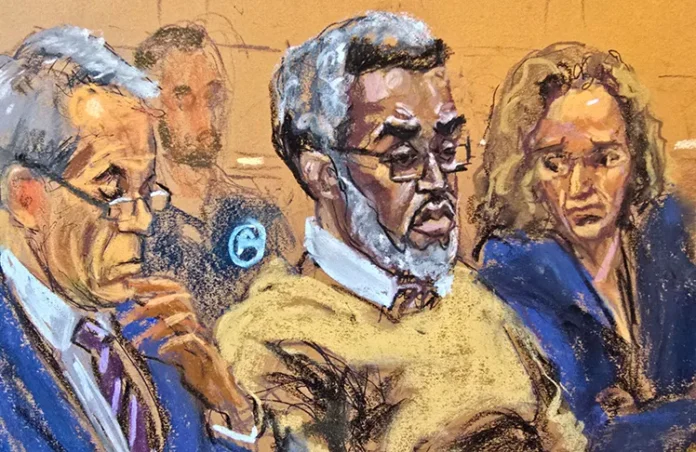
Sean "Diddy" Combs is seen with his attorneys in this courtroom sketch during a court appearance in October 2025. (Jane Rosenberg/Reuters via CNN Newsource)
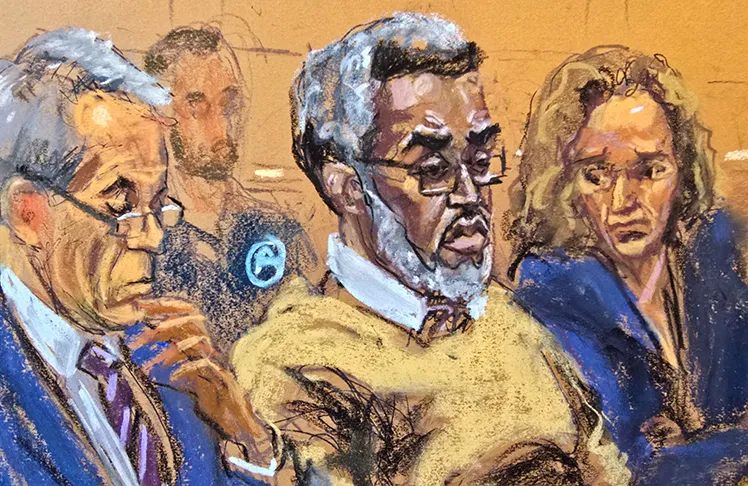
Sean “Diddy” Combs is seen with his attorneys in this courtroom sketch during a court appearance in October 2025. (Jane Rosenberg/Reuters via CNN Newsource)
By Kara Scannell, Nicki Brown, CNN
New York (CNN) — A panel of federal appellate judges on Thursday grilled US prosecutors and lawyers for Sean “Diddy” Combs over the validity of his 50-month prison sentence for his conviction on prostitution-related charges.
Combs’ lawyers are seeking the music mogul’s release from prison, arguing his trial judge improperly considered conduct for which Combs had been found not guilty – namely the evidence linked to the more serious counts of racketeering conspiracy and sex trafficking.
“Their unanimous verdict was not guilty on the most serious charges,” defense attorney Alexandra Shapiro told the Second Circuit Court of Appeals on Thursday. “The jury did not authorize punishment for sex trafficking or conspiracy, but that’s what drove the sentence here.”
Prosecutors, in turn, are asking the appeals court to affirm the conviction and sentence.
Assistant US Attorney Christy Slavik argued Combs’ sentence was based in part on many factors that did not include acquitted conduct, including his history of abusing women.
“What the judge did here, what really drove his analysis, didn’t rely on acquitted conduct,” Slavik said. “It didn’t even rely on disputed issues to begin with.”
The court had set aside 20 minutes for both sides to make their cases. But the hearing lasted roughly two hours as the judges peppered the attorneys with questions about evidence and hypotheticals as they grappled with how to decide the issues.
“This is an exceptionally difficult case,” Judge William Nardini said at the conclusion of the hearing. The panel did not issue a decision Thursday, although Shapiro urged the judges to rule as quickly as possible.
Combs did not attend the arguments.
The founder of Bad Boy Records was convicted last July on two counts of transportation to engage in prostitution in violation of the Mann Act for arranging travel for escorts to engage in sex acts with his then-girlfriends, Cassie Ventura and a woman who testified under the pseudonym “Jane.”
Combs was acquitted of racketeering conspiracy and sex trafficking. Prosecutors alleged Combs coerced the two women into having sex with male escorts, often by supplying drugs to sustain them over multiple days. The marathon sex sessions – which were often filmed – were referred to as “Freak Offs” and “hotel nights.”
Combs was sentenced to more than four years in prison in October. He is currently scheduled for release in April 2028, according to records from the US Bureau of Prisons. He has been held in federal custody since his arrest in September 2024.
Prosecutors say sentence was justified by ‘overlapping conduct’
Combs’ lawyers argued he should be released because defendants convicted of similar prostitution-related offenses typically receive sentences of 15 months. They are also asking the appeals court to acquit Combs of the prostitution-related charges or send the case back to US District Judge Arun Subramanian for resentencing.
At the outset of Thursday’s hearing, Nardini noted the Second Circuit has previously held it was constitutional for a sentencing judge to consider acquitted conduct.
But Shapiro argued the court has not weighed in since the US Sentencing Commission issued guidelines prohibiting acquitted conduct from being considered when calculating advisory sentencing guidelines.
“I don’t think the court has expressly addressed this issue since the guideline amendment,” she said.
Prosecutors said the new guidelines apply when calculating the sentencing range, not determining the sentence. In the latter, judges are allowed to consider other factors, including the character of the defendant.
Shapiro argued prosecutors spent their time at trial trying to prove the more serious charges in the case, and that the Mann Act charges were merely an “afterthought.”
Judge M. Miller Baker suggested Subramanian was “mixing and matching” evidence that was introduced to prove the other charges to support Combs’ sentence.
“Why shouldn’t we hold you to the way you prosecuted the case?” Baker asked prosecutors Thursday. “You went to the jury, and you said this man did all these terrible things for purposes of the RICO conspiracy, for purposes of sex trafficking, and they acquitted him. And then for the Mann Act, it was just a sideshow.”
Slavik argued there was a lot of “overlapping conduct” between the individual charges.
“The evidence of the hotel nights and the Freak Offs related both to the sex trafficking and the Mann Act charges,” Slavik said, adding there was never a “dividing line.”
Shapiro argued the judge sentenced Combs based on instances of coercion, an element of the sex trafficking charges which she argued the jury rejected.
“(Subramanian) found coercion when the … jury had not found coercion,” she said.
Slavik argued that, even if the appeals court disagreed with the trial judge’s findings related to acquitted conduct, the sentence should be affirmed since the trial judge said he would have reached the same sentence.
“(Subramanian) unequivocally and explicitly stated that he would impose the same sentence regardless of the acquitted conduct guideline,” Slavik said.
As an example,Slavik said the judge identified five “criminally liable participants” who were involved in the transportation of the escorts to justify a higher sentence.
Combs’ attorneys also objected to Subramanian’s characterization at sentencing of Ventura, Jane and the escorts as “victims,” which impacted the sentence.
Jurors did not believe Ventura and Jane were victims, Shapiro said, since they acquitted Combs of the sex trafficking charges related to the two women. The escorts should also not be classified as victims, which are defined as people who were “harmed or injured by the offense,” she said.
Amateur pornography argument not a focus of hearing
In court filings, Combs’ attorneys also argued his conviction on prostitution-related charges should be overturned because he engaged in voyeurism and amateur pornography – conduct they say is protected by the First Amendment.
The issue was not a focus of Thursday’s arguments. But Combs’ attorneys say prostitution is not defined in the Mann Act and ask the appeals court to reject an “overbroad interpretation of the statute.”
“Freak-offs and hotel nights were highly choreographed sexual performances involving the use of costumes, role play, and staged lighting, which were filmed so Combs and his girlfriends could watch this amateur pornography later. Pornography production and viewing of this sort is protected by the First Amendment and thus cannot constitutionally be prosecuted,” his lawyers wrote in a court filing.
“In other words, the term ‘prostitution’ in the Act should be limited to those situations where a paying customer engages in sex with the person being paid,” his lawyers wrote.
Prosecutors called Combs’ argument “meritless.”
“Combs is entirely differently situated from adult film distributors: He hired and transported commercial sex workers to have sex with his girlfriends for his own sexual gratification, sometimes directly participating in the sex acts,” prosecutors wrote in a response filed in February.
To side with Combs, prosecutors said, would mean “any defendant who transported others to engage in prostitution could escape liability simply by watching or filming the sex.”
The Advisory Committee on Immunization Practices was created in 1964 to study data on vaccines and make recommendations on their use to the US Centers for Disease Control and Prevention. (Tami Chappell/Reuters/File via CNN Newsource)
The Advisory Committee on Immunization Practices was created in 1964 to study data on vaccines and make recommendations on their use to the US Centers for Disease Control and Prevention. (Tami Chappell/Reuters/File via CNN Newsource)
By Brenda Goodman, CNN
(CNN) — US Health and Human Services Secretary Robert F. Kennedy Jr. has approved changes to rules that govern an expert group that advises the US Centers for Disease Control and Prevention on its vaccine recommendations.
The move, part of Kennedy’s latest effort to reshape the country’s vaccine policy, follows a March court order that temporarily blocked the work of the CDC’s Advisory Committee on Immunization Practices, or ACIP, and put some of its previous moves on hold.
The revisions significantly broaden the scope of the work that falls under the purview of the committee, which had previously limited its focus to making recommendations on the use of vaccines in the United States.
In a statement Thursday, HHS spokesperson Andrew Nixon described the renewal of the committee’s charter as “routine statutory requirements” that “do not signal any broader policy shift.”
“Unless officially announced by HHS, any assertions about next steps are speculation,” Nixon added.
Additions to the committee’s charter, or rulebook, include several points that have long been priorities of groups that advocate against the use of vaccines. The charter now puts a focus on “identifying gaps in vaccine safety research, including adverse effects following vaccination.”
The committee has also been directed to consider the “cumulative effects” of giving all recommended childhood vaccines and considering ingredients in vaccines, such as aluminum, which is added to vaccines in tiny amounts to boost the body’s immune response to them. Some vaccine skeptics believe that aluminum in vaccines may be tied to neurodevelopment problems in children, such as autism, although large studies investigating the issue have found no link.
Additionally, ACIP is now specifically tasked with considering “novel vaccine platforms such as mRNA vaccines” – the technology behind two of the Covid-19 vaccines available in the US – and reviewing the vaccine schedules used by other countries.
In August, the US Department of Health and Human Services announced that it was winding down its mRNA vaccine development activities and canceled nearly $500 million in federal funding for mRNA research and development projects, saying it was pivoting to “safer, broader” platforms “that remain effective even as viruses mutate.”
“The new charter seems to try to codify the RFK vision of ACIP as a committee focused on risk only and not balance or risk and benefit,” said Dr. Demetre Daskalakis, who resigned as director of the CDC’s National Center for Immunization and Respiratory Diseases last year over changes to vaccine policy at the agency. He is now chief medical officer of Callen-Lorde Community Health Center.
Daskalakis also noted that the charter gives non-voting memberships to some medical organizations that have expressed skepticism of vaccines, saying it would give them a new platform from which to further destabilize trust in vaccines “without basis.”
Among the new non-voting liaison members are the Independent Medical Alliance, Physicians for Informed Consent and the Association of American Physicians and Surgeons, groups that maintain that vaccine risks are underreported or hidden from the public and that vaccine benefits may not outweigh their harms.
Richard Hughes, a lawyer who is representing the American Academy of Pediatrics and other medical associations in a lawsuit against Kennedy, said in a statement that the new focus on adverse events “is especially concerning, as it appears to foreground vaccine harms in a way that could further reorient ACIP’s mandate.”
ACIP was created in 1964 to study data on vaccines and make recommendations on their use for Americans.
Its recommendations, once accepted by the CDC, determine which vaccines are covered by insurance and purchased by the government for low-income children. States and school districts also look to ACIP’s recommendations to set vaccine policy, and it sets the vaccine schedule used by doctors to guide patient care.
One of Kennedy’s first acts as HHS secretary was to dismiss all 17 previous ACIP members and replace them with seven new members, several of whom had histories of exaggerating the harms of vaccines while downplaying their benefits.
Kennedy, who has long claimed that vaccines do more harm than good, complained that the previous ACIP members were biased in support of vaccine manufacturers, despite federal rules that carefully screen members for potential conflicts of interest.
Among the replacements were a pharmacist, a psychiatrist, an emergency medicine physician, three obstetrician/gynecologists, and professors of operations management and population health.
US District Judge Brian E. Murphy ruled in mid-March that while many of the recently appointed members “have extensive expertise in their chosen fields,” government committees that require technical expertise should “include persons with demonstrated professional or personal qualifications and experience relevant to the functions and tasks to be performed by the committee.”
The judge wrote that “on this point there are glaring gaps,” with “even under the most generous reading, only six appear to have any meaningful expertise in vaccines.”
In response to the ruling, HHS canceled a scheduled ACIP meeting. Several of the members said they were told the committee was being disbanded, though HHS later said that was not the case.
On Monday, HHS published a notice in the Federal Register indicating that it was renewing the ACIP charter. In addition to changes in the charter, the renewal notice appears to broaden the criteria for membership.
The previous charter specifies that the committee should consist of up to 19 members “who are knowledgeable in the fields of immunization practices and public health, have expertise in the use of vaccines and other immunobiologic agents in clinical practice or preventive medicine, have expertise with clinical or laboratory vaccine research, or have expertise in assessment of vaccine efficacy and safety.”
The renewal notice specifies that members of the committee should come from a balance of specialty areas and gives examples of biostatistics, toxicology, immunology epidemiology, pediatrics, internal medicine, family medicine, nursing, consumer issues, state and local health department perspectives, academic perspectives and public health perspectives. It also says members should represent a diversity of geographic locations within the US.
Ghanaian singer King Promise says he doesn’t object to being called an Afrobeats artist, but that his music covers many other genres, from R&B to highlife. Pictured, King Promise performing at the 2024 MOBO Awards in Sheffield, England, February 7, 2024. (Shirlaine Forrest/Getty Images For MOBO via CNN Newsource)
Ghanaian singer King Promise says he doesn’t object to being called an Afrobeats artist, but that his music covers many other genres, from R&B to highlife. Pictured, King Promise performing at the 2024 MOBO Awards in Sheffield, England, February 7, 2024. (Shirlaine Forrest/Getty Images For MOBO via CNN Newsource)
By Lauren Lee, CNN
(CNN) — Over the last decade, Afrobeats has become a global phenomenon, bringing African music into the Western mainstream. There’s now an Afrobeats category at the MTV Video Music Awards, and performers like Burna Boy and Wizkid can sell out major venues in the US and Europe.
While many African artists have been able to ride the wave of the genre’s international popularity, some musicians are now pushing for global recognition beyond its confines.
“I won’t be mad if you call me an Afrobeats artist, but it’s only because it has become the yardstick for all Africans making global music,” Ghanaian singer King Promise told CNN’s Larry Madowo.
In recent years, popular music coming out of Africa has widely been classified as Afrobeats in the global soundscape, despite encompassing styles such as hip-hop, R&B, amapiano, dancehall, highlife, and more.
King Promise, whose sound blends R&B, highlife, and hip-hop, began releasing music in 2017 and rose to international fame in 2023 with his TikTok viral dance track “Terminator.” But the 29-year-old singer and songwriter doesn’t want to be boxed into a single sound.
“Afrobeats kind of serves as the umbrella which all of our music comes together (under),” he says. But he adds that the label has a crossover feel “to make it sound appealing not to just to people back home but to the rest of the world as well.”
“I don’t think that’s the best thing,” he argues.
“I make music that I love,” he explained. “If I feel like making R&B today, I make it. If I feel like making highlife I can make it. If I feel like making Afrobeats I can make it. It’s really about my direction.”
The roots of the Afrobeats genre can be traced back to Nigeria and music icon Fela Kuti, who is widely considered the architect of the similarly named genre, Afrobeat. Popularized in the 1970s, Afrobeat merged American jazz and funk with traditional Yoruba music. More recently, Afrobeat morphed into Afrobeats a looser label and catch all for all African music that took inspiration from the original Afrobeat sound.
Although King Promise understands the label from a marketing perspective in Western countries, he and other artists believe it robs them of their authenticity.
At the 2024 MTV Video Music Awards, South African Afropop and amapiano singer Tyla described her win for Best Afrobeats song “Water” as “bittersweet” in her acceptance speech.
“The global impact that ‘Water’ had on the world just proves that African music can be pop music too,” she said.
She added, “There’s a tendency to group all African artists under Afrobeats; it’s a thing, and even though Afrobeats has run things and has opened so many doors for us, African music is so diverse. It’s more than just Afrobeats.”
Nigerian superstars including Davido, Tems, Wizkid, and Burna Boy, have publicly distanced their music from the term Afrobeats.
Wizkid even took to social media in March to say that labeling his music Afrobeats was “ like saying every American artist makes rap.”
“It’s almost like artists are being stifled”
Earlier this year, Nigerian Afrosoul singer Simi told CNN: “In the West, they have different genres. You have country musicians singing country songs, and they have artists singing hip-hop songs.
“Here you will get put into the same crowd (Afrobeats), so the more street type of song is in the same crowd with someone that sings Afrosoul.”
She added the Afrobeats label makes no distinction between genres or sounds, leading to audiences to expect everyone to sound the same.
“It’s almost like artists are being stifled,” Simi explained.
“You have to be a certain kind of artist before people respect you or give you the kind of accolades that you know you deserve.
“Someone like Adele is not having this kind of struggle.”
King Promise argues that although the Afrobeats sound has evolved over the years with the fusion of new sounds, the foundational element of the music remains the same: African tradition music. He says that will remain a mainstay in popular music.
“Just like we have hip-hop that stood the test of time, Afrobeats as a representation of our music as Africans on a global scale, it’s locking horns with the biggest, standing its ground, and it’s only getting better,” he said.
(Trice Edney Wire) – It seems contradictory that an adult would make a concerted effort to instill in a child the ideas of correct behavior, playing by the rules, and exhibiting good sportsmanship. Yet they fail to practice what they preach when they choose to play by their own one-sided rules in certain situations. Rather than abiding by the established norms, procedures, and regulations set in place for everyone to follow, they prefer to change previously established rules and narratives to suit their own advantage. As a result, the true meaning and purpose behind societal standards, even our U.S Constitution, are being changed to promote ulterior motives and agendas.
The U.S. Constitution was meant to be a timeless document with guidelines, but the Founders recognized that a changing society means the law of the land will require future amendments. While over 11,000 amendments to the U.S. Constitution have been proposed since 1789, only 27 have been ratified. In the Bill of Rights, drafted by James Madison, the first 10 amendments were added to guarantee individual liberties and place limits on the power of the federal government.
They were drafted and introduced to the First Congress by Madison in response to pressure from anti-Federalists who feared the implications of having a strong central government. The original Second Amendment was written during a different era, shaped by militias and the fear of slave uprisings. The Second Amendment states: “A well-regulated Militia, being necessary to the security of a free State, the right of the people to keep and bear Arms, shall not be infringed.” Southern leaders and anti-Federalists were worried that the new federal government would weaken or disarm state militias that were used for slave patrols and shock troops against revolts. Madison was referring to the ability of white civilian volunteers being organized by the State to police, terrorize, and crush Black resistance.
Today, people in powerful positions with ulterior motives are determined to erase the original context and redefine the meaning of Constitutional amendments to defend their versions of liberty, citizenship, and democracy. The success in changing the meaning behind the Second Amendment cannot be ignored. For most of U.S. history, courts did not read the Second Amendment as a personal right to own any gun you wanted (i.e., semi-automatic rifles). The Supreme Court repeatedly treated it as related to militias and public order, not as a shield for individual gun possession. The shift began in the late 20th century. The meaning changed because the National Rifle Association (NRA) and its allies had ulterior motives for gun rights, thereby launching a long and successful campaign to change the narrative.
First, it was the Second Amendment, now it’s the Fourteenth. The president, who attempted to abolish birthright citizenship by executive order, believes that the Constitution does not guarantee automatic citizenship to all individuals born on U.S. soil. Many agree with the president’s assessment and his bid to upend birthright citizenship in our nation. Despite their grandstanding when claiming to “uphold the Constitution,” they want to play by their own rules when defining who automatically receives citizenship. Changing the rules concerning naturalization and birthright citizenship becomes a target for those fearful of a changing nation and what it could mean when the United States eventually becomes a majority-minority nation. Redefining what it means to be an “American” is a power strategy. It has always been an issue of national identity for the overall purpose of exclusion and maintaining control.
Citizenship in the United States is a legal status that entitles citizens to specific rights, duties, protections, and benefits. Citizenship serves as a foundation of fundamental rights derived from and protected by the Constitution and laws of the United States. The Fourteenth Amendment makes it very clear in its definition of citizenship. It reads: “All persons born or naturalized in the United States, and subject to the jurisdiction thereof, are citizens of the United States and of the State wherein they reside. No State shall make or enforce any law which shall abridge the privileges or immunities of citizens of the United States.”
According to this description, there are two primary pathways to American citizenship, as specified in the Citizenship Clause of the Fourteenth Amendment. Birthright citizenship is the process by which persons born within the territorial limits of the United States are presumed to be citizens. Secondly, naturalization is the process by which an eligible legal immigrant applies for citizenship and is ultimately accepted. The Supreme Court is currently hearing oral arguments in Trump v. Barbara, in which the question of birthright citizenship is argued before the highest court. The Supreme Court has an opportunity to shut down the policy debate and high-power move by those who maintain a white supremacy agenda.
As the Trump administration’s top Supreme Court lawyer, Solicitor General D. John Sauer, made his arguments before the Court, Chief Justice John Roberts replied: “It’s a new world. It’s the same Constitution.” Those are powerful and surprising words coming from a conservative on the bench who has presided over the end of the rule of law in America. We need Chief Justice Roberts and the majority of the Supreme Court to get this one right.
David W. Marshall is the founder of the faith-based organization TRB: The Reconciled Body and the author of the book God Bless Our Divided America.