By Aaron Allen
The Seattle Medium
The Washington State Attorney General’s office as well as consumer advocates are warning homeowners, especially African American and minority homeowners, to be wary of loan modification scams.
A consumer protection lawsuit was recently filed by the Washington state Attorney General Bob Ferguson against Miriam Lozano, a former Whatcom County loan officer, accusing her of offering home loan modification and bankruptcy services neither of which she is qualified for under state law, then charging hefty and illegal upfront fees, while providing little or no help.
According to the Attorney Generals’ Office, homeowners paid Lozano $1,400 up front for help with mortgage loan modifications, only to later find out that after taking their money, Lozano provided little or no help. Some homeowners paying for Lozano’s services were foreclosed upon, while others had to sell their homes to avoid foreclosure.
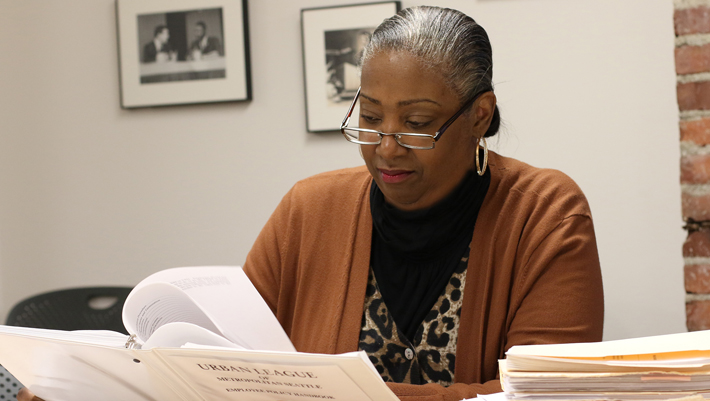
Linda Taylor, Housing Director for the Urban League of Metropolitan Seattle, has seen far too many people fall victim to scammers who prey on people desperate to save their homes.
Pre-conceived notions assume scams target certain demographics such as the elderly, the non-English speaking or the impoverished, but, according to Taylor, no one is immune to victimization.
One Urban League client came seeking help when he discovered his foreclosure process continued even after he had paid a loan modification consultant an upfront fee of 10,000.00 dollars and six months worth of monthly payments only to learn that nothing had been done to help him modify his loan.
“We often see people giving money to loan scammers, and they give them money and they [loan scammers] do nothing, they just collect money,” says Taylor. “There’s a couple of cases that we’ve seen were they collect your money and they’re supposed to be making the payments for you and they don’t. They just collect your money.
How can consumers protect themselves from such predators?
According to industry professionals, the best way to protect yourself from being scammed is to educate yourself about the foreclosure and loan modification process. Taylor says one thing that is important to know is that “it is illegal to collect money to do a loan modification.”
“Loan modification is something you can do yourself, and we teach you here at the Urban League how to do loan modification yourself,” says Taylor. “The main thing people do in, with a loan modification is not fill out the paperwork correctly.”
“Make sure you educate yourself,” added Taylor.
In the case of Lozano, also known as Miriam Shaffer, she targeted the Latino community and others via word of mouth promotion and Spanish language business cards promising a variety of services. The AG complaint alleges that Lozano engaged in unlicensed activity as a mortgage broker, charged illegal advanced fees for third party loan modification services and made deceptive solicitations, violating the state Consumer Protection Act and the Mortgage Broker Practices Act.
“Preying on people facing foreclosure and bankruptcy is not only illegal – it’s immoral,” AG Ferguson said. “I won’t tolerate deceptive practices against Washington consumers.”
Don’t Ignore Notices
Financial consultant Devin Stubblefield, a former housing counselor for Parkview Services a subsidiary of the Washington Home Ownership Resource Center and a former mortgage lending officer in the home ownership industry for over 20 years, says that “most people fall into these traps out of desperation and lack of knowledge.”
According to Stubblefield, most people ignore the information regarding foreclosure that comes through the mail known as Pre-Foreclosure Notices or Pre-Foreclosure Options. These notices provide homeowners the opportunity to fix whatever issues regarding their mortgage they might have before being foreclosed.
“People ignore these notices until they find foreclosure notices on their door,” Stubblefield continued. “Then when they call their lender they may not get all the answers their looking for and all of these add to the stress level and not knowing their rights, people fall to those who prey on these types of clients.”
It is, according to Stubblefield, important that as a consumer and or homeowner that before you find yourself in such a position to know your rights and the rules of the game. Pay attention to the fine print and never should you pay upfront fees.
In order to protect themselves, Stubblefield advises consumers to check the licenses of individuals or companies providing the service. You can do this by looking them up through the Washington State Department of Financial Institutions (DFI). If you’re already engaged with someone with false intentions or something went wrong in your process, you can contact DFI or the Consumer Financial Protection Bureau, a national clearinghouse, that gives customers the opportunity to talk with real live people, submit a complaint and begin the process of investigation.
“The most important thing that you can do to protect yourself is to make sure that whoever you’re dealing with that they are licensed and that they are certified through HUD [U.S. Dept of Housing and Urban Development]”, says Stubblefield.