By Rev. Dorothy S. Boulware, Word In Black
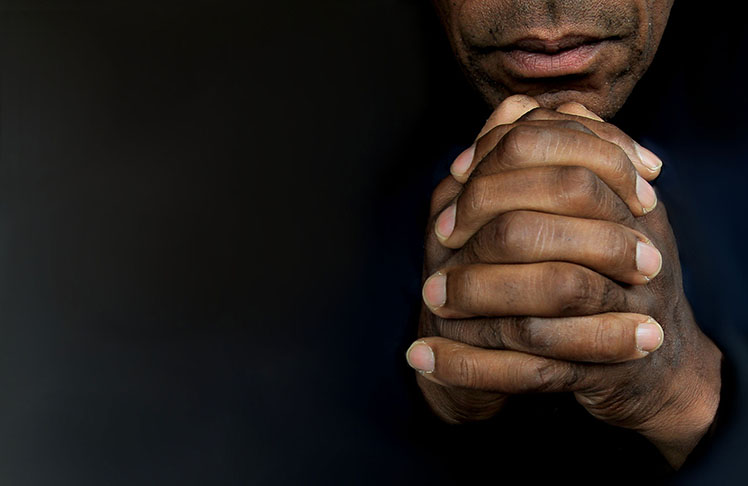
Prayers will rise this week from altars across the country, not only for spiritual renewal, but for physical healing, public understanding, and compassion toward those living with HIV and AIDS.
Congregations will observe the National Week of Prayer for the Healing of AIDS, March 1–8, an annual faith-based campaign sponsored by Balm In Gilead that calls religious communities to confront HIV through prayer, education, and advocacy.
For many faith leaders, the observance represents a bridge between sanctuary and society — a recognition that healing involves both faith and informed action.
A Disproportionate Burden
African Americans continue to bear a disproportionate burden of HIV in the United States, underscoring the urgency behind faith-based awareness efforts.
According to the Centers for Disease Control and Prevention, Black Americans make up about 13% of the U.S. population, but account for more than 40% of people living with HIV nationwide. Public health experts point to disparities in health care access, economic inequality, and persistent stigma as major contributors to infection rates.
Faith leaders say churches remain trusted institutions capable of addressing misinformation while encouraging testing and treatment.
A Movement Born in Harlem
The movement began in 1989 when theologian and public health advocate Pernessa C. Seele launched what was then called the Harlem Week of Prayer for the Healing of AIDS. Working at Harlem Hospital during the height of the epidemic, Seele witnessed patients facing fear and isolation, not only from society, but sometimes from religious communities themselves.
“One of my responsibilities was to work with people living with HIV. I was taken back by the lack of pastors and people in church that were present,” Seele said. “Many church leaders don’t know how to approach that issue, or they believe that homosexuality causes HIV. Since they are against homosexuality, they don’t talk about HIV.”
She later described feeling spiritually compelled to mobilize clergy to respond differently — replacing silence and judgment with prayer, education, and compassion.
What began as a local initiative soon grew into a national movement embraced by multiple denominations and faith traditions. By the early 1990s, the effort expanded into the Black Church National Day of Prayer for the Healing of AIDS and ultimately evolved into a weeklong observance engaging congregations across the United States and internationally.
Faith and Public Health Partnerships
Today, organizers encourage participating houses of worship to integrate prayer services with practical outreach, including health workshops, HIV testing events, and conversations about prevention and care.
“The week reminds us that healing is both spiritual and communal,” organizers note in materials distributed to participating congregations.
Public health officials increasingly recognize faith communities as essential partners in addressing HIV. Churches often serve populations that may distrust traditional health care systems, making clergy influential messengers in reducing stigma and promoting accurate medical information.
Over the years, the observance has mobilized thousands of congregations and helped deliver HIV education to millions, particularly within African American communities historically underserved by public health campaigns.
Confronting Stigma
Organizers say stigma remains one of the most significant barriers to ending the epidemic.
During the early years of AIDS, fear and misunderstanding often led to the exclusion of those living with HIV from faith spaces. The prayer week was designed, in part, to transform that history by encouraging congregations to model acceptance and care.
Events planned during the week include prayer vigils, sermons focused on healing and justice, youth forums, community discussions, and virtual gatherings addressing current developments in HIV prevention and treatment. Many congregations also partner with local health agencies to promote confidential testing opportunities.
The March 3 livestream event includes presentations by Dr. Cary L. Goodman, faith and engagement program consultant; Dr. Cory D. Bradley, assistant professor at the Feinberg School of Medicine, Northwestern University; and Rev. Dr. Mia Hash Sloan, faith project manager at Wake Forest University School of Divinity.
A Global Reach
The initiative has expanded beyond U.S. borders, engaging faith communities in the Caribbean and parts of Africa as leaders address global health disparities affecting people of African descent.
Advocates say the observance remains deeply relevant, even as medical advances have transformed HIV into a manageable chronic condition for many. New infections continue to occur, particularly in communities facing economic and health care inequities.
For participants, the week ultimately reflects a theological conviction that faith communities must respond to human suffering holistically.
As congregations prepare services and outreach events, organizers hope the message resonates beyond church walls — that prayer, education, and compassion together can help move communities closer to healing.