

Active Aging
Making sure our home stays clean and is free of any hazards is even more vital as you age. With a clean home, seniors and retirees can maintain independence, protect physical health, and ensure emotional well-being. A home should be a sanctuary, free of risks that might cause accidents or injuries.
Below, we’ll explore why a hazard-free home is essential and provide tips on how to create a safer living environment.
Independence and Mobility
The ability to move around the house freely and without risk is a big part of independence. Hazards like loose rugs, messy rooms, and cluttered, dimly lit hallways can lead to trips and falls, which are a main cause of injury for older adults.
According to the Centers for Disease Control & Prevention, more than one out of four senior adults experience a fall each year, and there are about one million fall-related hospitalizations. Taking a second to look around the house and make sure it’s free of potential risks can save a lot of hassle.
To reduce risks, you can:
- Use double-sided carpet tape to secure any rugs.
- Put grab bars in the bathrooms and along staircases.
- Consider using only lower shelves so everything is easy to reach.
- Keep highly trafficked rooms like the living room and bedrooms clean and clear of clutter.
Physical Health and Safety
Having a clean and organized living environment is good for both your physical health and for preventing accidents. Dust buildup can make respiratory conditions like asthma much worse, and hazards like mold could affect your allergies or cause other, more serious health issues. Additionally, poorly maintained appliances and electrical systems can become fire hazards.
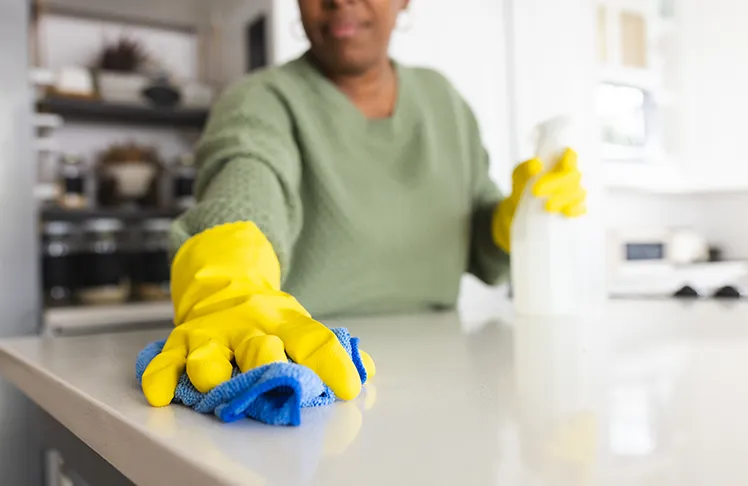
Here are some tips for creating a safe environment:
- Make sure air vents and HVAC systems are cleaned regularly to prevent dust buildup.
- Check smoke detectors and carbon monoxide detectors to ensure they work correctly, in case of an emergency.
- Unplug appliances when you’re not using them to reduce the risk of an electrical fire.
Emotional Well-Being and Peace of Mind
A messy and disorganized home can lead to stress, anxiety, and even depression. Having a sense of control over your living environment can significantly improve your mood and overall mental health. Creating a calm and organized space can help you feel safe and secure, and allow you to move around your home confidently.
To help with decluttering a home:
- Suggest a “one-in, one-out” rule to prevent collecting an excessive amount of items.
- Keep sentimental and essential items, and donate the rest.
- Organize closets and cabinets to make everyday items easily accessible.
How to Start Decluttering
If you or a loved one needs to declutter and clean a home, it can seem pretty daunting. Thankfully, there are a few ways to break the process down to be more manageable.
- Start small: Focus on one room at a time. Begin with commonly used and high-risk areas, like the bathroom or bedroom.
- Ask for help: Don’t be afraid to ask other family members to get involved. If the process seems more complicated, you can hire a professional organizer to help you plan and provide emotional support.
- Write down the plan: Create a checklist to make sure all rooms are cleaned and organized.
- Get rid of unnecessary items: Safely discard expired medications, broken appliances, and any worn-out furniture that could make the home more dangerous.
Overall, a home free of hazards helps maintain a sense of independence, protects physical health, and improves mental well-being. Start small, don’t be afraid to ask for help, and prioritize safety to start making your home the sanctuary it should be.