By Anthony Smith, The Seattle Medium
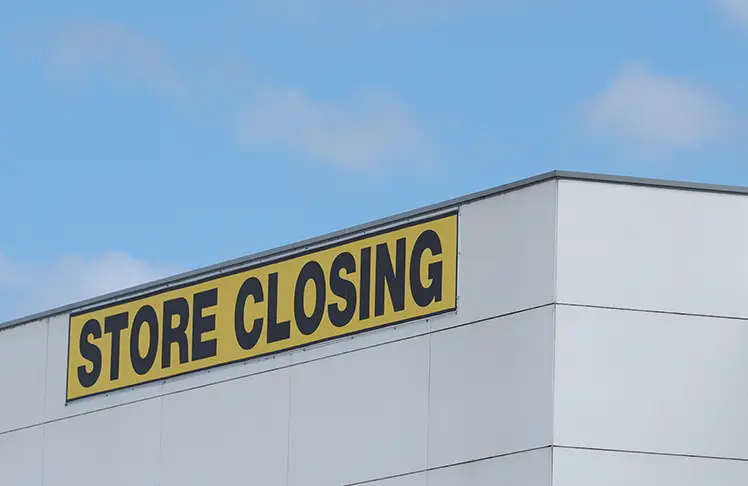
State lawmakers met last week to consider Senate Bill 6147, which would require grocery stores located in designated food deserts to give at least six months’ notice before shutting down. Food deserts, defined by the National Library of Medicine as areas with limited access to affordable and nutritious food, often leave low-income residents with few reliable options for groceries or medications when stores shut down without warning.
Under the bill, grocery establishments would be required to notify city councils, county commissions, local health departments, and the Office of the Attorney General. Prominent public notices would also need to be posted at every entrance and exit to ensure residents are fully informed.
The legislation outlines additional steps stores must take before closing. Along with providing written notice, owners would be expected to engage in good faith with the surrounding community. That includes attending at least one public meeting organized by a city council, the attorney general’s office, a neighborhood association, or a union group, if requested. The goal is to open a dialogue and allow residents a chance to ask questions, propose solutions, or voice concerns.
If a closure still proceeds, stores would be encouraged to assist with mitigation efforts, such as helping residents organize a cooperative grocery or identifying another store willing to move into the neighborhood. Exceptions to the notice rule would apply in cases of natural disasters or other emergencies beyond the store’s control.
Sen. Steve Conway, a Democrat from Tacoma, introduced the proposal following the abrupt September 2025 closure of a Fred Meyer superstore in South Tacoma. That location, situated in a federally recognized food desert, had served as one of the few accessible grocery and pharmacy options for the area.
“This store was the center of my community,” said Conway. “And it was at the center of a district that has been designated as a food desert. This is not a high-income district. This is a low to middle income district where people need their groceries.”
Conway said residents received little warning before the store shuttered its doors. The company cited high rates of theft and declining profits as reasons for the closure, but Conway said the lack of public notice left the community without time to prepare or find alternatives.
“The short notice gave us no opportunity to figure out if there was a way to keep this major store open,” said Conway. “Corporations should not be given the power to close a store without communicating with the community which they are in.”
Tacoma Deputy Mayor Joe Bushnell also testified in support of SB 6147. Bushnell emphasized the toll the closure has taken on community members, especially those with limited means of transportation or mobility.
“This closure has affected employees who work and live in the community, and it has intensified food and pharmacy access issues for our most vulnerable community members,” said Bushnell. “These impacts are especially dire for our senior citizens, folks with disabilities, and those who lack means to travel to an established grocery store outside of their neighborhood.”
Bushnell said the city has worked with local nonprofits and state agencies to identify temporary solutions, such as pop-up food pantries and shuttle services. However, he argued that no stopgap measure can replace the role of a fully functioning neighborhood grocery store.
“This advanced notice of a closure will provide local communities with additional time to develop options to protect family members who rely on reasonable access to those critical grocery products and services,” said Bushnell.
The bill drew opposition from the Washington Food Industry Association. Katie Beeson, representing independent grocers and suppliers, testified that the proposal would place a regulatory burden on already strained store operators.
“Operating a profitable business in Washington State has become increasingly difficult,” said Beeson. “Choosing to close a store location, especially one in an underserved community, is not a decision that a store owner takes lightly. If a store is making the tough decision to close, they have already explored every feasible route to stay open.”
Beeson said the bill would do little to change outcomes in most cases and argued that other legislative options would be more constructive.
“This is simply an unnecessary compliance measure that would be very unlikely to change the outcome of the closure,” said Beeson.
Lawmakers are now awaiting a potential executive hearing to determine whether SB 6147 will advance through committee.