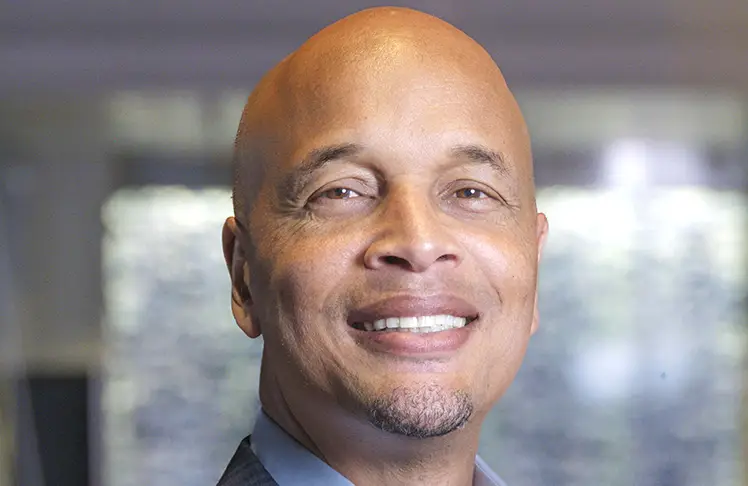
By Dr. Dwane Chappelle, Director, Seattle Office of Education and Early Learning
During this MLK Week in Seattle, a city that prides itself on equity, community, and opportunity, I find myself reflecting on Dr. Martin Luther King Jr.’s legacy through a deeply personal lens.
Just weeks ago, I returned from Ghana with my family. It was our first time setting foot on the African continent. Like many of us educated in Seattle schools, I learned about the transatlantic slave trade through textbooks and classroom discussions. But being in Ghana and standing in those spaces turned history into something lived, felt, and impossible to ignore.
Visiting Cape Coast Castle, Elmina Castle, and the Slave River wasn’t simply about seeing historic landmarks. It was about feeling the weight of stories many of us grew up learning stories that still live in those walls, waters, and communities.
The dungeons revealed the brutal systems built to strip people of their humanity. The Slave River reflected something different: dignity, humanity, and the final moments of connection our ancestors had to their homeland. Standing there was incredibly heavy, painful, and emotional, yet it also filled me with an overwhelming sense of pride. The resilience and survival of my ancestors through unimaginable conditions are the very reasons I can return home to Seattle today to raise my children, serve my community, and walk in opportunity.
One of the most striking moments came just outside Elmina Castle. A short walk from the dungeon walls sits the Elmina Fishing Village, alive with movement, laughter, and work. I watched fishermen prepare their boats at dawn as families continued traditions passed down through generations. Life continued despite the weight of the past.
That image of life, joy, and determination flourishing in the shadow of profound historical trauma followed me home to Seattle.
Here, too, history and resilience live side by side in the Central District, Rainier Valley, South Seattle, and communities across our city where families continue to build, dream, and lead despite displacement, inequity, and historic harm. Seattle, like Elmina, carries both pain and possibility in its streets.
Throughout Ghana, one message was clear: we are all family. That spirit felt deeply familiar to me from my time at Rainier Beach High School, where community, belonging, and collective care were lived values, an experience that mirrors what Seattle schools strive to create for young people.
At an orphanage, I watched young children patiently help one another through play and learning. The room was full of joy, curiosity, and connection. It was a beautiful reminder that potential lives everywhere and grows when we take the time to nurture it.
This is where Dr. King’s legacy feels especially relevant for Seattle today. Dr. King believed education was not just about academic success; it was about liberation, dignity, and justice. My experience in Ghana reinforced a simple truth: education is how we connect the past to the present, and the present to possibility. When young people in Seattle learn the full story, both the pain and resilience they gain will give them the power to move forward with confidence and purpose.
In this moment of honoring Dr. King’s legacy, I am thinking about our responsibility as a city. To ensure every child, regardless of zip code, has access to high-quality education and opportunities that honor who they are and where they come from. This means continuing to invest in programs like Seattle Promise that remove barriers to college access. It means supporting ethnic studies curricula that help students see themselves in what they learn. It means ensuring our community schools remain hubs of wraparound support from mental health services to family engagement so that learning can truly happen.
Standing in Ghana with my family, I felt the weight of history and the promise of the future. That promise lives here in Seattle in our schools, our neighborhoods, and most importantly, in our young people. I see it in my own children as they ask questions about their ancestry and their place in the world. I see it in the students I work with who are hungry to learn, to lead, and to give back.
Honoring Dr. King’s legacy means more than reflection. It means continued investment in education. It means believing in our youth. And it means committing, together, to building a city where every child has the opportunity to learn, to lead, and to thrive.