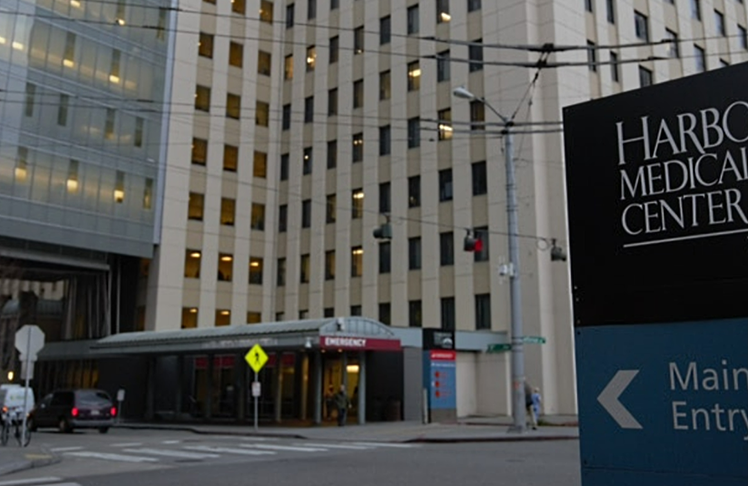
Washington state hospitals are losing millions weekly with financial struggles expected to get worse. Information about this is showing stark numbers. Hospitals statewide suffered a net loss of nearly $929 million in the first three months of 2022, according to the Washington State Hospital Association.
The Washington State Hospital Association (WSHA) gave an alarming message last Thursday while sharing the results of a survey that represents 97% of inpatient, acute beds across the state. Hospitals statewide suffered a net loss of nearly $929 million in the first three months of 2022. As operating costs grew by 11%, operating revenue only increased by 5%.
Cuts are now being made as a result of the realities. Beds and services are being paired back. One of the main causes of financial losses is the high number of high-cost patients staying at hospitals long term when they need to be discharged to long-term care facilities for continued care. For EvergreenHealth in Kirkland, the weekly financial loss for long-term patients is $1.3 million a week. Currently, the hospital has more than 46 patients who need long-term acute care, according to Mary Shepler, chief nursing officer at EvergreenHealth.
COVID money has dried up. Any help hospitals received from the federal government’s COVID-19 relief funds is now gone. Other aspects driving up costs for hospitals include Medicaid reimbursement, high inflation and labor shortages, according to the WSHA. Also, Medicaid reimbursement rate to hospitals has not increased in 20 years.
All 52 rural hospitals and health systems in Washington state reported negative margins and accounted for 99% of the losses statewide. Experts at the WSHA believe some hospitals could be looking at bankruptcy or closure because of the financial challenges.