By Kiantha L. Duncan
The part in your head has to be straight. It has to be just right, and precise, although all of us have experienced days where that part was just slightly wrong-sahdi-dah as Grandma Anna called it
The true art is in the braiding. Taking three pieces of hair, skillfully crossing them one over another, each section protecting the other two. There are many technical guidelines for hair braiding; one rule being that each of the three sections of hair must have the same amount of hair as the other two sections.
A skilled braider is aware of the importance of this technique and is adjusting the amount of hair in each section while plating the corn roll. This is key for the balance and cohesiveness of the finished braid.
Another technical guideline for hair braiding is to keep each turn of the braid tight so that the pattern of the braid is neat, uniform, and holds up. This step is important for the maintenance of the braid. Braids are typically protective styles meant to last for a while. Making sure that the braids are durable is essential.
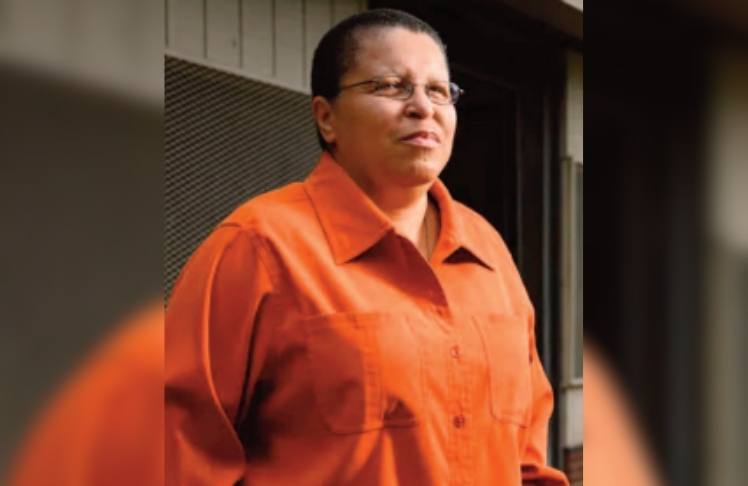
Sandy Williams was a master braider, using the technical guidelines of hair braiding to build a strong, healthy, protected Black community.
As the publisher of the Black Lens, the only Black news publication for Eastern Washington, Sandy Williams understood that as part of the braid, unbiased information and both local and national knowledge were essential to Black health and wellness. Her coverage of media related to Black issues became a staple in homes across the Inland Northwest.
Sandy Williams’ ability to braid community together in a tightly knit way through hosting events, such as community social outings, Covid-19 response clinics, business resource fairs, and many other community-led activities was legendary.
It would be fair to say that Sandy Williams understood the assignment, putting the community together in a way that was lasting and would stand the test of time.
Sandy Williams reached youth of color and LGBTQ+ youth through her work with Odyssey Youth Center, Spokane Public Schools, and various higher education institutions in Eastern Washington. Sandy understood the importance of nurturing the voices of young people whom she hoped would one day become leaders. For Sandy Williams, youth were always an essential part of the braid.
Sandy’s legacy lives on as her death ignited a spark among new community braiders.
People like Sandy, want nothing more than to bring the Black community together in ways in which they are cared for and protected. While the hands of the braider may have changed, the techniques of a master braider live on as new hands continue to skillfully cross one section over another, each protecting the other two.
Kiantha L. Duncan is an executive leadership and diversity, equity, inclusion, and belonging consultant. She is also a distinguished lecturer, speaker, filmmaker, author, and soon-to-be syndicated advice columnist.