
Active Aging Presented by Public Health Seattle-King County
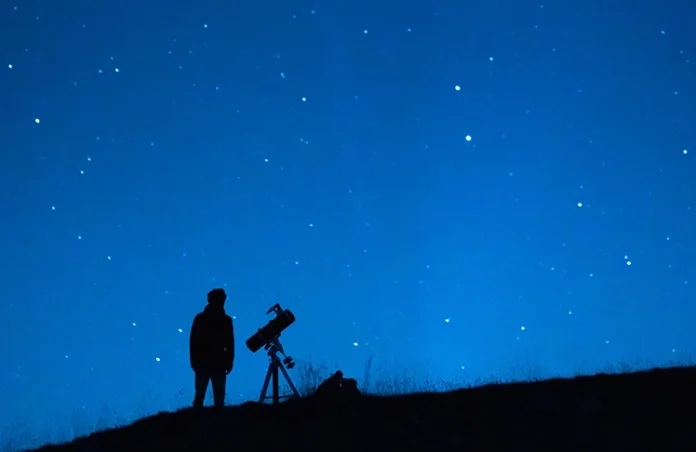
Late summer nights — when the air is still warm, but the sun begins to set a bit earlier — are the perfect time to head outside for stargazing. This hobby is excellent for individuals of any age, but seniors may find its health benefits and easy start-up steps especially appealing.
The Health Benefits of Stargazing
Stargazing is one of the best ways to introduce overall wellness to your routine.
Social Connections
Seniors need social connections to stay healthy in their golden years, and sharing an activity is a great way to build relationships. Stargazing not only connects you with others who share that passion, but it encourages you to reflect on your connection with nature, the planet, and our human history.
Mental Health
Research shows that being outside is exceptionally beneficial for our mental health, and stargazing is no different! The fresh air and natural sounds will help lower your stress and anxiety. You may also notice an improvement in sleep as you replace pre-bed screentime with the darker outdoors.
Cognitive Engagement
Learning new things is one of the best ways for seniors to stay sharp! Even if you don’t become an expert, the cognitive exercise you’ll get from observing the night sky will help you stay healthy and alert.
Stargazing Basics for Beginners
Whether you’ve learned some astronomy before or are a newcomer to the science, it’s easy to get started with a stargazing routine from your back porch.
1. Spend Time Outside
The best way to start stargazing? Head outside at night. While you can learn a lot from books and videos (like Astronomy for Older Eyes), interacting with your local night sky is the best education. Get comfortable locating common planets, constellations, and stars and predicting their positions. Give yourself time to enjoy this alternative view of the world.
2. Download Apps and Buy Charts
Anyone can look up at the stars and enjoy the experience, no training necessary! To dig a little deeper, though, use apps or physical star charts to begin learning what your local night sky has to offer. The EarthSky Tonight webpage provides tips for what stargazers in the United States can look out for each night in an easy-to-use format. Sky & Telescope has a getting started guide that comes with six star charts and an interactive sky chart online. You can find the best stargazing apps in this list from Space.com.
3. Record Your Observations
Observing the night sky can seem monotonous — until you look back to see what changes happened right before your eyes! Keeping good records of your observations is the best way to track constellations, planetary positions, and other interesting objects. Take notes, draw pictures, or even use the voice memo app on your phone to record real-time thoughts.
4. Find Darker Skies
Stargazing is a great hobby because you can do it from your backyard. For a better view, however, you’ll eventually want to find dark sky areas without light pollution. This dark sky map has locations that meet the criteria for enhanced nighttime viewing. Even if you only get to darker locations once a month, it’s worth the extra effort.
5. Invest in Equipment
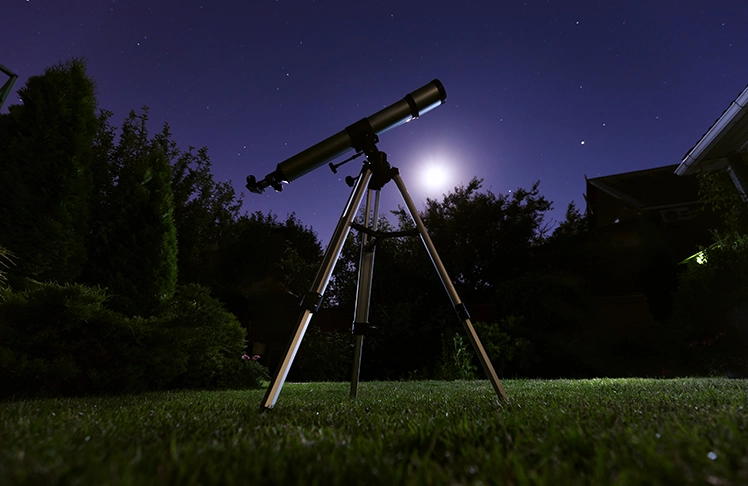
Most experts recommend waiting until you’re a more seasoned stargazer to purchase a telescope. Why? Because so many interesting things are visible with the naked eye or through a good pair of binoculars. You can enjoy most of the benefits of stargazing without spending a fortune on equipment. When you’re ready, this telescope guide will help you choose the right one.
Community Opportunities for Stargazing
Stargazing is a relaxing solo activity, but sharing the hobby with friends and colleagues can add depth to this new pursuit.
Local Astronomy Clubs
Most cities have astronomy clubs full of amateur and professional enthusiasts! If there isn’t a local group, consider joining virtual clubs that meet online all over the world. You can choose a group in a major city close to you so that your view of the night sky is similar.
University Programs
If you have a university in your area, check into the astronomy department. Graduate students run seminars, observatory nights, and demonstrations year-round. Most of these events are free or low-cost, and the presenters are passionate about sharing their local knowledge!
Neighborhood Enthusiasts
One of the best ways to dive deeper into your stargazing hobby is to get friends and community members involved. If you can’t find resources in your area, start a club yourself! Offer a weekly evening walking group and invite participants to stay after sunset for a stargazing party.
If you’re concerned about nighttime safety, start an astronomy group and hold daytime meetings to learn about your night sky and study online charts. When it’s time to head outside, go to an organized community event or visit a state or national park where rangers are available to help keep your group safe. You can also plan times to visit museums and observatories as a group.
Active Aging is presented by Public Health- Seattle & King County. Public Health- Seattle & King County recognizes the important and untold stories of innovation, service, and sacrifice by the Black community and supports efforts to improve equity and achieve social justice. We want everyone to get health insurance and access health care. Visit www.kingcounty.gov/health for health insurance, flu and COVID-19 testing locations.