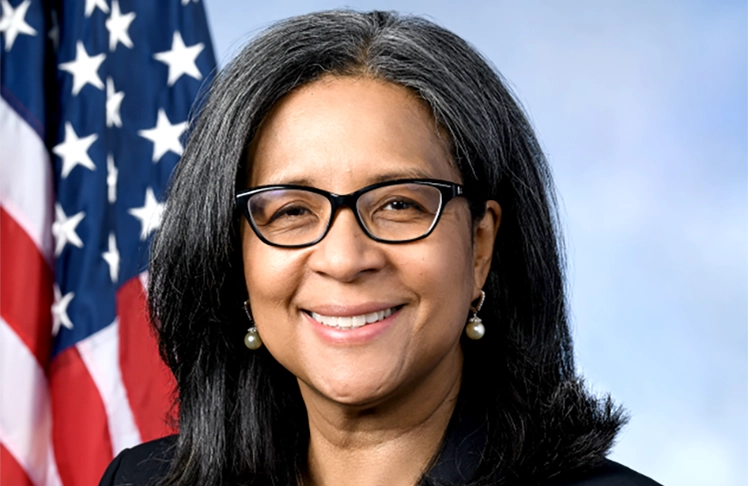
Congresswoman Marilyn Strickland has secured $8,165,000 in federal funding for 12 community projects across Washington’s South Sound, supporting initiatives ranging from pedestrian and traffic safety to clean water access, emergency preparedness, economic revitalization, and agricultural infrastructure.
“Despite the challenges we face with the Republican majority in Congress, I am pleased to secure funding for these essential community projects in our district,” said Strickland. “They will boost the local economy, and make the South Sound a cleaner, safer, and more affordable place to live and work.”
The twelve projects are funded through the fiscal year 2026 Community Project Funding process and reflect a broad investment in regional infrastructure and quality of life.
In Edgewood, $12 million was requested to complete Phase III of the Interurban Trail. The awarded funds will support construction of a one-mile segment to close one of the final trail gaps between the West Valley Highway and 114th Avenue East, enhancing connectivity and recreational access.
Fircrest will receive funding for sidewalk and traffic safety improvements along Alameda Avenue from Emerson Street to Rosewood Lane. The project includes stormwater mitigation and pedestrian infrastructure, aiming to expand safe, active transportation for residents.
Olympia’s Armory Redevelopment Project was awarded funding to support installation of an elevator during the first phase of construction. The project will address life safety, accessibility, and structural improvements to meet building codes and expand public use of the historic facility.
Puyallup’s Meeker Street Improvement Project will receive $850,000 for pedestrian safety enhancements between Meridian and 3rd Street Southeast. Planned upgrades include new sidewalks, ADA-compliant features, high-visibility crosswalks, curbs, and traffic calming designs to improve safety and mobility.
In Roy, $700,000 will go toward expanding clean drinking water access. The city plans to build a new water tower, reservoir, filtration system, and re-pipe sections of its water system. The project will also involve relocating a water well to better serve the community.
The City of Tacoma will use $2.2 million in federal funding to replace two aging fire engines at Fire Station 11. The new pumper engines will improve response to wildland fires, enhance operational efficiency, and increase firefighter safety.
Tenino has been awarded $2.25 million for regional meat processing infrastructure. The project will create a localized supply chain for livestock producers in central and south Puget Sound. By increasing processing capacity, the effort aims to benefit up to 100 ranchers, expand food access, and strengthen the region’s agricultural resilience.
University Place will receive $300,000 to improve access and traffic flow in the Chambers Bay area. The project is expected to enhance regional mobility and safety for local residents and visitors.
The City of Yelm will use $2 million for the design and engineering of its Downtown Business Revitalization Strategy. Improvements will include sidewalk construction, street lighting, pedestrian crossings, right-of-way acquisition, and traffic calming measures to support economic development in Yelm’s historic core.
Pierce Transit has been awarded $1,189,020 to improve accessibility system-wide. The project includes installation of braille and tactile signage to better serve riders who are blind, deaf-blind, or low vision. The improvements are expected to expand mobility and increase confidence and independence for ADA riders.
The Tacoma Housing Authority’s Salishan-Hillside Phase I project was awarded $5 million to modernize essential housing infrastructure. The rehabilitation will update HVAC, electrical, and plumbing systems to improve energy efficiency and safety. The project also includes interior and exterior renovations to extend the life of the housing and improve aesthetics for residents.
Thurston County Fairgrounds will receive $4 million to develop an Emergency Evacuation and Agricultural Center. The facility will enhance disaster preparedness for livestock producers and improve rural emergency response capacity across the region.
In a political climate marked by threats to federal grant programs and proposed funding cuts, Strickland emphasized the importance of preserving community-level investments. The Trump Administration had previously proposed dramatic reductions in federal support for local initiatives. However, Strickland and House Democrats successfully fought to maintain and direct funding to critical projects that support local economies, create jobs, and reduce cost burdens for families.