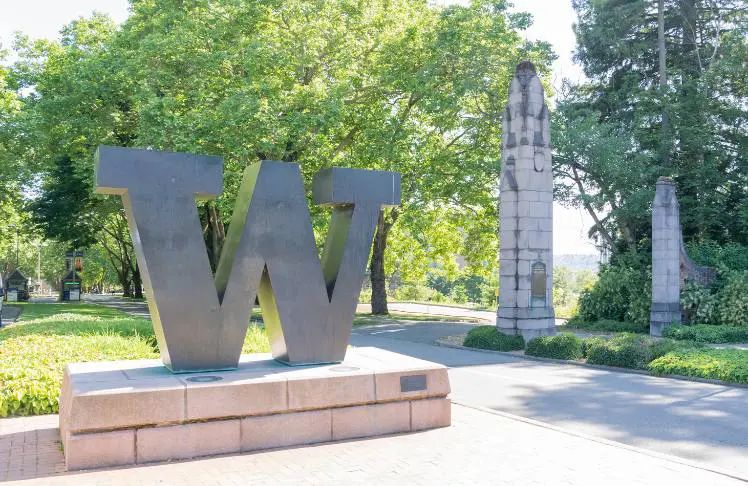
The Terracon Foundation recently announced a generous $5,000 grant to the Geotechnical Student Support Fund within the Civil and Environmental Engineering program at the University of Washington. This funding aims to both attract students to the program and alleviate some of the financial burdens associated with completing their degrees.
David Baska, Ph.D., P.E., senior principal and vice president in Terracon’s West Coast Division, highlighted the significance of the grant in fostering diversity and providing students with opportunities to explore various career paths.
“This grant is helpful in attracting and retaining outstanding students from diverse backgrounds and for providing opportunities for students to broaden their career pathways,” said Baska. “It also can enrich a student’s educational experience as they work with faculty in the geotechnical engineering program on a range of potential research projects, thus advancing the field in important and diverse areas.”
The University of Washington, located in Seattle, is a renowned public institution with three campuses. With an annual enrollment of over 60,000 undergraduate and graduate students, the university offers a wide range of graduate-level programs in STEM fields and related subjects. These include research-focused Ph.D. programs, professional master’s degree programs, evening degrees, and certificate programs, providing students with diverse avenues for academic and professional growth.
The Terracon Foundation actively encourages its employees to submit grant requests annually for organizations dedicated to education, as well as initiatives focused on the built and natural environment. Over the years, the foundation has demonstrated its commitment to supporting communities and educational institutions, having granted nearly $4 million to various organizations, universities, dependents of employees, and disaster relief efforts.
Through partnerships like this one with the University of Washington’s Geotechnical Student Support Fund, the Terracon Foundation continues to make a meaningful impact by investing in the future of education and the advancement of key fields such as geotechnical engineering.