Cruise, a self-driving technology company backed by General Motors (GM), has taken a significant step forward in its quest to develop and deploy autonomous vehicles by launching testing in Seattle, Washington. Recognized for its hilly terrain and unpredictable weather conditions, Seattle provides the perfect real-world testing ground for Cruise’s self-driving cars. This move reflects Cruise’s commitment to enhancing its technology’s adaptability, safety, and reliability under diverse and challenging environments.
This may bring fear to those that are on the road. However, the test cars will have humans in them. Cruise is launching a small, piloted fleet of vehicles to collect data throughout the city, including parts of downtown, Capitol Hill, Queen Anne, Fremont, the University District, and West Seattle.
Seattle’s unique topography offers a variety of challenges for self-driving vehicles that are crucial for refining their capabilities. The city’s steep hills, sharp turns, and varying road conditions require autonomous systems to exhibit advanced perception, decision-making, and control abilities. San Francisco has had some issues with self-driving cars. By operating in such an environment, Cruise aims to fine-tune its self-driving technology to handle complex urban scenarios more effectively. Negotiating these terrains also necessitates a focus on pedestrian safety and accurate navigation, encouraging the development of smarter and more responsive AI systems.
Seattle’s reputation for its wet and rainy climate adds another layer of complexity to Cruise’s testing endeavors. Self-driving vehicles need to be prepared for adverse weather conditions to ensure safety and performance. Developing sensors and algorithms that can operate optimally in wet conditions is vital for creating a reliable autonomous driving system. Seattle’s rainy weather provides Cruise with a chance to gather data on how their sensors handle rain, ensure proper visibility, and maintain accurate mapping and navigation even in challenging
Cruise’s collaboration with local authorities and regulators is an essential aspect of its testing program in Seattle. Open communication and cooperation with the city’s officials are crucial for ensuring the safe and lawful operation of self-driving vehicles on public roads. By working together, Cruise aims to align its testing program with local regulations and contribute to the broader discussion on autonomous vehicle deployment and policy-making.
The testing of self-driving cars in Seattle aligns with Cruise’s commitment to safety and its long-term goal of deploying autonomous vehicles in various cities. By exposing its technology to a range of real-world challenges, Cruise can identify potential shortcomings and work to address them. This iterative process ultimately leads to safer and more reliable self-driving technology, helping to build public trust in autonomous vehicles as a viable mode of transportation.
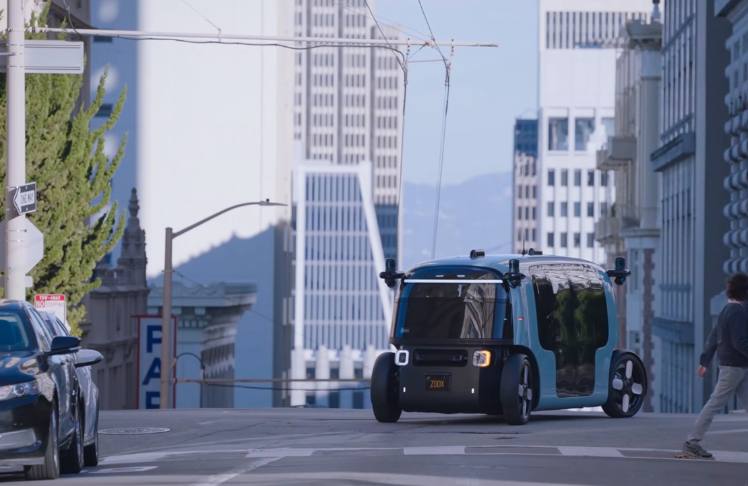
Cruise joins other self-driving vehicle companies currently testing in Seattle, including Zoox and NVIDIA, both of which received permits from the Seattle Department of Transportation under its Autonomous Vehicle Testing Permit program. By navigating the city’s hilly terrain and wet conditions, Cruise aims to enhance its technology’s capabilities, ensuring safer and more reliable self-driving vehicles for the future.