

Finances FYI
Travel is good for the soul, and vacationing with friends and family is a wonderful way to cement strong social connections. Couples and families can also use vacation time to reconnect, learn about each other more deeply, and make lifelong memories.
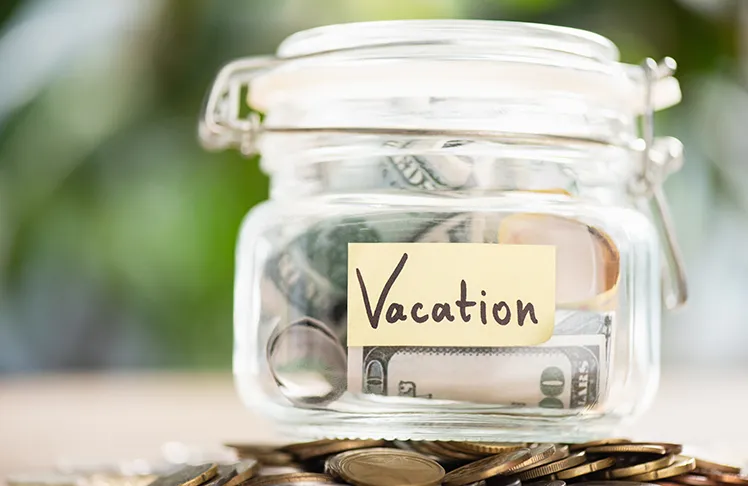
But while the actual vacation part is fun, the paying part is never easy. Fortunately, by planning early, you can use several techniques to make saving for a trip less arduous and more manageable.
Use Automatic Deposits
Building new habits (like saving for a trip) can come up against several barriers. One of the biggest is the mental hurdle you face every time you need to enact that new habit.
In a world where most people are already overwhelmed, it can be easy to skip the task “just once,” and then discover that you’ve actually skipped it a dozen times this month. Automating a deposit into your savings account from each paycheck can take away this significant hurdle. Financial psychologists confirm that automating your savings is one of the best ways to reach financial goals.
To make things even easier, use an online savings platform that offers individual accounts or goal tracking and a high-yield return; this list offers a good starting point for your research. Because you won’t be withdrawing money frequently, you don’t need a local banking office for convenience.
Take Advantage of Credit Card Rewards
These days, almost every credit card offers some kind of rewards program. Whether it’s miles, cash back, or discounts on dining, each card has a slightly different incentive structure. If you choose wisely, you can significantly reduce your trip’s overall cost by taking advantage of these rewards.
The earlier you plan your specific trip, the more luck you’ll have cashing in on rewards. Research the most popular cards and their reward systems, filtering out for your particular needs. Airline cards are popular for travelers who want broad options for rewards, while travelers with an affinity for particular hotels may find a different card more appealing. You can find several sites that break down the cards, rewards, costs, and best way to rack up those points; here is a great one to start with!
Make Small, Specific Goals
The idea of going on a vacation sounds plenty motivating, but research shows that we have more success working towards small, specific, measurable goals.
Instead of saving for the entire trip at once, break down the budget and work on one part at a time. This technique also ensures that you have budgeted for every single part of the trip and don’t end up with surprise expenses that you can’t cover. Here are some categories you might work toward:
- Airfare
- Lodging
- Individual meals
- Specific excursions
- Souvenirs
- Travel gear
Shop Around for Packages
Sometimes, retailers like Costco or other large stores will offer package deals for vacations. If the savings are substantial, then purchasing a membership is worth it! Look for these packages early enough that you can plan your budget around the lower price and any other fees associated with the deal.
Make it Fun!
Many people think that because they’re saving for an exciting trip, that should be motivation enough. Unfortunately, as humans, we’re wired to need short-term rewards as well as a long-term goal.
Celebrating the small wins is a crucial part of success! Because you don’t want to spend money on these small celebrations (that would defeat the point!), think about ways you and your family can celebrate different milestones. Here are some (basically) free ideas:
- Draw a map of your destination and color in sections for every specific amount you save; hang it on the wall for everyone to see the progress.
- Set up challenges to pair learning goals with savings goals. For example, if you’re traveling to a country where they speak another language, see how many vocabulary words the family can learn in the target language before you save the first ¼ of the funds.
- For every certain amount saved, have a movie night that features a film set in your destination! Pair it with themed food for even more fun.
By using these techniques, you can make the long, arduous process of saving for a vacation much less painful! And as a bonus, when you finally get to take that trip, you won’t feel guilty for overspending or veering away from your savings plan.
Finances FYI is presented by JPMorgan Chase. JPMorgan Chase is making a $30 billion commitment over the next five years to address some of the largest drivers of the racial wealth divide.