By Anthony Smith, The Seattle Medium
In an effort to combat the statewide shortage of affordable housing, state Rep. Strom Peterson, D-Edmonds, has proposed a bill that would prevent cities and counties from prohibiting Shelters, Transitional, Emergency and Permanent Supportive (STEP) housing in areas not zoned for industrial use.
Under this bill, HB 2266, cities and counties within an urban growth area that allow hotels or residential dwelling units would not be able to ban STEP housing in those zones. An exception would apply if a city has adopted an ordinance allowing it to prohibit emergency housing in a majority of zones within one mile of transit.
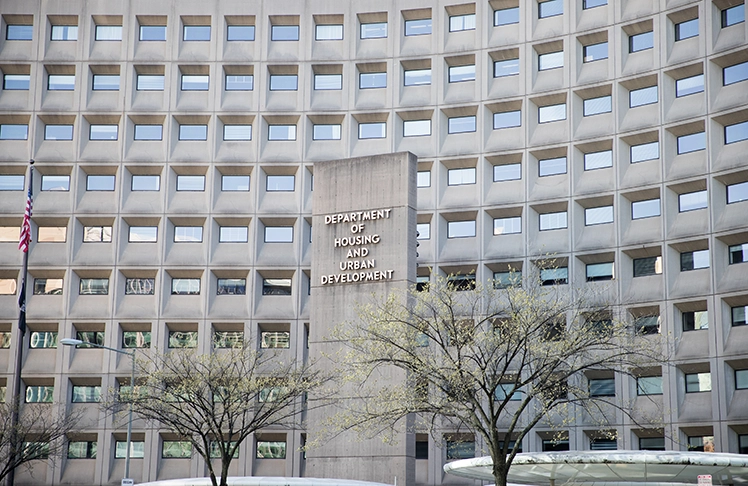
The measure comes as homelessness continues to rise across Washington. According to the U.S. Department of Housing and Urban Development, Washington ranks third in the nation with more than 31,000 people experiencing homelessness. More than half are unsheltered.
“We know that there’s a housing crisis in Washington, and it’s a housing crisis that goes across all economic ladders,” Peterson said. “This bill will set a standard across the state, so developers know what to deal with when they’re trying to cite some of this housing in all of our communities.”
Supporters say inconsistent local regulations have slowed efforts to expand shelter and supportive housing options across the state.
Sarah Dickmeyer, external affairs manager for Plymouth Housing — which has provided permanent supportive housing for 45 years — spoke in favor of the bill during its initial public hearing, saying the organization has encountered barriers from cities that delay, downsize or halt efforts to provide permanent supportive housing.
“You are all aware that we do not have enough affordable housing for the people who need it, and we are not building fast enough,” Dickmeyer said. “People are falling into homelessness every day and we are not scaling shelter fast enough. These local barriers delay expansions of capacity to meet that need and threaten the right of people to belong.”
“They push people to the margins and set different standards for people who are seen as different. This is not fair or right, or sometimes even legal. We need the state to step in and set a standard,” added Dickmeyer.
Others told lawmakers the bill is particularly important for people with disabilities who rely on supportive housing programs.
Jenn Henderson, a staff attorney for Disability Rights Washington, said the bill is especially important for people with disabilities who rely on STEP housing.
“This bill matters because people with disabilities rely on STEP housing to survive,” said Henderson. “Emergency shelters, transitional housing, emergency housing and permanent supportive housing are a vital resource for individuals with mental health disabilities, substance use and intellectual and developmental disabilities.”
She noted that without stable housing options, many people with disabilities cycle through arrest, incarceration and involuntary hospitalization.
“For many people disability is not incidental to their housing status, its often a prerequisite for accessing the only housing option available to them.” she said.
During a Senate hearing, Peterson discussed several amendments made after conversations with legislators and city officials.
“We had five amendments, all of them unanimously supported by both sides of the aisle and really moved in our work with the cities and the counties understand some of their concerns.” said Peterson.
Among the revisions is a provision ensuring that existing operating agreements would remain in place, preventing cities from having to renegotiate current arrangements. Cities that significantly contribute to a facility would also be allowed to participate in operating negotiations.
The bill would also require operators to provide updates to cities demonstrating sufficient progress on facilities. Peterson expressed appreciation for the collaboration between city leaders and lawmakers.
“We have deep appreciation for working with the cities. We listened. They might have more ideas, but I think we really moved a lot in their direction.”
HB 2266 passed out of Senate executive session and will next be referred either to the Ways and Means Committee or the Rules Committee.