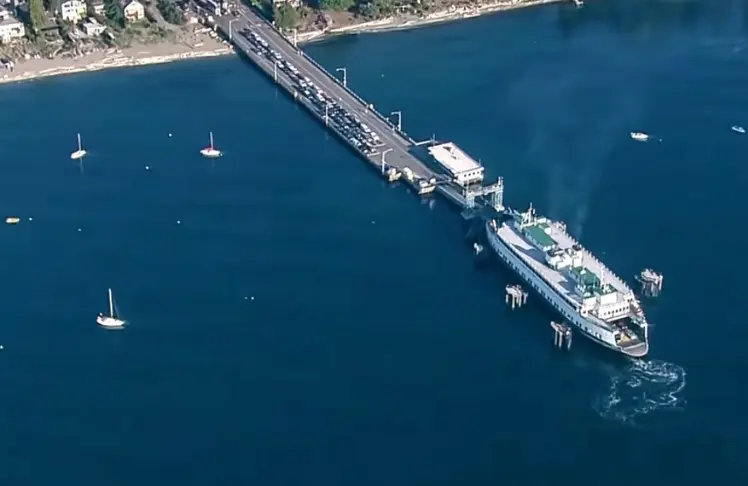
The Washington State Ferry system (WSF) is currently facing severe turmoil, prompting 38 elected leaders to send a letter to Congress urgently requesting funding “at the highest level possible” to aid WSF in its operations. The agency is currently operating with just over half the number of boats it needs to effectively serve the region.
Despite receiving over $140 million in federal grants over the past two years, WSF requires additional funding and time to address staffing and vessel availability crises. In an effort to restore full service as quickly as possible, lawmakers from seven counties, eight towns, and two port commissions are advocating for additional funds for the 2025 fiscal year.
Presently, WSF is operating with 15 boats, while it requires 26 to provide full service. However, the agency has revealed that it does not plan to restore full service until 2028, according to a service contingency plan released in early January. This timeline aligns with the expected readiness of the first new ferry vessels currently under construction.
While WSF has a total of 21 boats available, it anticipates that some will be out of commission at any given time due to planned or unplanned maintenance. To compensate for this, the agency is currently operating at a reduced level of service using 15 boats, with the goal of maintaining 95% of planned sailings.
The impact of canceled sailings and the limited WSF schedule has been significant, particularly for residents of islands and the Olympic Peninsula. Many rely on the ferry system for commuting, accessing medical appointments, and visiting loved ones.
City of Poulsbo Mayor Rebecca Erickson emphasized the critical role of the ferry system for communities like hers, stating, “Communities like mine depend on ferries to get to work, make it to medical appointments, and see their loved ones. Continued federal partnership and investment is critical to getting our ferry system back to full service.”
In their letter to Congress, lawmakers specifically requested funding for three programs: the Passenger Ferry Grant Program, the Ferry Service for Rural Communities Program, and the Electric or Low-Emitting Ferry Pilot Program. These programs aim to support and enhance ferry services across the state.