By Kiara Doyal, Seattle Medium
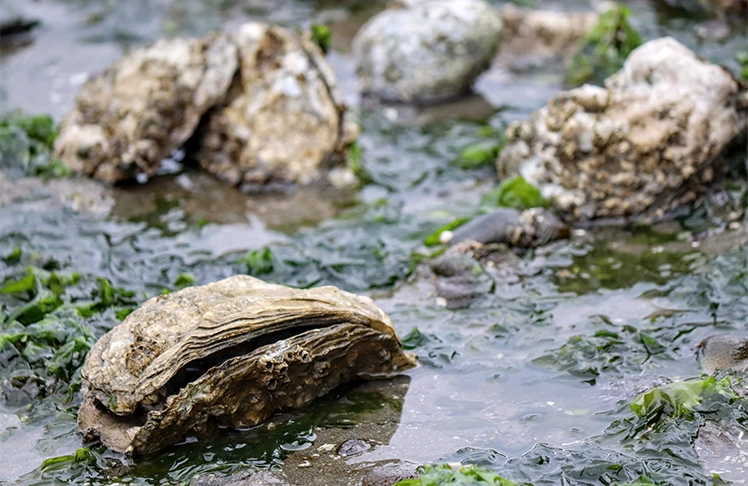
As part of a broader Paralytic Shellfish Poison (PSP) occurrence along the Oregon coast, where several recreational mussel harvesters fell ill over Memorial Day weekend, the Washington State Department of Health (DOH) is now closely monitoring high levels of PSP in shellfish along Washington’s Pacific Coast. Due to the extreme risk of PSP, all recreational shellfish harvests are prohibited in Grays Harbor and Willapa Bay.
PSP is a naturally occurring marine biotoxin produced by certain species of microscopic algae. Shellfish ingest these algae and can retain the toxin, posing significant health risks to consumers. Unfortunately, cooking or freezing does not eliminate marine biotoxins, but commercially harvested shellfish undergo rigorous toxin testing and are deemed safe for consumption.
Symptoms of PSP can appear anywhere from minutes to hours after consumption, beginning with tingling lips and tongue, progressing to the hands and feet, and potentially leading to difficulty breathing and death. Individuals experiencing these symptoms should seek medical attention immediately.
In response to elevated marine biotoxin levels, all commercial shellfish harvesting in Willapa Bay is also closed. Specific shellfish lots harvested from Willapa Bay between May 26 and May 30 have been recalled to mitigate the risk of PSP illness. While there have been no reported illnesses in Washington associated with shellfish harvesting, the DOH is actively conducting PSP testing in collaboration with industry stakeholders.
“We are working around the clock to notify and collaborate with the affected shellfish growers in Willapa Bay,” says Dani Toepelt, Shellfish Licensing and Certification Manager. “The industry is doing everything they can to get through this PSP event and protect shellfish consumers from getting sick.”
To prevent the spread of PSP, additional beach closures have been enacted. The DOH emphasizes the seasonal shellfish closures issued by the Washington Department of Fish & Wildlife and the Olympic National Park for all Washington coastal beaches. Biotoxin closure signs are prominently displayed at public beaches throughout Pacific and Grays Harbor Counties.
For current closure information, residents and visitors can refer to the Washington Shellfish Safety Map or call the biotoxin/red tide hotline at 1-800-562-5632. Additional information regarding marine biotoxins and related illnesses is available on the DOH’s website at https://doh.wa.gov/community-and-environment/shellfish/recreational-shellfish/illnesses/biotoxins.
Further details regarding seasonal closures and regulations for Washington beaches are accessible via the Washington Fishing Regulations portal at https://www.eregulations.com/washington/fishing/shellfish-seaweed-species-rules. Information about harvest seasons within Olympic National Park can be found on the U.S. National Park Service website at https://www.nps.gov/olym/planyourvisit/fishing.
DOH is continuing to work diligently to monitor PSP levels and protect public health, ensuring that both recreational and commercial shellfish consumers are informed and safe during this period of heightened risk.