Wrongful Placement on List Caused Man’s Death
The family of a 45-year-old man who died from a heart attack is suing Seattle. Their lawyer said his treatment by medics was delayed due to a mistake that had him listed as a danger to first responders. A wrongful-death claim against the city of Seattle for $10 million has been filed. The claim was filed Thursday on behalf of the children of William Yurek – his 23-year-old daughter and his ex-wife, the guardian of Yurek’s three younger children, ages 5, 8 and 13.
Last year on Nov. 2, Yurek’s 13-year-old son called emergency and told 911 that his father was having chest pains and difficulty breathing. Medics arrived promptly in six minutes but were ordered to wait for a police escort. The lawsuit states that Yurek was on a list “for hostility to first responders.”
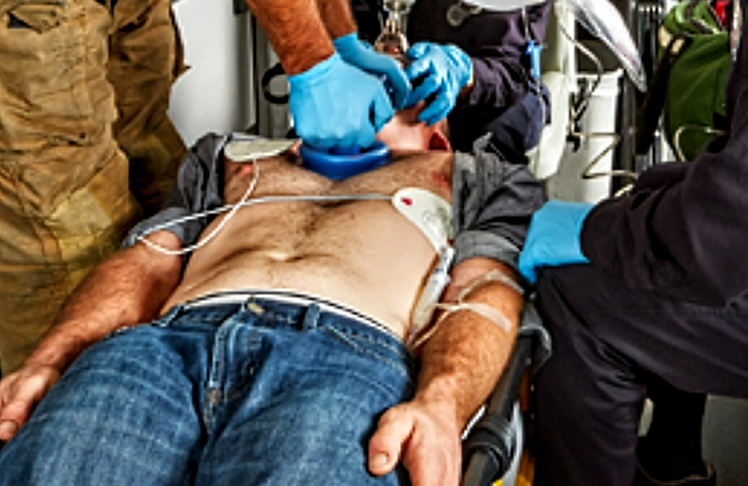
Yurek’s condition deteriorated as his son called 911 again. Medics reportedly ignored the order to wait for police and applied a defibrillator and began CPR. Yurek died on the scene.
In the wrongful-death claim the lawyer for the family says he died from a heart attack because his treatment by medics was delayed due to a mistake that had him listed as a danger to first responders.
It is now being speculated that it was Yurek’s address and not his name that caused the issue. The list is said to be out of date and the caution for first responders was related to a previous tenant, according to the claim.
“The city was negligent,” said attorney Mark Lindquist. “When you’re keeping a list that people’s lives are depending on, it needs to be accurate and up to date. This was not. Seattle screwed up.”