By Kiara Doyal
The Seattle Medium
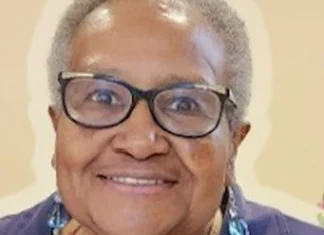
For Leoma James-Sarr, buying her first home was about more than becoming a homeowner. It meant creating stability for three generations of her family, building generational wealth and achieving something that had once seemed out of reach for her.
With multiple generations of her family living under one roof, James-Sarr, who shares a home with her husband, while raising their newborn child and taking care of her parents, was looking for a place that could provide comfort and stability for her entire family. Her journey highlights the unique challenges of finding housing that can accommodate multigenerational households and the determination it takes to create stability while caring for loved ones.
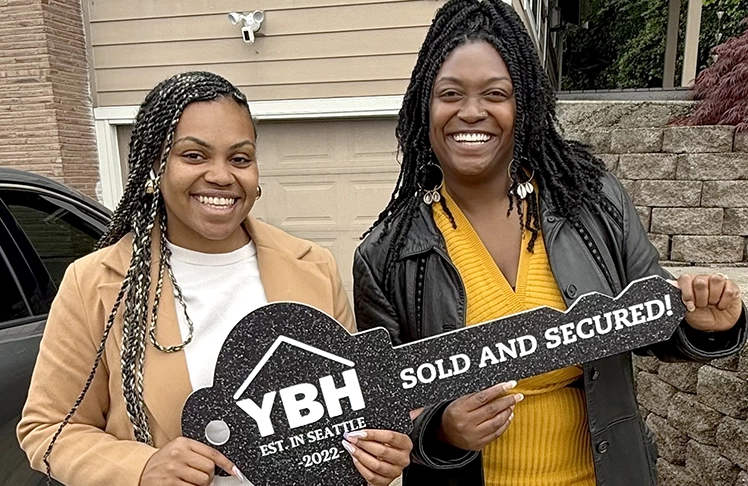
Her experience reflects the mission of Young Black Homeowners, founded by Anzhane Slaughter to help Black families overcome barriers to homeownership and build generational wealth.
While renting in Seattle, James-Sarr began questioning whether continuing to pay rent made financial sense when a mortgage might cost the same amount or less. But concerns about savings, credit and whether homeownership was even possible made the decision difficult.
“Oh my gosh, there were so many challenges. Not having a lot of money to put down, worries about credit, even though it wasn’t such a huge issue for me,” James-Sarr said. “But I think one of the biggest things that I struggled with was just feeling like homeownership was even something possible for me, and not knowing a lot of people around me that purchased homes.”
Slaughter said James-Sarr’s story stands out because of the responsibilities she carries for her family and her determination to create a more secure future.
“She is one of those people who carries the weight of a lot of her family members on her shoulders,” said Slaughter. “Like most of our community, there is typically one person in the family that you know excels well in school and in their career, and then they’re charged with kind of picking up the slack for the rest of the family.”
Slaughter said the home James-Sarr purchased now accommodates three generations of her family, reflecting a growing interest in multigenerational living as families seek ways to manage housing costs and support one another.
“We ended up securing a home for her family, which now holds three generations. Congratulations to their newest baby, but these are the times that we’re headed into. We’re headed into a time of multigenerational living. It’s honestly the smart thing that a lot of cultures have been doing for generations just to cut costs and burdens on young and elderly family members, and so I’m really proud of her story,” Slaughter said. “I’m really proud of her family. I’m proud of the security that they have through their home and hope that her story inspires so many more because, well, you might have to get a little uncomfortable.”
“Your vision of your first home might not be what it actually is, but just know that the benefits that come from it don’t only serve you, but they serve your immediate family as well as the community around you,” Slaughter added.
After returning to Seattle from living abroad, James-Sarr began seeing other young Black people share their homeownership experiences online. She also learned more about Young Black Homeowners through Slaughter, whom she knew through community connections.
Although James-Sarr missed the organization’s first cohort offering down payment assistance, she continued attending workshops and exploring resources. Slaughter eventually connected her with Titus Davis of Washington Trust Bank to review her finances and determine what she could afford.
James-Sarr initially hoped to remain in Seattle, where she had spent much of her life renting. But finding an affordable property with enough room for her family proved challenging. With Slaughter’s encouragement, she expanded her search into neighboring communities.
“We had to get really creative, because we needed a home with at least three, really four, bedrooms. They were going to make the living room work as a bedroom just to fit all of their family if need be,” said Slaughter. “In order to secure a home that fit the needs of her family, we had to not only go after three different funding sources, in addition to her down payment, but we also had to think outside of the box. We had to go a little bit further south so that we could get more square footage and a home that was in good condition.”
The search required flexibility, financial planning and the ability to act quickly when suitable properties became available.
“We had to be really quick to submit offers to not miss out on opportunities, and once Leoma realized the value of this opportunity, she was on top of it,” said Slaughter. “She is just a great person to work with, and she has a beautiful family.”
After approximately a year of working toward homeownership, James-Sarr finally purchased a home. The financial outcome surprised even her.
“I would say it was probably a year from when Anzhane and I first connected to when I became a homeowner. My family and I were renting, and we were paying the same amount of money that we pay now for our mortgage,” said James-Sarr. “But we’re paying less than that now for our mortgage, which is actually less than what we were paying in rent, and so it’s kind of crazy to think about.”
Beyond the financial benefits, James-Sarr said learning about racial discrimination and restrictive housing covenants helped her understand the barriers that had limited homeownership opportunities for earlier generations of her family in Washington state.
“It changed the way that I viewed my worthiness to have a home. And so, then it felt like I’m not just getting this home for me; this home is also for my parents because they were discriminated against,” said James-Sarr. “So, for all of us to get a chance to win, because my win is their win also, and I get to do something different that they didn’t have access to because there just wasn’t enough information.”
James-Sarr believes that financial resources, education and guidance can help prospective Black homeowners overcome barriers that might otherwise discourage them from pursuing homeownership. Just as important, she said, is the confidence to believe the goal is attainable.
“I think confidence is the number one thing. Believing that you can do it, and the financial part obviously was a huge part of it,” James-Sarr said. “Not being a part of generational wealth, not having families that could pass down assets or things onto you so that you could build wealth within your family [doesn’t mean homeownership isn’t possible for you].”
Now settled into her home, James-Sarr said the experience has given her family a sense of independence and ownership that she did not have while renting.
“Every day when I come home, I just feel so much power of like, this is our space. This is something that we’re building,” said James-Sarr. “We have full autonomy over where we live at, and with ever being able to experience that before, it has just been so incredible.”
James-Sarr hopes her experience will encourage other Black families to explore homeownership opportunities, even when financial circumstances or family responsibilities make the process seem difficult.
“Anzhane really inspired me. With her sharing her story, we have very similar stories of growing up low income, Section Eight housing, and being the first in our families to own a home,” said James-Sarr. “I feel really inspired by just our community and by people who are doing this, and I have huge hope that more people will read stories like this and know that it’s possible for them as well.”