By Aaron Allen, The Seattle Medium
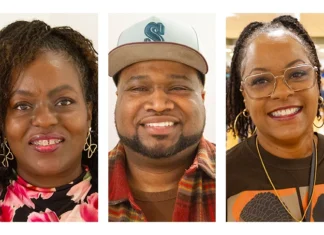
After 28 years in business, Capitol Hill restaurant owner Sabrina Tinsley and her partners have put La Spiga up for sale. In Rainier Valley, Erasto Jackson says rising expenses are testing his determination to keep Lil’ Red’s Takeout and Catering open. And downtown, Jamila Conley has installed a security gate at WeRise Wine Bar after repeated concerns about public safety.
Their experiences reflect growing concerns among Seattle’s Black business owners about rising operating costs, public safety, regulatory requirements and the long-term viability of doing business in the city.
According to the 2026 Business Climate Survey conducted by the Seattle Metro Chamber in partnership with the Downtown Seattle Association, 56% of respondents said Seattle’s business climate had worsened over the previous year, while 61% were pessimistic about the next 12 months. Another 47% said they had seriously considered moving operations, jobs or investment out of Seattle during the past year.
While the survey reflects concerns among Seattle businesses broadly, the experiences of Black entrepreneurs such as Jackson, Tinsley and Conley illustrate how those pressures are affecting independent establishments that contribute to the city’s cultural and economic identity.
Joe Nguyen, president and CEO of the Seattle Metropolitan Chamber of Commerce, said small businesses face challenges from multiple directions, including government policies, rising expenses and economic uncertainty.
“Small businesses are facing adversity from the federal level, from the local level, and then also just a lot of uncertainty that’s happening,” Nguyen noted.
Beginning Jan. 1, 2027, Washington’s minimum annual salary threshold for overtime-exempt executive, administrative and professional employees will rise to $92,196 for employers with 51 or more employees and $82,976.40 for smaller employers. Employees must also meet applicable duties requirements to qualify for exemption.
Combined with rising health insurance premiums, labor expenses and a tax and compliance burden that 72% of surveyed businesses describe as uncompetitive, these requirements add to the financial pressures facing independent operators.
Jackson, who owns Lil’ Red’s Takeout and Catering in the Rainier Valley, has experienced those pressures firsthand. A recent social media post expressing his frustration sparked speculation that he planned to sell the business, but Jackson said he has no intention of leaving.
He believes policies aimed at major corporations and high-income earners can have unintended consequences for neighborhood businesses that depend on customers employed throughout the regional economy.
“What our government doesn’t understand is there’s a trickle-down effect to that,” Jackson explains.
Jackson argues that when large employers reduce their workforces or scale back operations, the effects extend to restaurants and other small businesses. Customers facing layoffs or financial uncertainty may find themselves choosing between dining out and buying groceries.
At the same time, Jackson faces rising supply costs, higher wages and a utility-rate increase he says will reach 18% over two years, squeezing already narrow profit margins.
“Everything is ridiculous right now and there’s no help, and no one seems to care,” Jackson says.
Jackson has also expressed frustration with city leadership, including Mayor Katie Wilson, over what he sees as insufficient attention to small business concerns.
Despite those challenges, Jackson remains committed to the business he started nine years ago after cashing out his stocks and bonds.
“I ain’t no quitter,” Jackson affirms. “I’m going to fight this thing out, and I hope and pray that we as a city do better when it comes to voting qualified people into office that actually care about the community that they’re serving.”
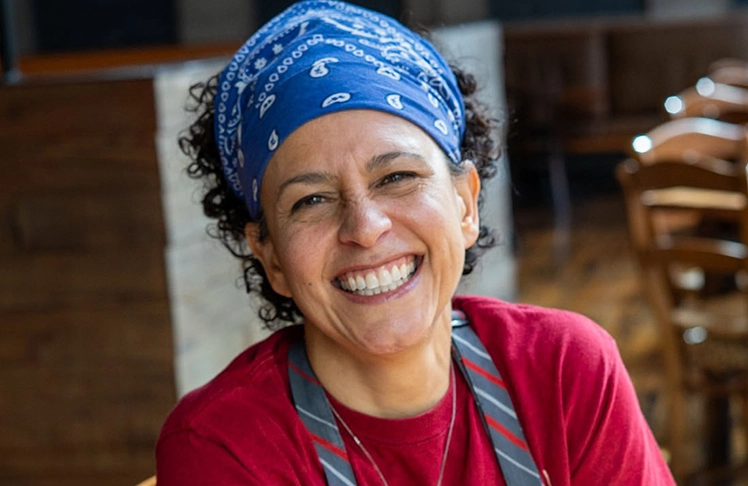
For Tinsley, the challenges have led to a different decision. After nearly three decades operating La Spiga on Capitol Hill, she and her partners have put the restaurant up for sale.
“We’ve been through so many ups and downs in the market but this time it’s different,” Tinsley shared, pointing to global turmoil, political shifts, and relentless local expenses. “Our slim margins are just becoming slimmer and slimmer, so it is not sustainable to operate a business. The city just puts us in a category of, well, they’re doing great, so let’s just keep taking and taking and taking from the businesses.”
Tinsley also cited parking enforcement and evening parking fees on Capitol Hill as obstacles that she believes discourage customers from visiting neighborhood restaurants.
While rising operating costs have strained restaurants such as Lil’ Red’s and La Spiga, downtown business owners like Conley are also confronting public safety concerns that affect their daily operations.
According to the survey, public safety and taxes and fees were tied as the leading challenges, each identified by 64% of respondents. Only 40% said the area around their business felt safe always or most of the time.
Conley, owner of WeRise Wine Bar near Second Avenue and Stewart Street downtown, said recurring problems involving public disorder, open drug use and human waste near her building’s entrance led her to install a security gate.
“It became more of a business decision and a safety risk than financial,” Conley explained.
She said obtaining the necessary permits took six months, adding another layer of frustration to an already difficult situation.
While city officials have emphasized efforts involving homelessness services, permitting and worker protections, business advocates argue that Seattle must better account for the cumulative effects of its policies on smaller employers.
Nguyen and other business advocates have called for improvements in public safety, more efficient permitting and greater predictability in local taxes and regulations.
Jackson said the responsibility for sustaining neighborhood businesses does not rest solely with government or customers. Business owners must also provide quality service and demonstrate that they value the people who support them.
“We also as small businesses have to do our part to put it out there that we want your business, we respect your business, we appreciate your business,” Jackson notes.
Despite her commitment to Seattle, Conley said the costs and challenges of operating downtown have made neighboring Bellevue increasingly attractive.
“Now I understand why people go to Bellevue,” she said. “You travel five miles over the water and your minimum wage drops, your insurance drops, your taxes drops and it’s just like, ‘oh I get it.’ I am Seattle ride or die, but it sure does look appealing.”