Active Aging
GLP-1 medications have become one of the biggest weight management trends in recent years. But for users, building a healthy lifestyle is about more than just regular injections.
What started as a treatment for diabetes has quickly fueled a much larger conversation about weight loss, aging, energy, and long-term wellness. For many adults, these medications really are helping.
It’s easy to focus entirely on food when talking about GLP-1s because appetite changes are usually the first thing users notice. Still, doctors and health experts continue to stress the same reminder: The medication is only part of the story.
The habits and lifestyle you build around it are just as important.
Smaller Appetites Can Make Nutrition More Important
For some people, GLP-1 drugs can significantly reduce “food noise” and cravings. They might even make users forget to eat.
That effect might sound helpful at first, but eating too little or forgetting about important nutrients can leave you feeling weak, tired, or rundown over time. That’s especially true as you get older and naturally begin losing muscle.
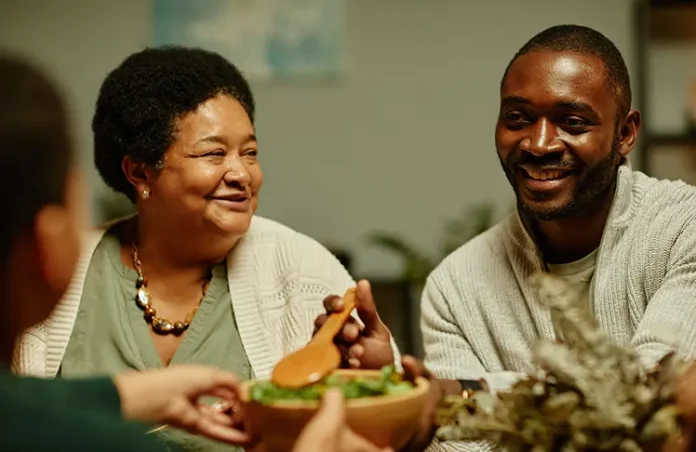
For older GLP-1 users, protein should be a bigger priority than ever. Foods like grilled chicken, eggs, yogurt, fish, beans, and protein-packed snacks can help you maintain strength while losing weight. Instead of eating whatever sounds tolerable in the moment, you may feel better when you focus on meals that actually keep you full and energized.
Fiber matters, too, especially since stomach issues are one of the most common complaints from GLP-1 medication users. Fresh fruit, oatmeal, vegetables, soups, and whole grains can deliver your fiber requirements without making meals feel overly heavy.
According to the Cleveland Clinic, focusing on nutrient-dense foods while taking GLP-1 medications may help reduce side effects and support healthier weight loss overall.
Movement Does More Than Burn Calories
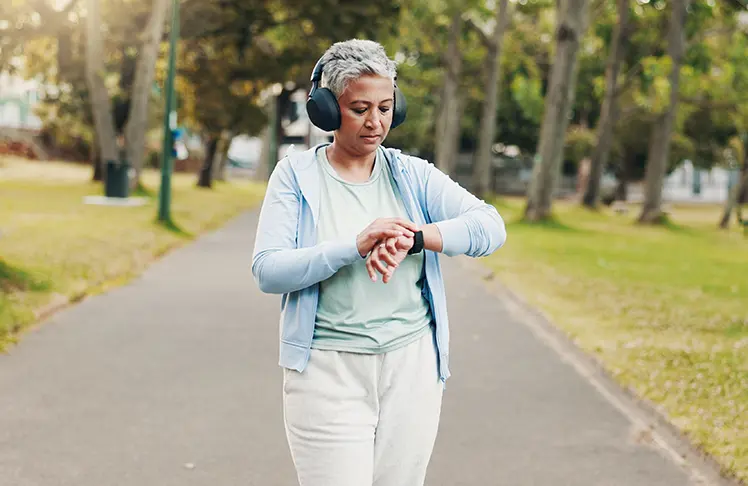
Many adults are surprised by how important movement becomes for GLP-1 users. We’re not necessarily talking about intense workouts or long gym sessions, either — just regular movement.
When you lose weight quickly, muscle can disappear along with it. That’s one reason doctors often encourage strength training alongside weight loss. The National Institute on Aging also recommends regular movement for older adults because it supports balance, mobility, bone strength, and overall independence as you age.
That doesn’t mean you need to spend hours lifting heavy weights. Intentional movement with resistance bands, bodyweight exercises, water aerobics, or even gardening can help keep your body active.
Walking is another habit that tends to make a big difference. You might start taking a short walk after dinner to help with digestion or parking farther away at the grocery store.
These little routine changes often feel more sustainable than forcing yourself through workouts you dread.
Sleep Has a Bigger Impact Than You Think
Sleep is another factor that we often ignore in conversations about weight and wellness.
You can spend all day trying to “eat healthy,” but if you’re only sleeping for four or five hours a night, your lack of rest eventually catches up with you. Poor sleep can leave you feeling hungrier, more irritable, less motivated to stay active, and more stressed.
Sometimes, the smaller habit shifts end up helping the most. Turning your phone off earlier, sticking to a more regular bedtime, or making your room feel cooler and quieter at night can leave you feeling noticeably more rested the next day.
Stress Affects More Than Your Mood
Stress also plays a role in your holistic health, whether you realize it or not.
You may notice stress showing up in your routine in ways that have nothing to do with emotions. Maybe you stop eating when you feel overwhelmed. Maybe you snack constantly because you are mentally exhausted.
GLP-1 medications may quiet hunger cues, but they do not magically fix burnout, loneliness, emotional eating habits, or everyday stress. That’s why the bigger picture matters.
You will likely feel your best when you pay attention to all the other things, too. Drinking enough water, eating nutrient-dense foods, sleeping more consistently, moving your body in ways you actually enjoy, and finding small moments to slow down during stressful weeks can all make a difference.
The medication can help open the door to a healthier lifestyle, but your daily habits are what will help you feel better, stronger, and more like yourself in the long run.