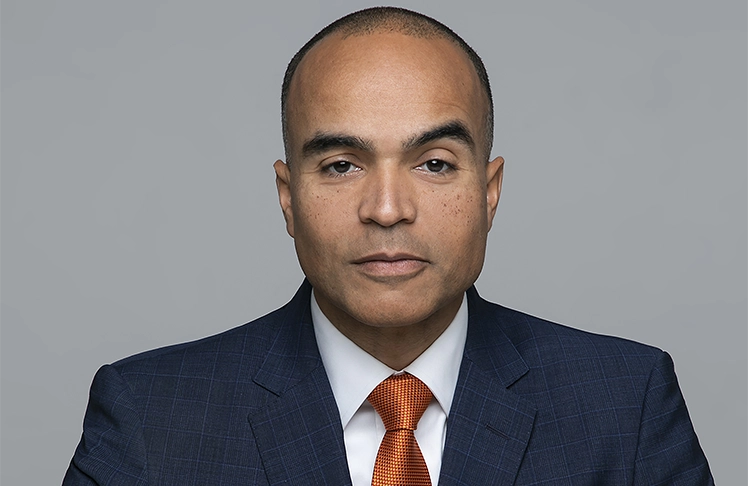
Washington State Attorney General Nick Brown joined a bipartisan coalition of 27 state attorneys general urging the Federal Trade Commission to move forward with rulemaking aimed at curbing hidden and deceptive fees in rental housing.
The request comes as housing affordability continues to strain renters nationwide, with state officials warning that undisclosed fees are making it harder for consumers to understand the true cost of housing and compare options.
“Housing affordability is one of the top concerns among Washingtonians, which is made worse when people deceive tenants about costs or undermine competition in the housing market,” said Brown. “The federal government can help our residents by adopting rules that rein in such unfair and deceptive practices.”
The coalition’s letter to the FTC supports advancing a formal rulemaking process following the agency’s Advance Notice of Proposed Rulemaking, which seeks public input on whether new federal standards are needed to address rental fee practices.
The FTC’s Advance Notice of Proposed Rulemaking asks for public input on a range of issues, including whether landlords clearly disclose total rent, how fees are structured and presented, and whether certain practices limit consumer choice during the rental process.
Attorneys general say renters are frequently subjected to “bait-and-switch” pricing, where advertised rents appear lower than the actual cost after mandatory fees are added late in the application process or after a lease is signed. According to the letter, these practices can leave renters locked into housing they can no longer afford after investing time and money into securing a unit.
State officials say these fees can include application charges, administrative costs, mandatory service fees and other add-ons that are not always disclosed upfront, leaving renters with a higher total cost than initially advertised.
Officials also warned that such practices distort competition in the housing market, placing landlords who disclose full costs upfront at a disadvantage compared to those who do not.
The coalition is calling on the FTC to adopt rules that require clear disclosure of total housing costs, prohibit deceptive or misleading fee practices, and establish a baseline national standard for transparency in rental pricing.
At the same time, the attorneys general emphasized that any federal rule should preserve the authority of states to regulate rental markets and enforce consumer protection laws, noting that housing conditions and policies vary widely across jurisdictions.
The coalition noted that the number of renters spending more than 30% of income on housing reached an all-time high in 2024, underscoring the growing pressure on households already struggling with affordability.
State officials say the issue has intensified in recent years as more renters face rising costs and increasingly complex fee structures tied to applications, deposits and monthly charges.
The FTC has already taken enforcement action against large housing providers in recent years, securing multimillion-dollar settlements tied to undisclosed fees and misleading pricing practices. However, officials say case-by-case enforcement alone is not enough to address the scope of the problem.
For many renters, the outcome of potential federal rulemaking could determine whether housing costs become more transparent—or whether hidden fees continue to push total rent beyond what many households can afford.