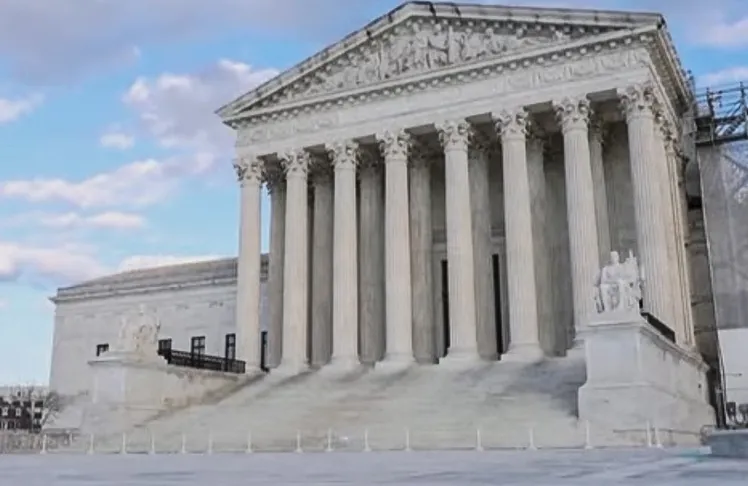
Businesses in Northwest Washington can now apply for refunds on tariffs imposed during the Trump administration after the U.S. Supreme Court ruled the measures unconstitutional, prompting federal officials to launch a new claims system this week.
U.S. Customs and Border Protection on Monday opened an online portal allowing importers and brokers to request refunds for tariffs collected under the now-invalidated policy. Businesses can apply through the tariff refund portal on the CBP website, where claim forms and instructions are available. Companies must submit declarations detailing affected goods, and approved claims are expected to be paid within 60 to 90 days, according to the agency.
The court’s February ruling set in motion the return of more than $166 billion in tariff revenue collected by the federal government. The refund process could also eventually extend to consumers who paid higher prices tied to those import taxes.
U.S. Rep. Rick Larsen, D-Wash., said the refund system will help businesses recover costs associated with the tariffs, which he has long opposed.
“Northwest Washington businesses will now have the chance to get the money Trump taxed from them in the form of his illegal tariffs,” Larsen said. “The tariffs have damaged businesses and driven up costs for hard-working families. These refunds force the Trump administration to return the dollars it stole from local businesses.
“I will keep fighting to make sure local Northwest Washington businesses can take back the money that belongs to them as this process moves forward,” Larsen said.
Larsen, a member of the New Democrat Coalition Trade and Tariffs Task Force, has been a vocal critic of the tariffs and has met with businesses across Northwest Washington to hear concerns about rising costs and supply chain disruptions.
In recent months, Larsen visited several local companies, including Goodwinds Composites, Northwest Yarns and Mercantile, TerraVen and EDCO Metal Fabricators, which reported being affected by the tariffs.
The House of Representatives earlier this year passed a resolution co-led by Larsen to terminate the use of emergency authorities to impose sweeping tariffs on imports from Canada. The measure passed 219-211 with bipartisan support.
Larsen also advocated for provisions in the Fiscal Year 2026 National Defense Authorization Act to study the impact of tariffs on military readiness and small businesses tied to the defense industrial base, citing concerns from companies that moved work overseas due to uncertainty surrounding trade policy.
In addition, Larsen has pushed back against tariffs on Canada and Mexico, including a 25% tariff placed on imports from both countries, arguing the policies have increased costs for consumers and businesses in Northwest Washington.