By Kiara Doyal, The Seattle Medium
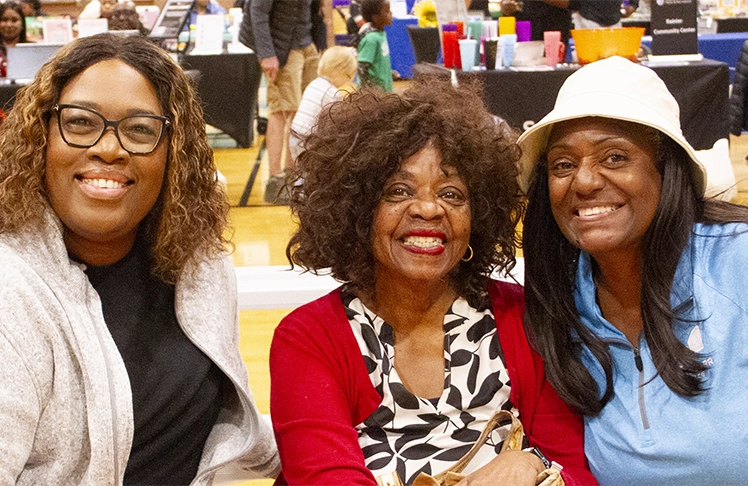
Byrd Barr Place brought together health providers, community organizations, and families at Rainier Community Center last Saturday for its inaugural Health & Wellness Fair, creating a community-centered space focused on wellness, prevention, and access to care.
Hosted in partnership with Marvin Thomas Memorial, National Council of 100 Black Women Seattle Chapter, CompuKidz Worldwide, National Council of Negro Women, and Fred Hutch Cancer Research Center, the event connected residents with health resources while emphasizing a broader view of wellness rooted in community, stability, and opportunity.
At Byrd Barr Place, health has long been viewed as extending beyond medical care alone.
Recognizing the growing need for culturally responsive wellness resources, particularly within Black and historically underserved communities, the organization saw the fair as an opportunity to create a welcoming environment where residents could access information, services, and support.
“This fair was inspired by conversations with residents, community partners, and families who want more accessible, welcoming spaces to learn about their health, connect with providers, and prioritize wellness in a holistic way,” said Byrd Barr Place Events and Engagement Coordinator Sa’id Mohamed. “We wanted to create an event that feels empowering, community-centered, and fun.”
Throughout the day, attendees connected with local organizations and healthcare providers while taking part in health screenings, wellness activities, educational workshops, and family-friendly programming designed to promote physical, emotional, and financial well-being.
“Attendees had access to free wellness resources, health information, screenings, vaccines, massages, giveaways, food, and community support services throughout the day,” said Mohamed. “There were also 30 local vendors and organizations sharing resources and opportunities that people can continue benefiting from long after the event ends.”
For Byrd Barr Place, the event also reflected the organization’s broader mission of advancing equity and creating pathways to health, prosperity, and justice for Black individuals and families across Washington.
“Whether we’re helping families with food access, energy assistance, financial stability, or advocacy, we know health impacts every part of a person’s life,” said Mohamed. “This event allows us to connect people with resources that support both physical and emotional well-being while strengthening community relationships in a fun, light-hearted environment.”
Mohamed said the timing of the event was especially important as many families continue navigating rising costs, stress, housing instability, and lingering health disparities intensified by the pandemic.
“Access to preventive care, mental health support, nutrition education, and trusted healthcare information can make a major difference in long-term outcomes,” said Mohamed. “Too often, underserved communities face barriers like affordability, transportation, lack of culturally competent care, or simply not knowing where to go for support. Events like this help reduce those barriers.”
For organizers, the goal extended beyond hosting a single event.
Mohamed said the fair was designed to help close gaps in awareness, access, and trust by connecting residents directly with providers, educators, wellness practitioners, and community organizations.
“Many people delay care because services feel inaccessible or disconnected from their lived experiences,” said Mohamed. “We’re also emphasizing whole-person wellness — including mental health, nutrition, movement, and social connection — because wellness is more than just seeing a doctor.”
The event also reflected collaboration among organizations working toward shared health and equity goals.
“We’re incredibly encouraged by the number of organizations, advocates, and local leaders who stepped up to collaborate on this event,” said Mohamed. “It reflects the power of partnership and the belief that when communities work together, we can create stronger systems of support. This fair is proof that Seattle communities care deeply about collective health and equity.”