By Aaron Allen, The Seattle Medium
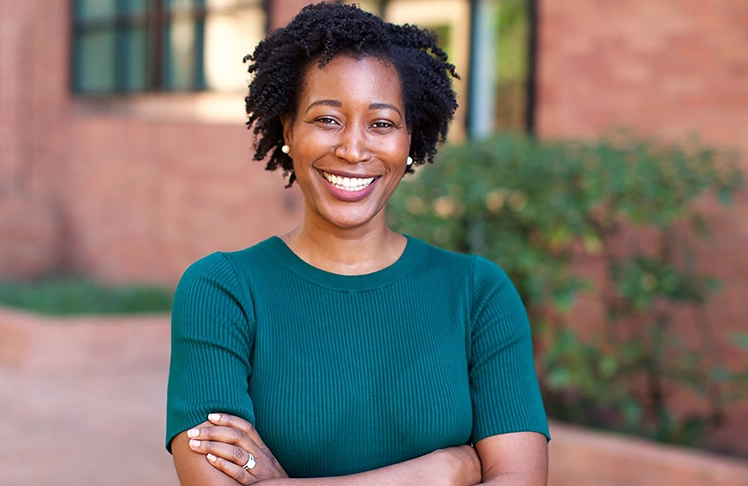
Dr. Rachel Issaka, an associate professor of gastroenterology at the University of Washington School of Medicine, received the 2026 Excellence in Mentoring Faculty Award on Oct. 27 for her commitment to supporting faculty members from communities underrepresented in medicine and science.
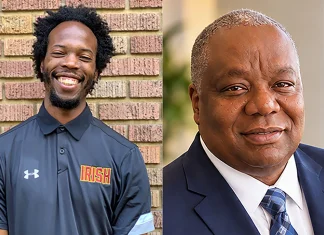
Issaka, who also serves as director of the Population Health Colorectal Cancer Screening Program at Fred Hutch and UW Medicine, was honored during a ceremony at the Waterfront Activity Center alongside Dr. Jose Garcia, professor and interim head of gerontology and geriatric medicine.
Presented through the University of Washington School of Medicine’s Committee for Mentorship & Faculty Advocacy (CMFA), the award recognizes outstanding mentorship of faculty from communities underrepresented in medicine and science. Two awards are presented annually, one recognizing an early-to-midcareer faculty member and another honoring the cumulative mentoring contributions of a more senior faculty member.
For Issaka, the recognition reflects a professional journey shaped by perseverance, the guidance of mentors and a commitment to helping others find their place in academic medicine.
A first-generation African American whose family immigrated from Ghana and settled largely in the Midwest, Issaka began her academic journey at the University of Wisconsin-Eau Claire before earning her medical degree from the University of Michigan. She completed her residency at Northwestern University in Chicago and her fellowship and research training at the University of California, San Francisco.
Her path required years of education, clinical training and professional examinations, along with the determination to navigate the demands of a career in academic medicine.
“Medicine is a long training process and so part of it was just, you know, having the perseverance of making it through the many steps of required training and the many board certifications and remaining optimistic and knowing that there was an end towards which, you know, I was striving for.”
As she approached the end of her fellowship, Issaka developed an interest in addressing colorectal cancer and disparities in screening and care, particularly among Black, Native American and Latino populations. The mentorship she received at the University of California, San Francisco, helped shape that interest and provided guidance as she prepared for the next stage of her career.
In 2017, Issaka moved to Seattle to join the faculty at Fred Hutch and UW Medicine, where she began building a research program focused on improving colorectal cancer screening and reducing barriers to preventive care.
Today, she leads the Issaka Lab and holds the Kathryn Surace-Smith Endowed Chair in Health Equity Research. Her work focuses on increasing colorectal cancer screening among underserved populations, improving follow-up care after abnormal screening results and addressing obstacles that prevent patients from receiving timely medical attention.
One of her research priorities is helping patients complete a diagnostic colonoscopy after an abnormal stool-based screening test. Although these tests can identify people who need further evaluation, transportation difficulties, scheduling challenges and gaps in care coordination can prevent patients from completing the next step.
Issaka’s research examines how health care systems can address those barriers, improve communication between patients and providers, and make screening and follow-up care more accessible, particularly for communities that have historically experienced disparities in health care.
Her work has also connected her with national cancer prevention and screening efforts involving organizations such as the Centers for Disease Control and Prevention, the National Comprehensive Cancer Network and the National Colorectal Cancer Roundtable.
While her research focuses on improving access to health care, Issaka’s approach to mentorship reflects a commitment to expanding opportunities within the medical profession.
Having benefited from mentorship during her own training, Issaka believes the responsibility to share knowledge and support others does not begin only after someone has reached the highest levels of their profession. Instead, she sees mentorship as something that can occur throughout a career, whenever one person’s experience can help another move forward.
“In medicine, you know, we have the saying of ‘see one, do one, teach one,’ meaning that if you’ve seen something, then you practice it, and once you practice it, then you can teach other people how to do it as well,” Dr. Issaka shared. “I’m a firm believer that anyone who has gone through a particular experience can share that with others, and that too is a form of mentorship.”
That philosophy informs her work with faculty colleagues, researchers and trainees pursuing careers in medicine and science. Through her laboratory and clinical research, Issaka helps others develop their skills, navigate professional challenges and identify opportunities to contribute to their fields.
For Issaka, the impact of mentorship extends beyond individual professional accomplishments. Each person who receives guidance has the opportunity to share that experience with someone else, creating a continuing exchange of knowledge and support.
Looking ahead, Issaka hopes her research will contribute to reducing colorectal cancer incidence and deaths while helping prepare future generations of clinicians and researchers to address persistent disparities in health care.
She also hopes those she mentors will continue sharing what they learn, extending the benefits of mentorship beyond any one laboratory, institution or career.
“Can we continue to pass along those skills to subsequent generations so we can all build on what has already been created?” she asks.