
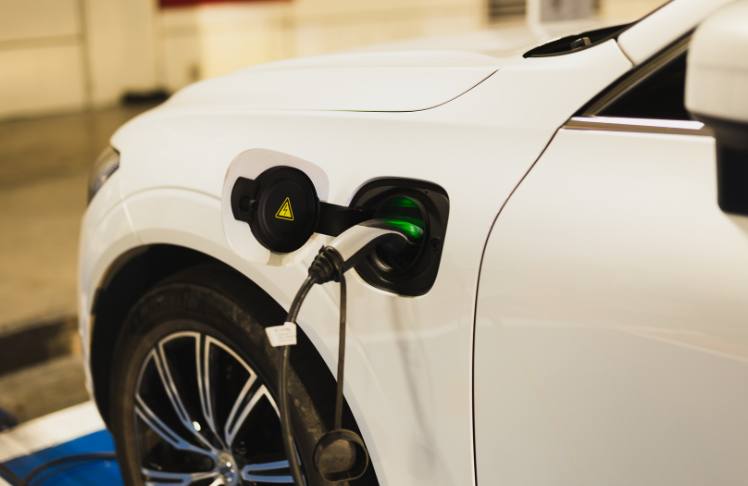
The future is getting closer as electric cars are on the rise. More than 35 states, including Washington, have had their National Electric Vehicle Infrastructure (NEVI) plans approved and have begun to receive fed funding. A green leader, Washington state will receive a total of $71 million over the next five years. Electric car users who wish to charge at home may benefit from local utility programs or federal tax credits.
Electric vehicle popularity is no longer being denied. EV registration both statewide and nationwide has quintupled in five years. Reports show that EVs now account for one in ten vehicles sold in the United States. That will rise significantly as gas guzzlers are replaced by electric cars only. In addition, a proposed federal rule would compel manufacturers to make more EVs. Washington’s new state law is ahead of the game which requires all new vehicles sold beyond 2035 to have zero tailpipe emissions.
The Biden Administration has become aggressive on the subject. More than $5 billion has been set to build 500,000 chargers nationwide through the NEVI Formula Program. Washington state will invest $69 million a year to install new chargers statewide. Inside the program is support Washingtonians in multifamily housing without dedicated parking.
There are also policies which require accessible payment with credit cards, and maintenance standards to ensure that stations stay working. EMV chip readers will be placed for all new charging stations beginning next January. Those with a prepaid debit card or credit card can easily drive up and charge. This means that people won’t have to go throughan app.
Electric vehicle registration statewide and nationwide has quintupled in five years. EVs now account for one in ten vehicles sold in the US. There are only 200 public charging locations statewide that offer fast charging. Those charging stations are mostly concentrated in the Seattle-Tacoma-Bellevue area.
Washington state is looking to simplify the process. The state is working on an EV mapping tool. EV owners will be able to identify existing charging locations and strategically site new ones to eliminate “charging deserts.”


