By Cynthia Flash, Special To The Medium
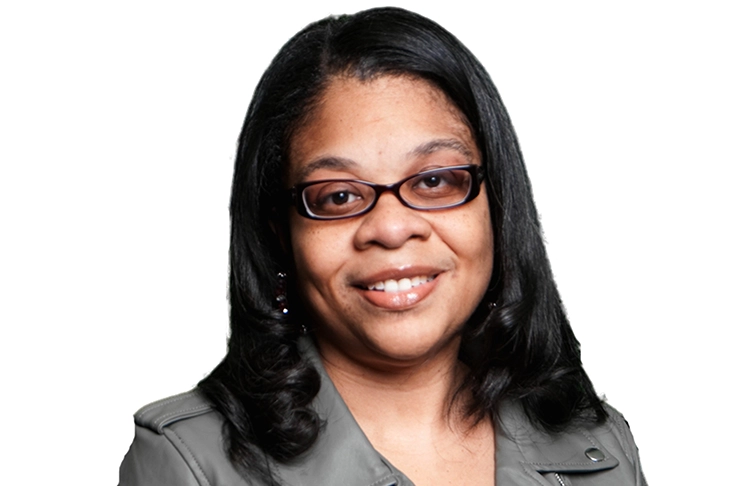
Every March, National Kidney Month brings attention to kidney disease and the millions of Americans living with it. For South King County resident Carmelle Bias, the issue is deeply personal. After decades of managing lupus and eventually facing kidney failure, Bias now uses her voice and her story to encourage others – especially in the African American community – to stay informed, seek care, and keep moving forward.
Today, just 16 months after receiving a kidney transplant, Bias said she is doing well.
“My kidney function is great,” she said after a recent appointment with her nephrologist. “All my tests are doing well, and my doctor is very pleased.”
Her transplant took place in November 2024 after two years on kidney dialysis, the process in which a patient’s blood is sent through a machine, replacing the work that healthy kidneys do to clear waste and water from one’s system. But the road to that moment began much earlier.
A life rooted in Seattle
Bias was born and raised in Seattle and graduated from Garfield High School before attending Highline Community College. As a young woman, she entered the travel industry after receiving a scholarship aimed at increasing opportunities for African American women in hospitality and travel.
“I started when I was about 19, working as a leisure, corporate, and government agent before I transitioned to Northwest Airlines as an international reservation ticket agent,” Bias said.
The career allowed her to see the world – something she remembers fondly. But throughout those years, she was also quietly managing lupus, an autoimmune disease she had been diagnosed with at age 16.
“I didn’t want people to know,” she said. “I didn’t want anyone thinking I was too sick to work. So I learned early on to push through and show up.”
That determination would become a defining theme in her life.
Turning challenges into purpose
In 1998, lupus complications led to a seizure and treatment that included chemotherapy. During that process, Bias lost her hair, which eventually inspired her first entrepreneurial venture.
“I created a hairpiece for women who lost their hair to chemotherapy,” she explained.
The product, called the “Hat and Go” hairpiece, launched in 2004. Bias designed and marketed the product herself while also working in accounting for the Washington State Department of Agriculture.
“I was doing everything – sewing the hairpieces, designing brochures, marketing,” she said with a laugh. “To this day I don’t know how I did it.”
But behind the busy life, her health was becoming more complicated. Over time, lupus began affecting her kidneys. For years she managed painful flare-ups and frequent emergency room visits while continuing to work and run her business.
In 2020, she was surprised to learn her kidney function had dropped to just 10%. Her physician told her she was about two years away from needing dialysis.
Meanwhile, “my life didn’t stop,” she said. In fact, it was busier than ever: She’d carved out time from running her own business to start a nonprofit and begin hosting a radio show, Women Empowerment Talk Radio, to support other small business owners, especially those who were just starting out. An entrepreneur herself, Bias knew how hard it can be to build something from nothing. She wanted to give other women a platform to share their stories, connect with marketing and business resources, and to learn from and uplift each other.
Eventually, her kidney function declined.
The moment everything changed
In 2022 came a series of health blows: Bias battled a serious case of COVID-19, then lost her eyesight to macular degeneration. She began experiencing what she thought were pneumonia symptoms – uncontrollable coughing, shortness of breath, fatigue. A friend finally insisted she go to the hospital. There, doctors recognized the real cause: Her kidneys had finally failed. Bias began dialysis immediately.
“There was no preparation, no education,” she said. “They just said, ‘We have to start dialysis now.’”
Bias spent about two weeks in the hospital before returning home to begin a routine of four-hour dialysis treatments three times a week.
It was a turning point: She realized she had to get up to speed quickly on kidney disease and become her own best advocate. “I’m going to learn what I need to learn, so I can continue on. That was my mindset,” she said. “I’ve got to figure this out.”
Determined to beat the odds
Dialysis can become a long-term reality for many patients. During one of her first rides to treatment, another patient told Bias she had been on dialysis for six years.
“In my head, I said, ‘No I won’t,’” Bias recalled. “I told myself I’m going to do whatever I have to do to get off dialysis.”
Once she started dialysis, Bias had one goal: to get off of it. She learned all she could about her treatment options and began doing the extensive work required to become eligible for a transplant: medical tests, lab work, dental care, lifestyle adjustments. She monitored her diet carefully, limited fluids, exercised regularly, and prioritized rest.
“I treated it like a full-time job,” she said.
Her dialysis treatments began at 5:15 a.m. and ended around 9 a.m. After resting at home, she would continue with her day – running her nonprofit organization, hosting her radio show, and staying active in the community.
The call that changed everything
By August 2024, Bias had completed all the medical evaluations required to be placed on the kidney transplant list. Through a special review process designed to address disparities affecting African American patients, her waiting time was adjusted, helping accelerate her eligibility.
Just a few months later, she received the call. “I had just finished dialysis and was on my way to the radio station,” she said. “They said they might have a kidney for me.”
She completed her radio show that day, packed her bag, and waited with family for confirmation. When the call came again that afternoon, she headed to the hospital immediately.
The transplant surgery began that evening and lasted several hours. When she woke up, she had a new kidney – and a new chapter in life.
Using her voice to help others
Today Bias continues to host Women Empowerment Talk Radio, in addition to leading the Women in Business Expo Group. But increasingly, she has found another calling: sharing her kidney journey to educate others.
Black Americans are nearly four times more likely to develop kidney failure and experience higher rates of morbidity and mortality from chronic kidney disease than White Americans, accounting for more than 35% of dialysis patients despite being only 13% of the U.S. population. Conditions such as high blood pressure, diabetes, and lupus all contribute to that disparity.
Bias believes stories like hers can help break down barriers, including fear.
“Sometimes people are afraid to go to the doctor,” she said. “But we have to overcome that. Education is so important.”
She often speaks at community events and health forums, including kidney health programs aimed at raising awareness in the African American community.
Through every stage of her journey – from lupus to dialysis to transplant – Bias said she has held on to advice from her grandmother.
“She told me, ‘Carmelle, keep moving. Don’t let anything stop you.’”
That simple message has carried her through some of life’s hardest moments.
“When something difficult happens, I look back at everything I’ve already made it through,” Bias said. “If I got through that, I can get through this.”
During National Kidney Month, she hopes her story encourages others to do the same: seek care, learn about kidney health, and never give up.
“Life happens,” Bias said. “But we can overcome. And the most important thing is to keep moving.”
National Kidney Month is a great time to focus on health and learn about kidney disease, which oftentimes can be prevented and controlled. Here are some tips:
• Follow prescribed treatments to control diabetes and/or high blood pressure, the biggest causes of kidney disease.
• Lose extra weight with a healthy diet and regular exercise.
• Don’t overuse over-the-counter pain medicines.
• Don’t smoke.
• Eat more fresh food to avoid the damaging salt that preserves our processed food.
• Know your family health history.
• Ask your doctor to test you for kidney disease if you are at risk—take a quiz to find out at https://www.nwkidney.org/living-with-kidney-disease/am-i-at-risk/overview/
For more information, go to nwkidney.org.