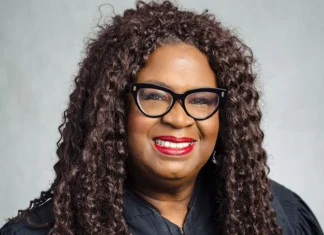
By Kiara Doyal, The Seattle Medium
Seattle homeowners could soon have a new way to block unwanted calls, emails and text messages from real estate solicitors thanks to new legislation introduced by Councilmember Dionne Foster aimed at protecting homeowners from predatory practices.
According to Foster, the proposal was shaped by conversations with residents who described repeated and unwanted outreach from real estate solicitors. She said homeownership should serve as a pathway to building wealth, not become a source of intrusion or pressure.
“Hearing from people, especially Black homeowners, that they are getting these phone calls coming in and we are really seeing it as something that, on the minimum level, is an invasion of privacy,” said Foster. “But on the maximum level, it can lead to people getting into bad deals for their homes and losing that opportunity to build wealth.”
The legislation would establish a “Do Not Solicit List,” allowing homeowners to opt out of unwanted real estate communications. The goal is to give residents, particularly legacy homeowners, greater control over how they are contacted while helping preserve opportunities to build and maintain generational wealth.
Foster said the proposal is modeled after legislation adopted in Philadelphia and New York, where homeowners receive protections from unwanted real estate-related solicitations tied to residential property transactions.
“This idea came from having those conversations with folks who had been working on this and trying to protect themselves as well. We talked to community leaders, and we shared with people to block certain numbers from their phones because it is one of these solicitors,” said Foster. “Whether that communication comes by phone call, email, or text message, our intent is to be comprehensive and cover those different forms of contact for homeowners.”
If approved, homeowners who have experienced unwanted real estate solicitations could voluntarily enroll in the city’s Do Not Solicit List, Foster said. Those who register would be protected under the ordinance, which includes enforcement mechanisms for violations.
“If and when this legislation passes, the city will create an opportunity for people to add themselves to the list. In order to put your home or property on the list, you’ll need to acknowledge that you have experienced unwanted solicitation,” said Foster. “Then, you’ll add your name to that list, and then anybody that is on that list is then covered by this policy, and we’ll also provide a private right of action, as well as basically fees and penalties that can be assessed for violations of the do not solicit list.”
Foster said the proposal is especially important as Seattle continues to see declines in Black homeownership and an increase in renter households.
“The last several years, we have shifted to become a city of majority renters. And we have seen this decline in particular, Black homeownership in the Central District, and this targeting that I believe is also happening in other areas of the city,” said Foster. “It is really important that we are doing this protection now and trying to make sure that we have strategies to preserve that homeownership.”
Historically, Black families have faced barriers to achieving and maintaining homeownership. Foster said reducing unwanted solicitations could provide another layer of protection against predatory real estate practices that threaten opportunities to build generational wealth.
“If you’re able to get on this list and say, I don’t want to receive these solicitations, and we’re able to stop those unwanted solicitations from happening, I think that is part of the way that we help prevent those predatory practices that we see in real estate from negatively impacting our community,” said Foster. “I think that this gives the opportunity for somebody to say, I want to put my name on this list and have that protection. Not having that concern that they are going to get over solicited, I think, is important.”
Foster said the legislation’s success will depend not only on implementation, but also on making sure homeowners know the protections are available.
“We want to make sure that we are doing the outreach to help make sure that Black legacy homeowners know that this is something available. For it to work, people have to know that the policy exists,” said Foster. “Moving forward, it is going to be all about partnership and making sure that we are actually reaching those families, and that is how we are going to make sure that this has the impact that it’s designed to have.”