By Aaron Allen, The Seattle Medium
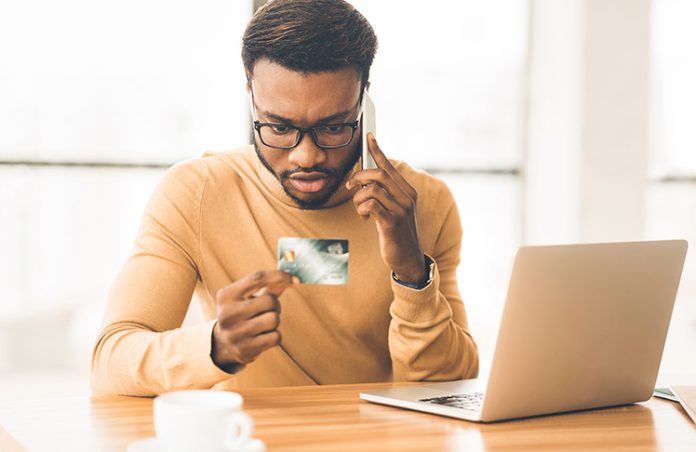
Over the summer, many consumers take advantage of great travel deals. Given all the stress that people can incur on a daily basis, the thoughts of getting away to a stress-free environment is very attractive. However, these trips can quickly become stressful after you discover that purchases that you are trying to make with your debit/credit card after reaching your destination have been declined by your financial institution.
After further investigation, you find out that your account was hacked, scammed, compromised and you have become a victim of fraud.
According to financial experts, millions of dollars are lost each year due to scams and fraud. And while financial institutions are doing all that they can to protect consumers from fraud, consumers who are very cautious about sharing their personal and financial information – including how and where they use their debit/credit cards – are the first line of defense against scammers and fraud.
According to data from the Federal Trade Commission, $26 million was lost to travel, timeshare, and vacation rental fraud from January to March 2021 alone, with a reported median loss of approximately $1,100 per incident. Another survey states that victims lost the largest amount of total money to vacation and travel scams.
“Whether on a cruise with your spouse or summer vacation with your family, the last things you want to worry about are scams and fraud,” says Tristan Lockhart, a Business Relationship Manager with JPMorgan Chase. “Unfortunately, scammers and fraudsters don’t take any time off.”
Lockhart says that despite the efforts of the financial industry to protect against Fraud, he cannot emphasize enough how important it is for consumers to protect their personal information such as your social security number, bank account information and credit and debit card information from potential scams and fraud.
“This is industry wide, and institutions are buckling down to make sure that they are protecting their clients and businesses from loss and fraud in general,” says Lockhart. “From privacy to financial it’s all protected, and I think from that standpoint every institution is doing their due diligence to ensure they are protecting the firm and their clients.”
“When it comes to Chase there are few different things that we’ve done, one of which is that we have fraud protection tools that we used to charge consumers to use that are now free,” Lockhart continued. “What we are doing as a firm is putting these tools at our clients’ fingertips. I think the basic tool that everybody is familiar with is getting a text informing you that your balance is low. Tools like this enable Chase to help its customers keep their money safe and avoid financial abuse.”
To protect yourself while on vacation or getaways, Chase has mapped out some do’s and don’ts that can give consumers a pathway to help protect themselves against criminal activity.
The Do’s
• Educate yourself on the most common types of scams before you travel. Fraudsters will use anything to their advantage, especially if you’re in an unfamiliar environment on vacation. Search online for information on the latest common scams.
• Slow down – vacations are about taking things slowly. Scammers often try to create a sense of urgency to get you to share personal information or money. If something seems too good to be true, it probably is.
• Review your accounts regularly by logging into your bank’s website or app from a secure internet connection – avoid public Wi-Fi. Many banks will let you set up account alerts that notify you of transactions on your account or credit card in real time.
• Be careful when you use your devices in public areas. Watch out for anyone looking to see what you’re doing.
• Lock your credit or debit card to prevent unauthorized use. Many banks and credit card issuers let you “lock and unlock” your card from their mobile app or website to help protect your account from unauthorized transactions.
DON’Ts
• Share personal or financial information with anyone, including hotel staff, strangers at a bar, or a taxi driver. Fraudsters will use scare tactics or try to gain your confidence to convince you to share personal details that could help them steal your money or identity.
• Give your banking information to anyone, including someone who appears to be contacting you from your bank. Information like your banking username, password, or ATM pin can help crooks steal your money or identity.
• Transfer money to someone claiming it will reverse fraud on your account. Legitimate companies will never ask to send money via wire, check, payment apps or any other method to prevent fraud.
If you believe you may have been a victim of fraud or scams, there’s no need to feel embarrassed or ashamed. It can happen to anyone. What’s most important is to take immediate action.
First, contact your bank, credit card issuer or local law enforcement to report the fraud or scam. They’ll be able to tell you the best way to proceed.
Chase helps its customers keep their money safe and avoid financial abuse. There is comprehensive information and resources on the Chase website to provide information on scam warning signs, how to report abuse, and how to be better prepared against these risks.
“If you are receiving unsolicited calls or texts and email that you are not familiar with or seem unsure of, call a trusted number of your banking or credit institutions,” Lockhart advices. “We don’t want you giving out information to people you don’t know. If you receive a call, even if is from Chase, and it seems uncomfortable, hang up the phone and call back using a trusted number [for the institution] or go into a branch.”
Two things that Lockhart advises consumers to do is to think about using a credit monitoring service and to use a credit card instead of a debit card while travelling.
“Leading with a credit card is important because it doesn’t have access to your cash,” says Lockhart. “Now a lot of people don’t possess a credit card, I understand that, but if you have the benefit of having a credit card, using your credit card instead of debit is highly encouraged.”
Unfortunately, fraudsters and scammers exist, and they are trying to create and take advantage of as many opportunities as they can to defraud consumers. But there are tools and measure in place by many financial institutions to help consumers protect their money. Chase has a comprehensive list of information and resources on its website to provide information on scam warning signs, how to report abuse, and how to be better prepared against these risks.
Lockhart says that it is important for consumers to be aware of the various options that may be available to protect them and to have a plan of action in the event you become a victim of fraud.
“When it comes to fraud know your emergency plan,” says Lockhart. “A lot of clients are highly concerned about fraud and scams, but more importantly do you have a plan if it ever happens to you? I truly believe it will lessen the concern and the fear if we are more prepared in how this works and the only way, we are going to do this is to engage with your financial institution.”
“So, be confident know your emergency plan and execute your plan to protect your assets,” Lockhart concluded.