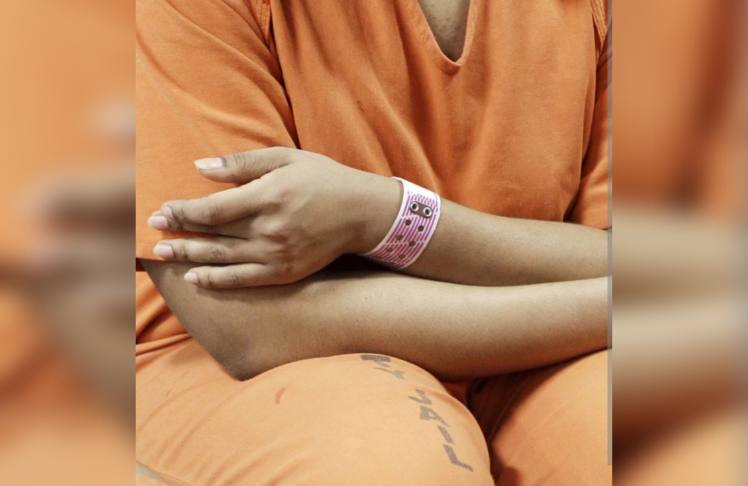
The State of Washington has sent a message of harsh punishment to those who abuse their position at work in an incarceration setting. The ‘Kimberly Bender’s Law’ will impose harsher penalties for sexually abusive jail and prison guards. It passed the Washington state Legislature Wednesday. The bill will go to Gov. Jay Inslee for review.
“Kimberly Bender’s law” is named after a Quileute woman who died by suicide in her Forks jail cell after reporting her jail guard, John Gray, sexually harassed her. Gray was convicted in 2021 of two felony and two misdemeanor counts of custodial sexual misconduct for sexually assaulting four women who were inmates at the Forks jail in 2019. He served 13 months of his 20-month sentence.
It seemed to be a no-brainer as the State House of Representatives voted unanimously to pass the “Kimberly Bender’s Bill” into law. The bill was prompted by a 2022 local media investigation about a former Forks jail guard who served just over a year in prison after sexually assaulting four women.
A Florida prison was put on the hot seat and ultimately closed down after the media put out a story on the abuse of women. The Washington Senate unanimously passed the bill and it now goes to Gov. Jay Inslee to sign or veto. Once the governor receives the bill from the Legislature, he will have five days to take action on the measure.
The change would allow for a prison term of 10 years instead of the current five-year maximum for cases when a corrections officer has sexual intercourse with a victim. The legislation had the support of both parties. It was sponsored by Sen. Mike Padden (R-Spokane Valley). The legislation proposes to upgrade the status of first-degree custodial sexual misconduct from a Class C felony to a Class B.
In a situation where such power is held over another, there is no consent. This law would also raise the status of second-degree custodial sexual misconduct from a gross misdemeanor to a Class C felony. A change in that offense would bring a maximum prison sentence of five years. The second-degree charge applies to cases when a corrections officer has sexual contact with a victim. The vote on the floor was 97-0.