A bipartisan group of lawmakers has introduced legislation that would strip congressional pensions from members convicted of sex crimes, violent offenses and other serious violations, expanding existing rules that already apply to corruption and bribery.
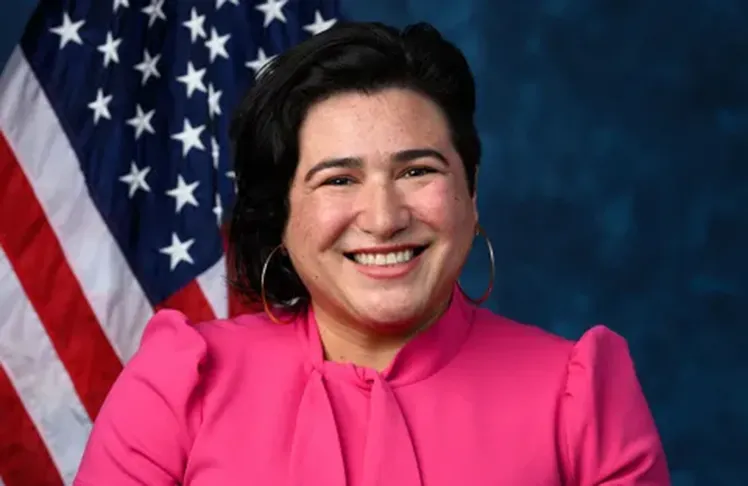
U.S. Rep. Emily Randall, a Washington Democrat, introduced the Congressional Pension Integrity Act of 2026 alongside lawmakers from both parties. The bill would prohibit members of Congress from receiving taxpayer-funded pensions if they are convicted of certain crimes committed during their service or found to have violated House rules related to sexual conduct with staff.
Under current law, members of Congress can lose pension benefits if they are convicted of offenses such as corruption, bribery or treason. The proposed legislation would expand those provisions to include crimes such as rape, sexual assault, sexual abuse of a minor, sex trafficking and other violent offenses, as well as fraud, obstruction of justice and election-related crimes.
The bill also allows for pension forfeiture if the House determines that a member engaged in sexual conduct with a staff member in violation of its rules, even in cases where there is no criminal conviction.
“Americans are sick of being let down by the people elected to represent them,” said Rep. Emily Randall. “We already strip taxpayer-funded pensions from Members convicted of corruption, bribery, and treason – sexual assault and harassment must be taken just as seriously.”
Supporters of the legislation say the measure is intended to close accountability gaps that allow some lawmakers accused or convicted of serious misconduct to retain taxpayer-funded retirement benefits.
Under existing rules, members of Congress who meet minimum service requirements may qualify for a federal pension even if they leave office amid allegations of misconduct, as long as they are not convicted of disqualifying offenses. Members with at least five years of service can become eligible for pension benefits starting at age 62.
On average, congressional pensions total about $45,000 annually, with total taxpayer costs estimated at roughly $38 million each year, according to the National Taxpayers Union Foundation.
Recent cases have drawn attention to those rules, as some lawmakers who left office amid allegations of sexual misconduct remain eligible for taxpayer-funded retirement benefits because they were not convicted of crimes that would disqualify them.
“With accusations of ethical and legal misconduct swirling around several current and former members of Congress, Americans are rightly asking why their taxpayer dollars are going to officials who violated their constituents’ trust,” said Debra Perlin, vice president for policy at Citizens for Responsibility and Ethics in Washington. “When members of Congress leave office after committing violent criminal offenses they should not be able to continue collecting American taxpayer dollars by drawing their pensions.”
The proposal comes as lawmakers face increased scrutiny over ethics and accountability, particularly in cases involving misconduct toward staff, where power imbalances complicate questions of consent and discipline.
The bill has been referred to committee and would need to pass both chambers of Congress before being signed into law.