Finances FYI Presented By JPMorgan Chase
By Aaron Allen, The Seattle Medium
As rising costs and economic uncertainty continue affecting households across the region, financial experts say building strong financial habits has become more important than ever.
From budgeting and saving to protecting personal finances and planning for the future, local financial leaders are encouraging residents to view financial wellness not as a destination, but as an ongoing journey built through consistency, preparation, and long-term goals.
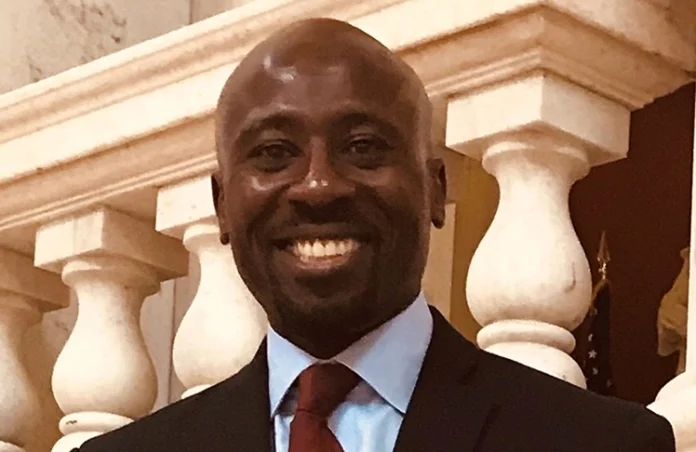
“We all have financial needs and goals, whether it’s dreaming of buying a new home, starting a business, or simply feeling more secure about your finances,” said Shak Adebimpe, Market Director for Chase in Washington. “No matter where you are on your financial journey, it’s never too early, or too late , to get started.”
According to Adebimpe, building a strong financial foundation starts with understanding four key areas of personal finance: earning, protecting, spending, and saving.
• Earning: Understanding how income supports both immediate needs and long-term goals.
• Protecting: Safeguarding finances from fraud, theft, and unnecessary spending that can quietly undermine financial progress.
• Spending: Managing monthly expenses wisely while still making progress toward larger financial goals.
• Saving: Creating financial flexibility and preparing for future opportunities, even if saving begins in small amounts.
“The act of saving is what creates the margin people need to take advantage of future opportunities,” said Adebimpe.
For people who unsure where to begin, Adebimpe recommends starting small and focusing first on creating clarity around personal financial goals and spending habits.
The first step, according to Adebimpe, is identifying the “why” behind financial goals, whether that means homeownership, family security, paying off debt, or starting a business.
The second step is creating a realistic budget that tracks where money is being spent each month.
“Once you have an idea of where your money is going, it’s easier to adjust your spending habits so you can save more,” said Adebimpe.
Adebimpe also encourages residents to review budgets regularly and make adjustments as life circumstances and financial priorities change over time.
Without a clear plan, Adebimpe said, income can often disappear into overlooked expenses and unnecessary spending.
While budgeting can feel intimidating for some people, Adebimpe said there is no single approach that works for everyone. Some individuals prefer budgeting apps, while others may feel more comfortable using spreadsheets or handwritten tracking systems.
“The best system is the one you will actually use consistently,” said Adebimpe.
As inflation and higher living costs continue placing pressure on household finances, financial experts also recommend automating savings whenever possible. Setting up automatic transfers into savings accounts can help people consistently build financial cushions while reducing the temptation to spend money elsewhere.
Adebimpe said financial progress should be viewed as a long-term process rather than something that requires perfection every month.
“If you fall short one month, don’t get discouraged,” Adebimpe said. “Give yourself grace, adjust as you go, and keep moving forward. Watching your savings grow, no matter the amount, is a powerful way to build financial security and peace of mind.” For more information about financial planning tools and resources, visit JPMorgan Chase Financial Goals.