By Kiara Doyal, The Seattle Medium
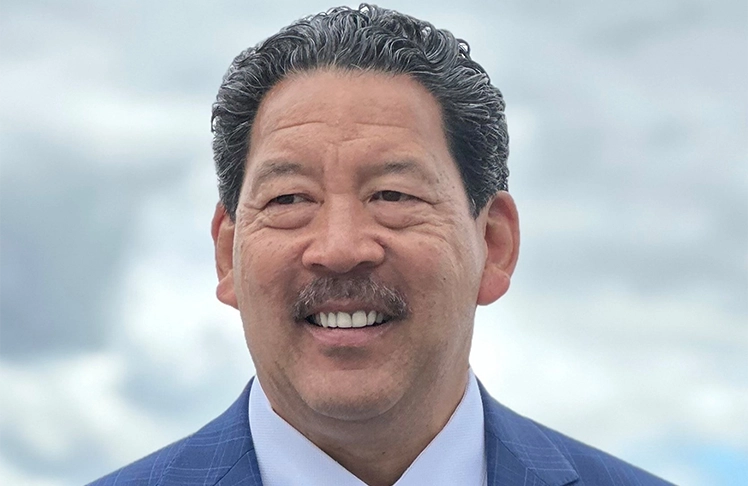
Last week, Seattle Mayor Bruce Harrell introduced new legislation aimed at curbing predatory homebuying practices and strengthening protections for vulnerable homeowners. The proposal builds on an executive order issued earlier this year by Harrell to prevent displacement and preserve communities across the city.
“Homeowners – especially seniors, low-income families, and those in historically marginalized communities – deserve to stay in their homes without being targeted by deceptive or aggressive buyers,” said Harrell. “These new protections promote transparency, fairness, and accountability, ensuring homeowners know their rights while helping keep Seattle’s vibrant, diverse communities rooted in place.”
Predatory homebuying refers to unsolicited offers made on homes not listed for sale, often targeting elderly or financially distressed homeowners with below-market cash offers. Such practices have become increasingly common in neighborhoods facing gentrification and rising housing costs.
“Being born and raised in the Central District and serving as a representative for South Seattle on the City Council, I’ve seen firsthand how exploitative homebuying practices have robbed families of generational wealth opportunities and pushed longtime neighbors out of the community,” said Harrell.
According to Chukundi Salisbury, executive director of Black Legacy Homeowners, Black homeowners in Seattle have been targeted, pressured, and pushed out by predatory buyers who see their homes as a profit center, as opposed to legacy and community building.
“This legislation is about putting power back in the hands of our elders, our families, and our community,” says Salisbury. “At Black Legacy Homeowners, we’ve seen how some high-pressure, shady deals can tear apart neighborhoods and erase decades of hard-earned equity. These protections will help Black homeowners stay rooted and strong in the face of gentrification and displacement.”
He added that aggressive door-to-door solicitation is also a common predatory homebuying practice.
“You see those handwritten signs that say, ‘We buy houses in any condition,’ very soft, but still in your face, and your neighborhood. We see these things in areas with people who are most likely to be in financial straits,” said Salisbury. “Which is, we know, people of color, Black people specifically, in Seattle.”
“You have people that knock on your door, and that in itself is not necessarily predatory, but it is when people try to either repeatedly come to pressure you to sell or give you bad information. They will tell you your house is worth a low amount, but in reality, the house is worth much more,” Salisbury said. “These practices are most certainly annoying, and they are just trying to mislead the person.”
Some of the provisions in the new legislation to protect homeowners include:
• Requiring potential buyers to provide information to homeowners about their rights, including how to access the fair market value of the home; the owner’s right to appraisal, with the buyer responsible for the cost of appraisal; and the right to hire a real estate agent and seek legal counsel.
• Giving the city the ability to fine businesses or individuals who do not comply with new regulations.
• Establishing a private right of action if a buyer fails to comply with the city ordinance.
The protections in the new legislation closely mirror those in State House Bill 1081 but introduce stricter penalties for violations. It also enhances property owners’ awareness of their rights and legal protections, extends the timeframe for canceling purchase contracts, and grants residential property owners a private right of action.
“This legislation adds essential protections for longtime legacy homeowners, particularly those vulnerable to deceptive practices in neighborhoods experiencing intense development. It reinforces the anti-displacement strategies outlined in our Comprehensive Plan, and I look forward to continuing this important work,” said Councilmember Joy Hollingsworth.
According to Salisbury, one of the most important provisions of the legislation is the one that allows homeowners to cancel purchase contracts within 10 business days after signing or 10 days after receiving an appraisal.
“People make those poor decisions when they are under duress, and this is a predatory move to come and pressure those people,” Salisbury said. “You may have signed some faulty paperwork, but now you will have more than a week to be able to go back and say this actually isn’t a good deal, and that is crucial.”
Another important benefit of this legislation is its potential to help homebuyers build and pass on generational wealth, a meaningful step forward for many Black families.
“It is going to help make sure we are not falling victim to shady transactions and allow people to be able to save their house. And most certainly every time you save the property, that is most certainly saving generational wealth,” said Salisbury.
Seattle City Councilmember Mark Solomon also supports the legislation, which he says will help Black families remain in their homes and avoid displacement at a time when many are already facing hardship from the ongoing housing crisis.
“One of my top priorities is to ensure that Black families in my district are able to build and pass on generational wealth in the same neighborhoods where they have lived for decades,” said Solomon.
Salisbury is optimistic about the impact of the new legislation and looks forward to the positive changes it will bring to the Black community.
“It is going to help a lot of people because it will make it harder for predators because they are hoping that you don’t know the value of your home. But now, they will have to show you where you can find the fair market value of your house after they present you with an offer, and then let you decide from there,” said Salisbury. “That is a game changer. We do that with cars and Carfax, so I am excited to see what good it does for the community.”