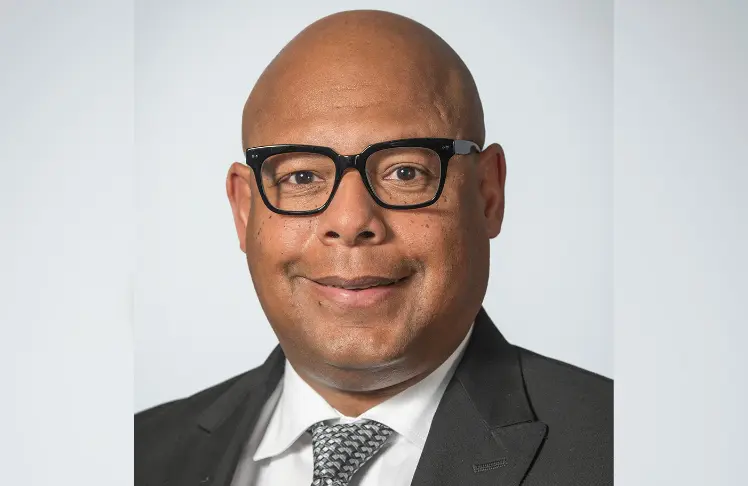
By Shon F. Barnes Ph.D. , Chief of Police, Seattle Police Department
In my office stands an old school record player. A throwback to the days of Saturday morning housework, which was the backdrop of a childhood primarily spent in public housing. Although my record collection has no original pressings, it is a small but mighty group of my top five: Thriller, Purple Rain, The Miseducation of Lauryn Hill, Marvin Gaye, and, of course, Bob Marley’s “Legend” album. There you will find “Redemption Song” a classic track in which Marley states, “Emancipate yourself from mental slavery, none but ourselves can free our minds.”
Federal troops arriving in Galveston, Texas in 1865 were not coming to free slaves. They were arriving to free people from the African diaspora who were enslaved to support mercantilism. A free labor and economic system that many still benefit from to this day. Marley had figured it out. It is the mental chains of a system that must also be broken to fully realize what it means to be free. Since that date 161 years ago, descendants of former slaves have become leaders in every field of human endeavor – including occupying the highest office in our country and, for one lucky young man, becoming Chief of Police in the great City of Seattle. Prior to police work, when I was a History teacher, I took great pride in teaching students about the contributions of Black Americans in this country. I truly enjoyed the “ah-ha” moments when students’ faces lit up as we talked about inventions like the traffic light, GPS technology, and the fire escape ladder (shout out to my Fire Fighter friends).
Bob Marley’s call to emancipate ourselves from mental slavery resonates deeply as a reminder that the responsibility for our liberation rests in our very hands. We are tasked with becoming the embodiment of hope and the realization of dreams once deferred. This is the essence of Juneteenth—a celebration not only of freedom from bondage, but also of our ongoing pursuit of justice, equity, and equality in a world that yearns for change.
The ongoing pursuit of justice, equity, and equality is just that… it is the pursuit. Meaning there must be actionable items and a plan to move toward a more just society. This means that policy makers and those in positions of power should have a plan for justice, equity, and equality. And if they do not, then they do not deserve our vote or support. But do not be fooled by empty promises and empty rhetoric by leaders who have only read about Juneteenth or have taken an African American History course. Lived experience is what truly counts. Most of us were not alive during Jim Crow but that does not mean we cannot work towards a better understanding of these systemic structures and how they have contributed to emotional, physical, social, and financial disparities for all Americans despite race, color, or creed.
(Trigger warning) 2020 was one of the most tumultuous years for community/police relations. The murder of George Floyd was compounded by a global pandemic, and political elections. The events of 2020 did exactly what political parties are designed to do – divide Americans and erode public trust by focusing on our differences. As 2020 was drawing to a close, I was completely exhausted as a leader in law enforcement, a parent, and as an American. One of my close friends in law enforcement reached out to me with a novel idea, what if we went to Selma, Alabama and walked 54 miles to Montgomery? If I had not been raised by two God-fearing parents, I would have immediately hung up the phone. But I was persuaded to make this pilgrimage because we wanted to explore the legacy of the civil rights movement and perhaps leave a legacy of our own.
I consider it a privilege to have visited Selma, walking across the Edmund Pettus Bridge, and retracing the steps of civil rights leaders along the 54-mile journey to Montgomery. This lived experience has helped me as a Police Chief to reaffirm my commitment to bring about positive social change with what little power I am able to wield.
I consider it an honor and a privilege to be the Chief of Police in Seattle. I have a huge responsibility, one that I do not take lightly. However, responsibility means little without the authority to make meaningful changes. Authority is a product of trust. Trust by those who granted you the responsibility, and trust by those for which you are accountable to. This is why our department moved forward with the Neighborhood Resource Officer program (NRO’s). NRO’s are a throwback to the early days of community policing and foot patrols. It is important for policymakers to recognize the value of community engagement in promoting positive outcomes. By including community members and organizations in the decision-making process, policies can better reflect the needs and concerns of the people they are meant to serve. This can lead to more effective and sustainable solutions to societal issues.
As we prepare to celebrate Juneteenth, may we always honor the sacrifices of those who have come before us. May we commit ourselves to positive dialogue, action, and supporting those who have our best interest at heart. And may we always use Juneteenth to remind ourselves that service is more important than success; that people are more important than possessions; and that principles are more important than power.