By Aaron Allen, The Seattle Medium
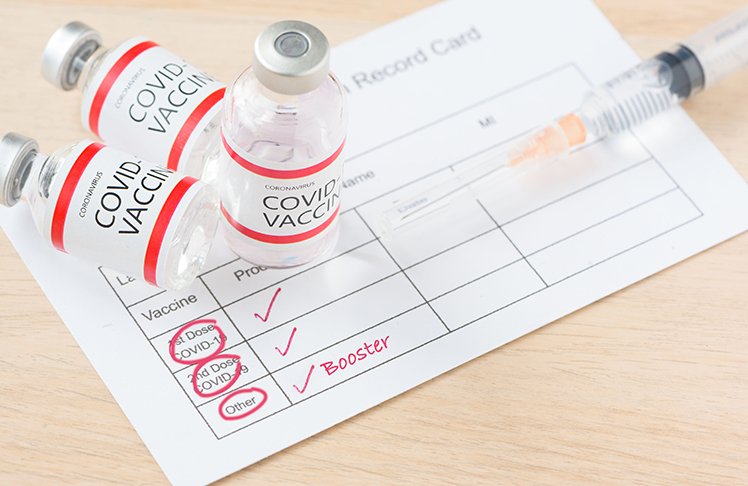
Based on the CDC’s recommendations, the Washington State Department of Health has approved COVID-19 booster shots for select groups of people. Previously, there was only approval for groups of people who originally received the Pfizer COVID-19 vaccine.
While there are many concerns about the vaccine and the need for booster shots, officials from Public Health Seattle-King County maintain that the best way to fight the virus is for people to get vaccinated and the need for booster shots stems from the virus’ ability to adapt and mutate.
“We know that the COVID-19 vaccine is safe and effective, continuing to provide high levels of protection from severe illness for most people against COVID-19,” says Christina Bradic, a spokesperson for Public health – Seattle & King County.
“We know that viruses mutate over time,” she continued. “This results in new variants which can make the disease more transmissible. This is also one of the reasons it is very important to limit spread as much as possible.”
“In addition to currently recommended booster shots, additional booster shots may be recommended in the future as we continue to observe how long-lasting protection from the vaccine is against mutations of the virus,” added Bradic. “Booster shots are not unusual. Some other vaccines have routine booster shots, including the TDAP shot that people routinely get for tetanus.”
Research shows that all three of the COVID-19 vaccines approved or authorized in the United States (Pfizer, Moderna and Johnson & Johnson) continue to be highly effective in reducing risk of severe disease, hospitalizations, and deaths, even against the widely circulating Delta variant.
Despite all of the misinformation and conspiracy theories circulating about the vaccines, Public Health officials say that they will continue to work with community-based organizations, faith-based organizations, community navigators, and community media to share accurate information with the communities in multiple languages.
“We know this can be confusing and sometimes frustrating,” says Bradic. “We make decisions with the goal of protecting as many lives as possible. We are so grateful to everyone who has made sacrifices and stepped up in order to help family, neighbors and our community remain resilient through these difficult times.”
Dr. George Counts, a retired infectious disease expert, says that when it comes to mitigating infectious diseases that booster shots are common and an important tool in helping to control the impact and spread of diseases.
“We have three vaccines that became available, and these (vaccines) prevent serious illness and death from COVID that much is clear,” says Counts. “The question is how long does the protection last after the initial two shots of Moderna and Pfizer and the one shot from J&J? And the way we measure how the protection lasts is you measure the antibody levels. And, if the antibodies decline you can presume that there needs to be a booster.”
“So, even though it is difficult to measure, it just makes sense that if people have gotten the vaccines and time has passed, it is reasonable to get the booster shot,” adds Counts.
As it relates to COVID booster shots in general, there have been reports about the potential safety and effectiveness of getting a booster shot that is different from the original vaccine that a person has received (i.e. initially getting a Johnson & Johnson vaccine and then getting a Pfizer booster). However, there is some concern in the public about mixing vaccines, which has caused some hesitancy, especially in some communities of color. But health officials say that the mixing of the shots is safe and, in some cases, more beneficial.
“Yes, it is safe to get a booster shot of a different vaccine type than your original vaccination,” says Bradic. “This should make it even easier for people to access booster shots. Eligible individuals may choose which vaccine they receive as a booster dose based on their individual benefits and risks, and scientific review has shown this is safe.”
“Some people may have a preference for the vaccine type that they originally received and others may prefer to get a different booster. The CDC’s recommendations allow for this type of mix and match dosing for booster shots,” added Bradic.
According to the CDC and public health officials, women under 50 should be aware that there is a very low risk of a very serious blood clotting disorder from the Johnson & Johnson (J&J) vaccine. This clotting can lead to hospitalizations and death. Other vaccines that do not have this risk are available. If you have any questions or concerns about the getting a booster of J&J, please talk to your doctor or call the COVID-19 Call Center at 206-477-3977.
Who is eligible for booster shots?
People 18+ who received the Johnson and Johnson vaccine are eligible for a booster dose two months after their initial vaccination.
For people who received the Pfizer or Moderna vaccine, the CDC recommends that the following people get a booster shot six months after they received their second vaccine dose:
• 65 years and older
• 18+ and live in a long-term care facility
• 50–64 with certain underlying medical conditions
• 18+ who live or work in high-risk settings
• 18–49 with certain underlying medical conditions