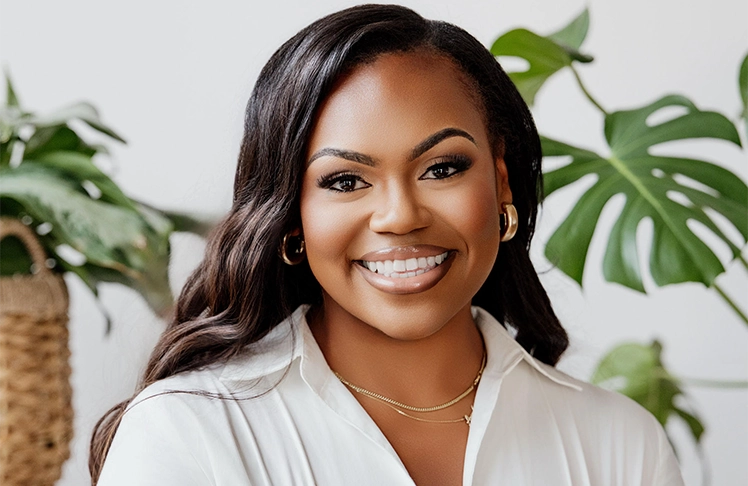
By Kiara Doyal, The Seattle Medium
As housing affordability continues to challenge families across the Puget Sound region, one Seattle organization is expanding its efforts to help Black families achieve homeownership. On June 5, Young Black Homeowners (YBH), a Seattle-based organization, will open its first community hub. The launch comes at a time when rising housing costs are disproportionately affecting Black families and creating additional barriers to building generational wealth.
According to founder and CEO Anzhane Slaughter, the new hub is designed to be much more than a traditional real estate office, serving as a gathering place where prospective homeowners can access education, resources, and guidance throughout the homebuying process.
YBH’s model combines homeownership education, financial support, and partnerships with both public and private organizations. The organization has secured millions of dollars in down payment assistance funding, helping dozens of families overcome some of the most common barriers to homeownership.
“We are a real estate education company that offers education that is culturally relevant and goes beyond just the surface level. We go after resources. In the last three years, we’ve secured about $4.8 million in down payment assistance, production dollars. These are programs that never existed before,” said Slaughter. “We deal with private and public partners, so that’s another benefit that you don’t commonly see with an education company or just a real estate office, and lastly, all of our educators are also real estate professionals.”
For Slaughter, the impact of those resources extends well beyond the dollar amount. Reducing debt, she said, can be just as important as providing down payment assistance, particularly for families without access to generational wealth or financial safety nets.
“In 2025 we helped 30 families alone. I would say, since we received this money, we have helped over 50 families since 2023 get into housing or paying down their debts,” said Slaughter. “Now the debt is huge, because that’s often a large barrier to even getting qualified, and when families don’t have safety nets, when they don’t have wealth, they don’t have just lump sums of cash lying around to pay off these debts, especially when the cost of living everywhere is going up, with gas, with groceries, with school, and education, you know, so those impacts that we see right away are the improvements in their families.”
Washington state has also taken steps to address historic housing inequities. It remains the only state with a statewide down payment assistance program created to help address the harms caused by racially restrictive housing covenants that prevented many Black and brown families from purchasing homes.
Programs like the Covenant Homeownership Program have created new opportunities for historically excluded homebuyers, but Slaughter said community-based organizations still play a critical role in helping families navigate the process and close remaining financial gaps.
Still, Slaughter believes long-term solutions require resources beyond government-funded programs.
“By creating YBH as a for-profit company to be able to create funds that don’t exist to bring more access to homeownership is absolutely different than anything that’s already out there, and it’s so needed because the challenges are going to come,” said Slaughter. “But these programs are government funded, so they do face challenges. The state is currently making revisions to the process of the down payment assistance funds with Covenant. Whenever this happens, it does have an impact directly on families that are looking to buy. We know that we cannot solely rely on government funding because there are so many changes.”
“So, by creating additional funds outside of these state dollars, YBH hopes to help or sometimes just be the only thing to close the gap when government funding has changes,” she added.
Slaughter said many people, especially those living in Seattle, are discouraged before they ever begin the process because of the region’s high housing prices.
“Price and affordability are two different things. The average home price in King County is $980,000. So, when you see numbers like this, and you want to live in a certain area, you might just write yourself off right away, because you’re thinking there’s no way that my family can qualify for this,” said Slaughter. “But a lot of times what prevents people from going through that first step is just mindset, trauma, and it’s the fear of not knowing what to do. There’s distrust among these institutions for good reasons, because our communities have been disproportionately denied versus other communities.”
For many families, she said, overcoming fear and mistrust is often the first step toward pursuing homeownership.
That focus on creating a welcoming and supportive environment is central to the vision behind YBH’s new community hub. When visitors walk through the doors, Slaughter hopes they will immediately recognize the space as one that celebrates Black excellence while providing trusted guidance and professional support.
“We serve everyone that’s a first-time homebuyer and that wasn’t born into wealth or has access to homeownership, trusted homeownership information, but we very much are unapologetic about being Black-owned and here for the Black community because the data demands it,” said Slaughter. “So, they’re going to see that this is a space that is celebrated. You’re going to get professionalism, you’re going to see culture everywhere within our space, because we need it desperately. We’re the only Black-owned real estate education company in Seattle with a physical office, and that’s so important, because if you don’t have a physical thumbprint in community, then it’s really almost as if it doesn’t exist. So, we want to make sure the representation is there.”