By Aaron Allen
The Seattle Medium
On Monday, the University of Washington held a student forum to address the newly minted Affirmative Action legislation I-1000. In the near future, I-1000 will become law in the state Washington cementing equity and diversity in education, employment and business.
Held at the University’s Samuel E. Kelly Ethnic Cultural Center (ECC), students descended on the Unity Room to talk about the impact of I-200 on admissions and how I-1000, which was recently passed by the state legislature, can impact college admissions in the future.
The event, organized by the ECC, provided students the opportunity to ask question and learn more about the initiatives and what to expect moving forward.
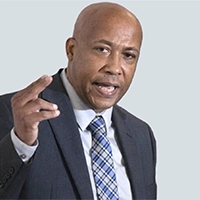
The panelist included attorney and former state legislator Jesse Wineberry; Robin Neal Clayton, Director of the Educational Opportunity Program (EOP) at the University of Washington; Keoke Silvano, an academic counselor with the EOP; and Edwin Lindo, a lecturer on family medicine and associate director of critical teaching and equity for the Center For Leadership and Innovation in Medical Education.
The issue of affirmative action and affirmative action policy has been a hot topic on the campus of the University of Washington of late, as a student organization, the UW Republicans, held an “Affirmative Action Bake Sale” on campus last Friday that possessed a perceived racist undertone. Many students of color felt the event was divisive and even promoted an unsafe environment that the ECC felt the need to address and debrief the students concerns.
Silvano says that the forum provided an opportunity to educate the students about the impact that I-200, I-1000 and affirmative action policies can have on education and the society as a whole.
“I believe that the panel was an important starting point for students to debrief and dialogue about shedding light about the passing of I-1000 and provide a historical perspective of affirmative action and the passing of I-200,” said Silvano. “Some of these students weren’t born in 1998 when [I-200] was passed, so providing some historical context was valuable.”
Due to the legislative success of I-1000 the forum had a celebratory aura. One participant stated how “I-1000 was a new pathway for minority students to be successful!”
One by one, students, from all ethnic backgrounds, stood up to share their experiences as students at a predominately White institution and the challenges they face as they work to be successful in their academic pursuits.
One Black student stood up and spoke on the necessity to even the playing field and how difficult it was to speak to school staff whom, because they did not look like her, seem to find it difficult to identify and share or have empathy for her struggle. The young lady stated with a thick accent about an interaction with school staff who couldn’t seem to connect with her or her message.
The young student after finishing the context of her experience stated, “it is one thing to hear the negro, but another thing to truly listen to the negro.”
Wineberry, who was inspired by the young woman’s testimony, told the students that it’s important to have dialogue and conversations, so they can educate people on the realities of I-1000.
“One method is to keep your eye on the prize,” says Wineberry. “Help to keep the new law in place, share the facts and reach for common ground and a perceived enemy can become and ally.”
Lindo contributed a different view in how legislation and law is applied and how racism can affect the health of students who are just trying to better their lives and the lives of their families. He spoke on how affirmative action grants access that otherwise might not have been granted to students of color if I-200 was to remain in the books and the positive affects I-1000 will bring about for the future of Black students and students of color.
“Under I-200 the [enrollment] numbers were dismal for students of color,” said Lindo. “It was not fair under that legislation.”
“Racism can have, like war on a soldier, a PTSD affect on the mind and body,” added Lindo. “It takes a toll on your mental and physical health.”
Neal Clayton expressed her enthusiasm about event, and how it helped empower the students in attendance.
“I am really grateful that this forum was put together with the resources that were on the panel particularly Jessie Wineberry and Edwin Lindo those perspectives were very thoughtful and informative,” said Neal Clayton. “I sensed an energy in the room that felt empowering because we had real information.”
Moving forward the impact of I-1000 still has a way to go. It has a few more weeks before becoming law and opponents of the measure are still fighting to deny diversity in education, the workplace and in business.
Right wing activist are using fear tactics and the lack of facts to entice immigrant groups like the Washington Asians For Equity, which is sponsoring Referendum 88), to oppose and help repeal I-1000.
“Moving forward this will become a moral battle, to educate citizens not to be defeated by fear,” says Wineberry. “When their fear has no factual basis that is when you again get enemies to become allies.”