Aaron Allen, The Seattle Medium
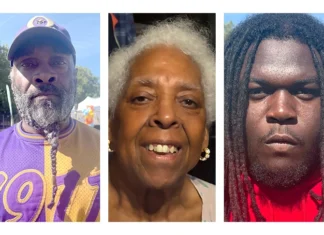
David Long never expected the death of his godson, a young Lynnwood-area artist and musician, to change the direction of his community work. One night, when he didn’t have his usual cannabis pen, the young man bought what he believed was cannabis from acquaintances. Long said his godson unknowingly consumed fentanyl while using the cannabis and died later that night. According to Long, an autopsy later confirmed fentanyl was in his godson’s system.
The loss led Long to turn his grief into advocacy, focusing his outreach on educating young people about the risks of unknowingly encountering fentanyl in today’s illicit drug supply.
“He was a 20-something-year-old kid that just kicked it,” said Long, founder of the nonprofit Testimony Praise Worship Gatherings. “He smoked it, and it was laced, and it killed him that night. That’s what was in his autopsy. I never got another chance to call him. Instead of me going back to drinking, I decided I was going to take all my hurt and all this pain and not let another young person die if I could help it.”
Long’s experience speaks to the concern at the heart of his advocacy: People may encounter fentanyl without intending to use an opioid or knowing it is present. While reports involving fentanyl-contaminated cannabis are less established than the documented risks involving counterfeit pills and illicit powders, the broader danger comes from an unregulated drug supply in which people cannot always know what they are consuming.
Illicitly manufactured fentanyl is a powerful synthetic opioid estimated to be up to 50 times more potent than heroin and 100 times more potent than morphine. For someone who does not regularly use opioids and has little or no opioid tolerance, unexpected exposure can suppress breathing, cause loss of consciousness and lead to death.
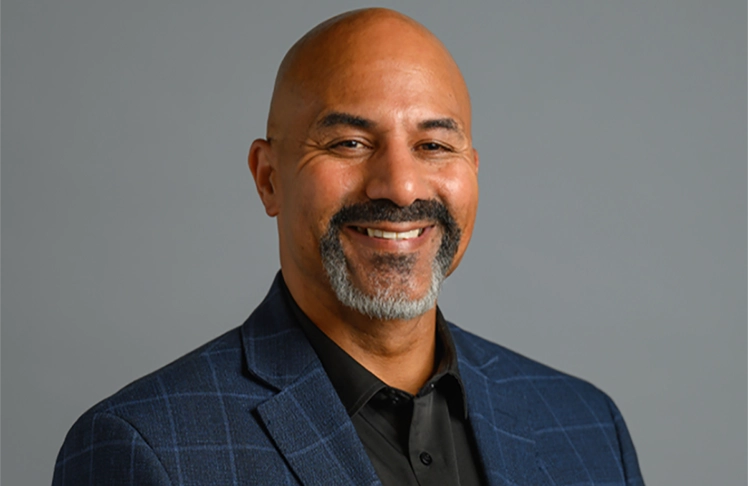
Jonetta White, a training education specialist with the Overdose Prevention and Response Team at Public Health – Seattle & King County, said education needs to focus on where fentanyl is showing up and making sure young people and parents can have open conversations about drug use and access lifesaving tools such as naloxone.
“We can’t control what our youth are doing, but we can talk to them and give them someone trusted to talk with about these things,” said White.
Counterfeit pills are a particular concern because they can be made to resemble legitimate prescription medications. Someone may believe they are buying Percocet, Xanax or another pharmaceutical drug when the pill was manufactured outside the regulated pharmaceutical system and its contents are unknown.
Long said fake prescription pills and party drugs are among the substances he is most concerned about when talking to young people.
“Those are the ones that are laced the most. Those are the ones that are killing the most people,” said Long.
Fentanyl can also be present in illicit powders and other substances, making appearance alone an unreliable way of determining what a drug contains. The danger can be especially acute when someone does not believe they are taking an opioid and may not recognize that an opioid overdose is occurring.
Adrian Sawyer knows how quickly that can happen.
Sawyer, who has experienced homelessness and addiction, said he witnessed numerous overdoses while living on the streets and administered Narcan to more than a dozen people.
“Fentanyl is in everything now,” said Sawyer. “Pills, weed, meth any kind of drug you can get now, it’s fentanyl-laced with all that stuff. The littlest bit of fentanyl can put you in an overdose… If you’ve never done fentanyl, your tolerance is not going to get to that point, and one little hit, one sniff can send you into overdose.”
Sawyer’s description reflects what he said he encountered personally. Public health evidence varies depending on the substance, however, making it important to distinguish individual experiences and anecdotal reports from broader documented trends, particularly when it comes to reports of fentanyl in cannabis.
The uncertainty surrounding the illicit drug supply is itself part of the risk. A pill obtained through an informal source may look nearly identical to a pharmaceutical product. A powder may contain substances the buyer did not expect. Even drugs obtained from the same source may not necessarily have the same contents or potency.
For people who choose to use illicit drugs, public health officials and harm-reduction advocates encourage steps that can reduce the risk of a fatal overdose.
Fentanyl test strips can detect the presence of fentanyl in a drug sample, although they cannot determine how much fentanyl is present. Naloxone, commonly sold under the brand name Narcan, can temporarily reverse an opioid overdose, including when someone did not know an opioid was involved.
Avoiding using drugs alone can also provide another layer of protection by ensuring someone is nearby who can recognize an overdose, administer naloxone and call for emergency assistance. Signs of an opioid overdose can include being unable to wake up, slow or stopped breathing, gurgling or choking sounds, pinpoint pupils and changes in the color of the lips, skin or fingernails.
For young Black adults, advocates say those conversations also need to take place without stigma or assumptions about who is at risk. The possibility of unexpected fentanyl exposure means someone does not have to consider themselves an opioid user to benefit from knowing how to recognize and respond to an overdose.
Sawyer’s experience also offers another side of the fentanyl crisis: recovery.
On July 14, 2026, Sawyer marked two years in recovery. His path included years of homelessness and addiction, involvement with the justice system and court-ordered treatment at ABHS. He later graduated from an HVAC program at UEI, found employment at Muckleshoot Casino Resort and continued rebuilding his life with the support of an Oxford House recovery residence.
His experiences have changed the way he talks to people who may feel trapped by addiction or circumstances they believe they cannot overcome.
“The struggle today is not going to be tomorrow, and your past doesn’t define you. When you come out of addiction, I feel like you come out reborn better like a 2.0 of yourself,” said Sawyer.
For Long, losing his godson created a different turning point. He said he could have responded to the pain by returning to drinking. Instead, he decided to use that grief to try to prevent other young people and families from experiencing a similar loss.
Their experiences reinforce a message public health officials and advocates are trying to get across: The danger is not that every illicit substance contains fentanyl, but that people cannot reliably determine what an unregulated drug contains simply by looking at it or trusting what they were told they were buying.
For young people navigating that uncertainty, knowing the risks, talking openly about drug use, carrying naloxone and knowing how to respond to an overdose can mean the difference between an unexpected fentanyl exposure and a fatal one.