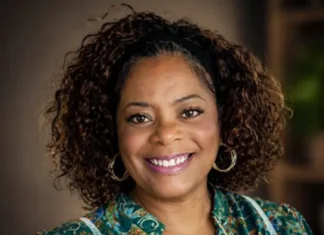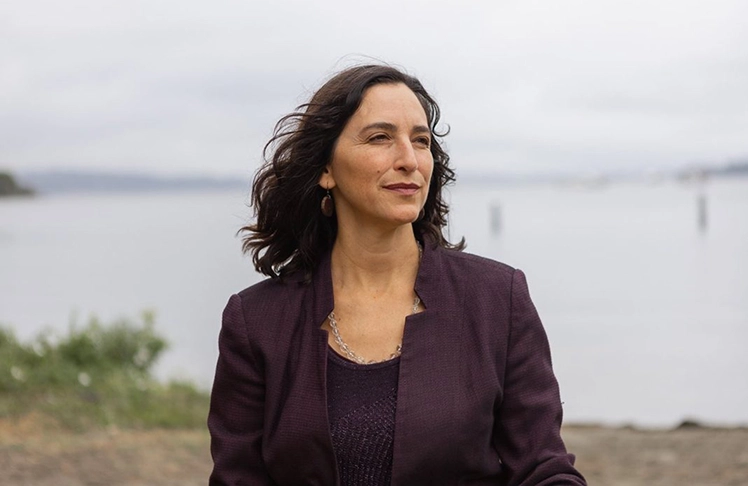
By Rebecca Saldaña
After an unimaginable tragedy, it is difficult to process the magnitude of loss to our communities. Gun violence pulls at every thread of our society. From a string of shootings in Capitol Hill to the mass shooting on the same weekend at Seattle Center that claimed at least three lives and injured more, these moments fill us with emotion that we cannot carry alone.
As a community, we grieve over the lives lost and mourn with the families as they honor the memory of their loved ones. We pray for the victims, including a baby just two years old, as they begin the long process of recovery. We rally around the over 100,000 people who attended or worked at the Bite of Seattle as they heal from fear and trauma. And we give ourselves permission to feel our own fear, anger, sadness, and anxiety as neighbors who love our city and deserve to feel safe at our parks, festivals, and public spaces.
I find myself challenged to hold the tension of yet another reality: that of a teenager, just 15 years old, who allegedly perpetrated this horrific violence. As impossible as it feels, I am holding space in my heart to grieve too for him, his family, and his loved ones. In this child, I see the face of one of my closest friends. While we were in middle school, he became involved in a deadly shooting and was one of the youngest people in the history of Washington state to receive a life sentence. Decades later, he was granted release at the age of forty-two.
This experience showed me firsthand the painful reality of gun violence and how the impacts of gun violence ripple through communities. How difficult it is to love someone who must be held accountable for their devastating actions and yet to dream that their life can be more than the worst thing they have ever done. As a community and elected leader, I’m challenged to envision and build a justice system that can heal the pain and suffering we all feel.
And yet, through reflection and grief, there is one thing I know to be true above all else: Every single act of gun violence is preventable. We can and must end youth gun violence.
It is especially difficult to remember in the midst of a tragedy that, in fact, we know what works to reduce shootings. Right here in King County, we have proven strategies that are working and desperately need additional support to meet the scale of this continued crisis.
In 2021, after enduring a year of a global pandemic and the country’s racial reckoning, we experienced one of the most violent summers in King County history. We saw 1,405 shots fired, 372 non-fatal shooting victims, and 88 firearm homicide victims. The victims of shootings, as well as the perpetrators, were disproportionately young people under the age of 30. This was an all-hands-on-deck moment for our region to join efforts and make significant investments in gun violence prevention, including:
• Harborview on-site intervention that pairs victims of firearm injuries with community support resources at their bedsides.
• Violence interrupters funded by the Regional Peacekeeping Collective and Seattle South East Safety Network that de-escalate violent incidents in real time on our streets.
• Safe passage programs that help kids get to school and home free of violence or gang members who might influence them.
• Diversion efforts that redirect children from incarceration to supportive communities and credible messengers that reduce their likelihood of reoffending.
And it worked. By 2025, we saw a 34% reduction in firearm homicides, a 52% reduction in non-fatal shootings, and a 24% reduction in all shots fired incidents countywide.
Unfortunately, instead of celebrating this success and building on overall reduced rates of gun violence, there are proposed funding cuts to the proven strategies that have made us safer.
As relatively new programs and investments, there is a need to improve accountability, transparency, and outcomes to be sure, but imagine if we treated proven investments in community violence intervention as essential as investments in emergency rooms or law enforcement? When something goes wrong, we don’t throw progress away. We relentlessly and diligently improve systems until they are worthy of the public’s trust.
We should not ignore the progress that has been made. The backbone organizations doing the hard, skilled work of violence prevention and producing strong outcomes have rallied and worked together to address public contracting failures that the county, inexcusably, ignored.
Now, it’s imperative that we strengthen this work in ways appropriate for a core public safety asset – not erode local government support for it further.
• In addition to reports on the number of shootings, King County should regularly publish programmatic reports on the outcomes of our investments in community violence intervention organizations.
• When shootings occur, King County should host community meetings not just in the immediate aftermath but to report back on what we learned and how law enforcement, organizations, and government worked together to resolve or learn from these incidents.
• Beyond simply allocating money to organizations, King County must learn from our peer cities and counties to build stronger infrastructure that enables more transparency and accountability through technical support.
• We must move beyond the use of one-time funding and inconsistent, reimbursement-focused contracts that starve organizations of their operational capacity and damage their ability to meet the bureaucratic hurdles that ensure programs are working.
The strategies we have invested in the last eight years show how compassion and accountability are not in opposition with one another, and both can create benefits that finally bend the pipeline to prison towards pathways of hope instead.
Solving gun violence takes a holistic approach that sees the humanity in victims and perpetrators, and acknowledges the historic underinvestment in communities that brought us to the point… We know what is required to reduce shootings, and we’re fortunate to have some of the nation’s leading violence reduction practitioners in our community. When we center community-based approaches and initiatives and couple them with multi-year funding strategies that include enhanced administrative support, accountability, transparency, and room for learning and improvement, we ensure better and sustained outcomes – and save lives.
Rebecca Saldaña is a lifelong organizer. Formerly the Executive Director at Puget Sound Sage, current member of the Rainier Beach Action Coalition Advisory Committee, and for the past decade has served the 37th Legislative District in the Washington State Legislature.