Active Aging
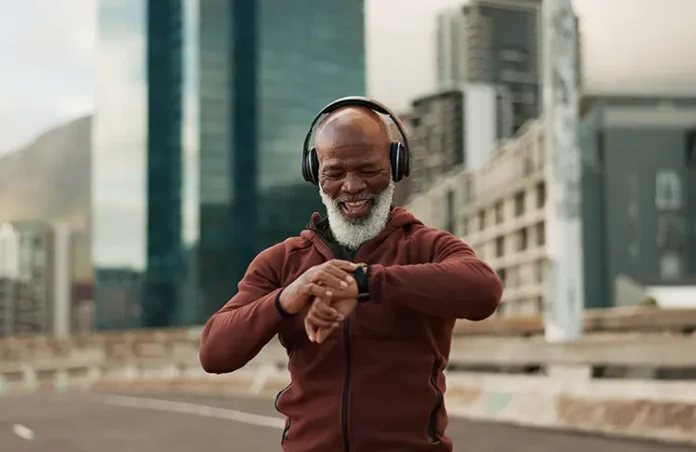
A fitness app or watch can tell you how many steps you took, how long your heart rate stayed elevated, and whether you hit your weekly cardio target.
It can’t tell you how good it felt to climb the last few stairs of a lighthouse and look out over the water, enjoy a long walk with a friend, or hit the dance floor at an event instead of watching from your seat.
That difference matters, especially for older adults. The Centers for Disease Control and Prevention recommends that adults 65 and older aim for 150 minutes of moderate-intensity aerobic activity each week, along with muscle-strengthening and balance activities.
But the CDC also notes that some activity is better than none, and that movement can be broken into small chunks throughout the day.
Numbers can offer useful guidance, but you don’t have to build your entire movement routine around them. A goal based only on weight, steps, or minutes may feel like another obligation, while a goal tied to an experience, an everyday task, or a joyful occasion gives you a reason to get moving.
Train for Something You Want To Do
Instead of promising to walk 10,000 steps every day, choose a place you’d like your legs to carry you. Maybe you have a vacation hike, a garden path, or a walking tour through a historic neighborhood in mind.
Once you’ve chosen a destination, it gets easier to visualize your plan. Start with a comfortable walk around the block. Add a little distance each week. Practice on gentle hills or take a few flights of stairs when you feel ready.
The goal isn’t to beat yesterday’s number; it’s to enjoy the view when you get there.
Travel plans can offer other ideas. If you’re hoping to explore a museum without searching for a bench every few minutes, you might work on standing and walking for longer stretches. If you’re planning a family beach trip, you could practice walking on grass or another slightly uneven surface before stepping onto sand.
Build Strength for Daily Life
Strength training doesn’t have to involve lifting heavy weights in a crowded gym. It can mean making everyday life feel less demanding.
Carrying groceries, lifting a grandchild, getting up from a low chair, and moving a suitcase all require strength. Those tasks can become fitness goals of their own.
Sit-to-stand exercises from a sturdy chair can help you practice rising more easily. You can use light dumbbells, resistance bands, or even pantry cans for curls and presses. Carrying a light bag across the room can prepare your body for hauling groceries.
Your progress may not look dramatic on an app, but noticing that a laundry basket feels lighter is a meaningful win.
Make Room for Fun
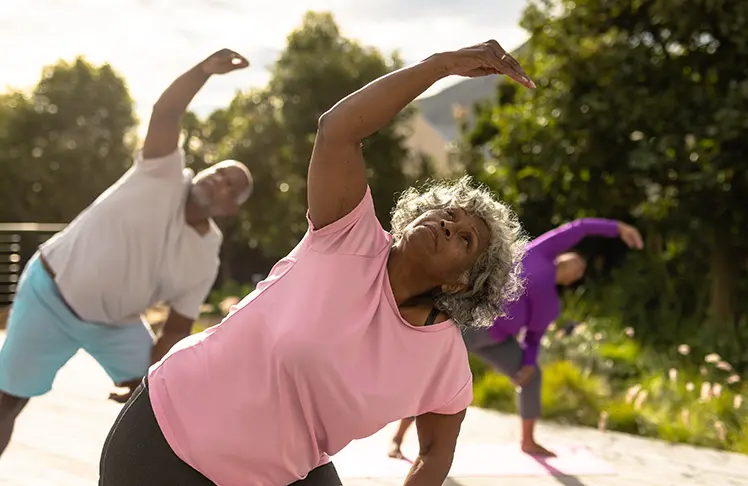
Some of the best movement doesn’t feel like a workout. Dancing in the kitchen, taking a water aerobics class, gardening, bowling, or playing with the dog all offer reasons to get up and move.
A wedding can help you set a fitness goal, too. Rather than focusing on fitting into a certain outfit, you might aim to dance through several songs at the reception without needing a long break. Practice could be as simple as putting on two favorite songs at home, dancing for as long as feels comfortable, and gradually adding another.
Social goals can also make it easier to maintain your movement practice. Meet a friend for a walk, sign up for a beginner dance class, or plan a monthly outing to explore a new area of town with your bestie.
Measure What Actually Matters
There’s nothing wrong with tracking steps or workout time. Those tools can show patterns and help you stay consistent. Still, they’re only one way to notice progress.
Try asking different questions when you’re measuring your physical progress: Can I walk farther before I need a rest? Do stairs feel less intimidating? Am I steadier when I step off a curb? Did I carry my own bags, keep up with the grandchildren, or stay on the dance floor a little longer than usual?
A good fitness goal should support the life you want to live. For many older adults, the most motivating finish line won’t appear on a scale or smartwatch — it’ll show up at the top of a lighthouse, halfway through a walking tour, or in the middle of a crowded dance floor.