By Aaron Allen, The Seattle Medium
The Northwest Children’s Foundation, a non-profit organization providing prevention and intervention programs throughout the region to bring an end to the cycles of abuse and neglect of children, recently hosted a forum to address how racialized trauma affects communities of color.
The virtual event featured a host of specialist who offered their insight and experience, as they discussed the causes, affects and healing that racism and suppression has had on communities of color.
“We know that breaking this complicated intergenerational cycle requires a multi-faceted strategy,” read a statement from the Northwest Children’s Foundation. “We must intervene and help victims heal when maltreatment has already occurred, and must also work to keep it from happening – both now and in the next generation.”
Research experts define racial trauma as the emotional and physical symptoms often experienced by Black families and people of color due to the everyday occurrences of microaggression, the falsehood of “white supremacy” and systemic racism.
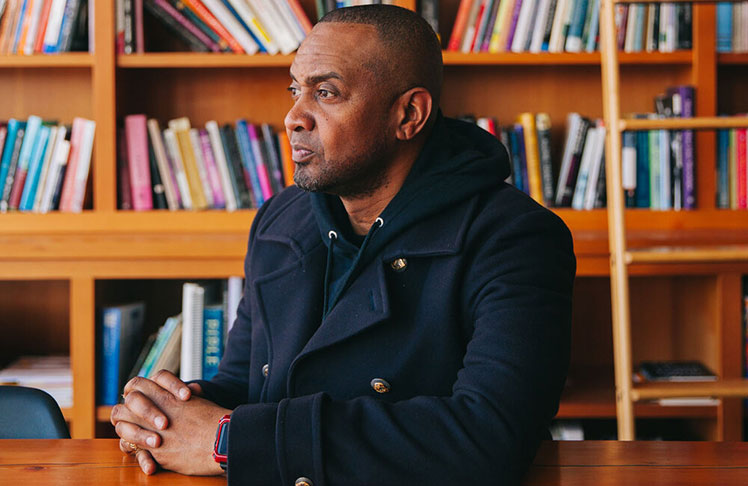
Dr. Ben Danielson, one of the speakers at the event, says that it’s important to have a “generation now” response to racism and police brutality.
“I’m thinking about this time we’re in and the impacts on our youth, on the youth across generations,” said Danielson. “I’m thinking about the reckoning that I hope for, and what it takes to sustain some type of momentum.”
“I’m feeling kind of ‘lovegry,’” said Danielson. “I make up words sometimes, “lovegry” meaning I’m feeling both loving and angry at the on-going insults to justice in our society and its impact.”
Author and activist Resmaa Menakem, author of the best-selling book, “My Grandmother’s Hands: Racialized Trauma and the Pathway to Mending Our Hearts and our Bodies,” talked about the Capitol riot and how it relates to historical trauma – not just for Blacks, but for Whites as well. He also discussed the physical impacts of trauma through the generations, and how trauma affects both the mind and the body.
“America is tearing itself apart, while we see anger and violence in the streets of our nation, the real battlefield is inside of our bodies,” said Menakem. “You saw the events surrounding the Capitol. You saw people who had difficulty in how to work with a historical trauma they never addressed.”
Megan Beers, Chief Operations and Programs Officer for Childhaven, says that Black families, and families of color experience chronic adversity and toxic stress that stem from systemic racism, justice inequality, poverty and oppression and the uncertainty and instability is a result of community stress and trauma.
“What is more common is that the children and families that we [Childhaven] partner with experience chronic adversity,” says Beers. “We know from the science…to acknowledge [trauma’s] daily repetitive nature has had a significant and sustain impact on our brains and bodies particularly early in development.”
According to advocates, there is one important component in this dialogue that opens the door of engagement between sides and begins the process of both community and generational healing from racialized trauma and adversity and that is conversation. Initiating and having a conversation steeped in courage and truth, speakers attest to the importance conversation has in the process.
Shivon Brite, Executive Vice President of Empire Health Foundation, says it is important to “engage in conversation” and utilizing truth through the sharing of stories and experiences and how community and families empowers one to engage.
“It is in this space that they [my community] help me, they allowed me to do the work I needed to do,” says Brite. “So, this story [the conversation of racialized trauma] is not just mine but all of ours, it is all of those things the seen and unseen that has brought all of us here today so that we can engage in conversation that is not only true, but feels deeply, deeply true.”
Healing is having the readiness to address the causes of the discomfort or pain. To seek the deeper, less comforting spaces at the same time appreciating familiar and comfortable spaces.
“One main concept I hope you’ll ponder is your readiness to go were these conversations lead, and, seek the deeper, rougher, less comforting spaces, as much as you appreciate the more familiar spaces, too,” said Danielson. “This is a building and growing conversation, rising up from conversations in previous years about community experiences and racism. Rising up from new voices adding wonderful wisdom to this dialogue today.”