Canva
Written by Stacker
The past two years of inflation have hit home for all Americans, but it hasn’t hit the same everywhere.
Inflation typically moves in unison across regions, and the same has been true for the rampant inflation recently. However, there are slight differences in price changes across regional economies, which become more pronounced at the metro level.
In Seattle, annual inflation was 4.3% in February, compared to 3.2% nationally.
Changes in housing prices often drive differences in inflation in various parts of the country. The U.S. West and South have grown their populations most in recent years, creating more demand for housing and, in turn, higher increases in the cost of housing and of goods overall, according to an analysis by the Federal Reserve Bank of Chicago.
Some other goods aren’t easy to transport or can be more susceptible to supply chain disruptions for certain regions. For instance, when gas prices go up, transporting out-of-season produce to metros with colder temperatures becomes more expensive. In contrast, metros in warmer climates may be able to continue growing that produce locally and wouldn’t see the same price escalations. Electricity costs can vary widely, too, depending on the primary energy sources used in different metros and the global and environmental influences they face.
To get a better sense of these differences, Stacker used Bureau of Labor Statistics data to compare the change in cost of 10 commodities in Seattle to national price changes for the same items in February, the latest data available. Some metros only provide data for certain items every other month; in those cases, January data was used, and only annual inflation figures were available.
Read on to see how inflation of various commodities compares.
You may also like: Highest-rated barbecue restaurants in Seattle, according to Yelp

Canva
Apparel
– Annual change in cost in Seattle: +5.8%
— Nationwide: No change
– One-month change in cost in Seattle: No data available
— Nationwide: +3.2%
Justin Sullivan // Getty Images
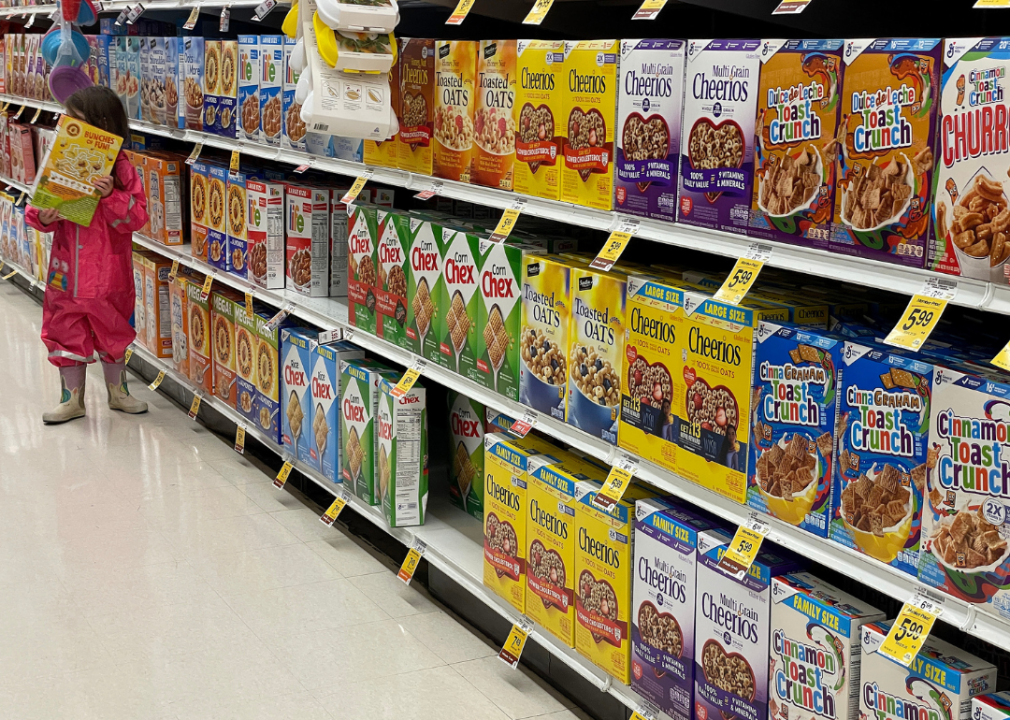
Cereals and bakery products
– Annual change in cost in Seattle: +8.7%
— Nationwide: +1.7%
– One-month change in cost in Seattle: +3.4%
— Nationwide: +0.6%
Justin Sullivan // Getty Images
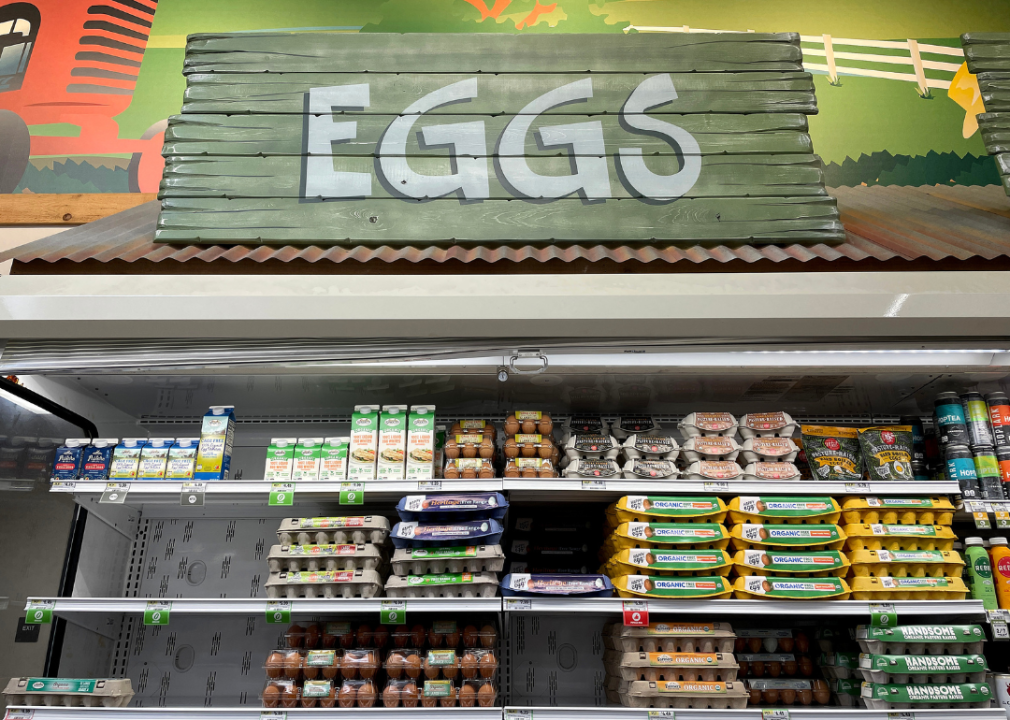
Meats, poultry, fish, and eggs
– Annual change in cost in Seattle: -4.2%
— Nationwide: -0.5%
– One-month change in cost in Seattle: +0.7%
— Nationwide: +0.1%
Canva
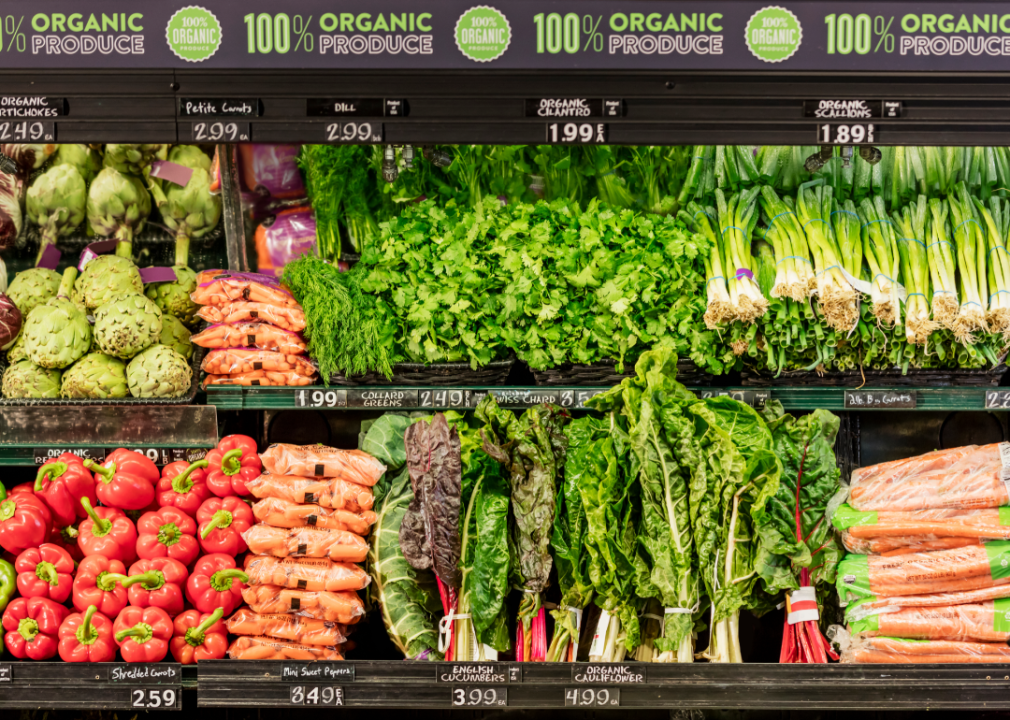
Fruits and vegetables
– Annual change in cost in Seattle: +5.8%
— Nationwide: +0.8%
– One-month change in cost in Seattle: -0.8%
— Nationwide: -0.2%
Jeffrey Greenberg/Universal Images Group // Getty Images
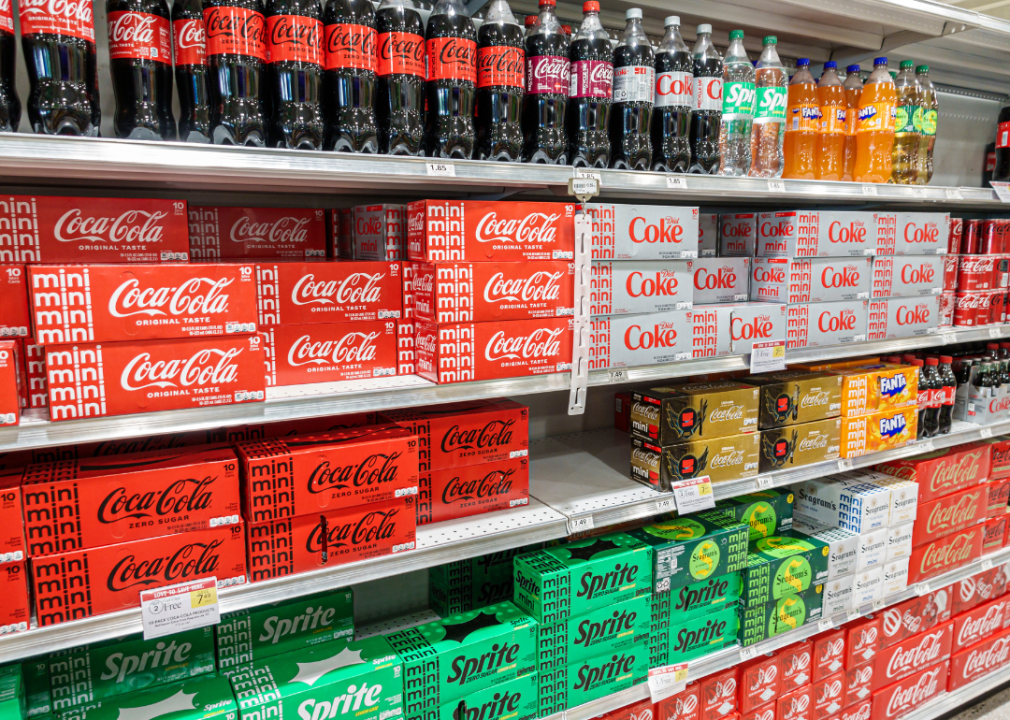
Nonalcoholic beverages and beverage materials
– Annual change in cost in Seattle: +5.0%
— Nationwide: +2.3%
– One-month change in cost in Seattle: +2.5%
— Nationwide: +0.2%
You may also like: Lowest-paying jobs in Seattle

Canva
Housing
– Annual change in cost in Seattle: +4.4%
— Nationwide: +4.5%
– One-month change in cost in Seattle: No data available
— Nationwide: +0.5%

Canva
Dairy and related products
– Annual change in cost in Seattle: -0.6%
— Nationwide: -1.8%
– One-month change in cost in Seattle: +6.9%
— Nationwide: -0.6%

Canva
Electricity
– Annual change in cost in Seattle: +7.5%
— Nationwide: +3.6%
– One-month change in cost in Seattle: No change
— Nationwide: -0.1%

Canva
Utility gas
– Annual change in cost in Seattle: -23.2%
— Nationwide: -8.8%
– One-month change in cost in Seattle: +6.3%
— Nationwide: +0.7%

Canva
Gasoline
– Annual change in cost in Seattle: -4.3%
— Nationwide: -3.9%
– One-month change in cost in Seattle: -1.9%
— Nationwide: +4.3%
This story features data reporting and writing by Paxtyn Merten and is part of a series utilizing data automation across 23 metros.
You may also like: What are the most common degrees in Seattle?