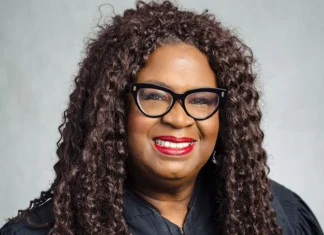
“I know a couple of people who work for Amazon corporate, but I don’t know how they got in that position. But particularly in tech, you have to be in that field or know someone in that field to have that pathway. We can’t just fill out an application.”

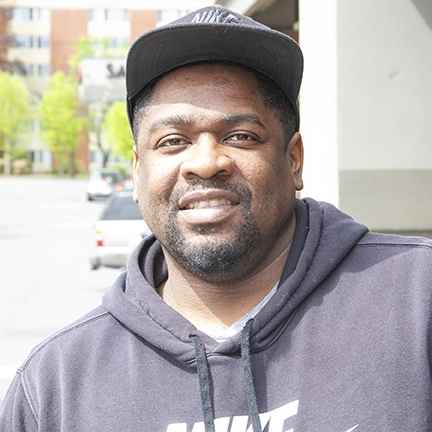
“They need to do better. Sometimes I just wonder if they don’t want us in that industry. Making $80,000 a year, but we can’t? We then get hooked on the bad things, and it is all a part of the plan to destroy us, and to a certain extent, it is us doing it to ourselves. Of course, they could be doing more, but a lot of us don’t know what opportunities are available to us, even myself.”
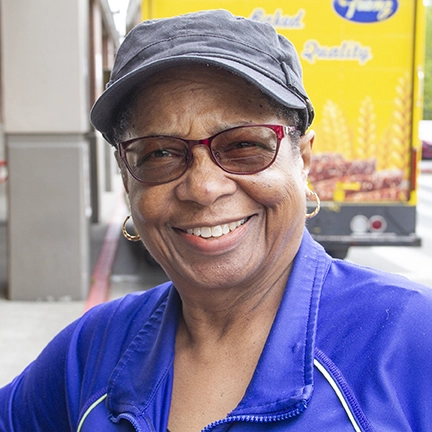
“No, and everything starts with our children in grade school. They should be promoting it then and really reaching our kids and desiring them to pursue different education pathways. We need to provide our children with opportunities, and people of color.”
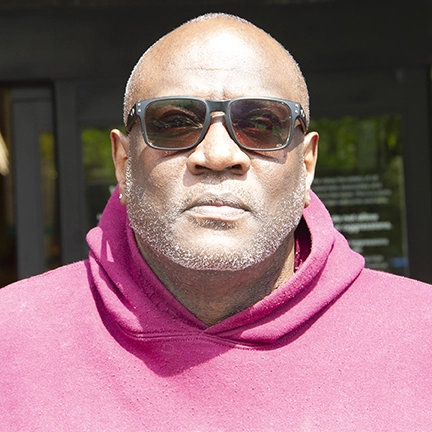
“No. This is a White folk state, and that is who they are giving the jobs to. They are not doing enough for the Black folks here.”
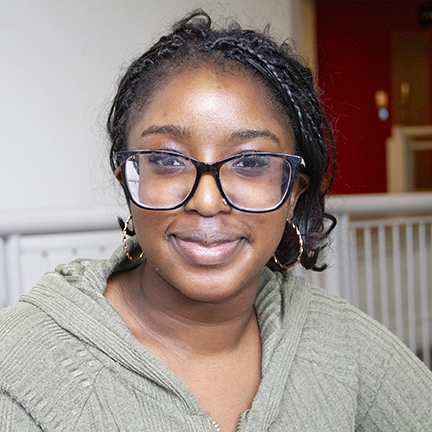
“Personally, I grew up in a predominantly Black environment. So, when we did have different career groups come in to talk to us, it was never about technology, and I never really realized that until I grew up. They push you to a lot of other pathways.”

“I definitely think they should be pushing more to diverse communities. I grew up in a predominantly white school and in an area of town that wasn’t too classy. So, I definitely think that those tech companies had their outreach going toward more higher-class cities, rather than somewhere that is more diverse. So yes, I definitely think they should try to reach more diverse communities so that the tech industry can be more diverse as well.”