By Aaron Allen, The Seattle Medium
As Seattle Public Schools faces a projected $100 million budget deficit, paraeducators across the district are warning that proposed cuts could dismantle critical support systems for the city’s most vulnerable students.
Often described as the “boots on the ground” in classrooms, paraeducators say they are far more than support staff. They are relationship builders, crisis responders, and cultural connectors for students who often struggle to navigate traditional school environments.
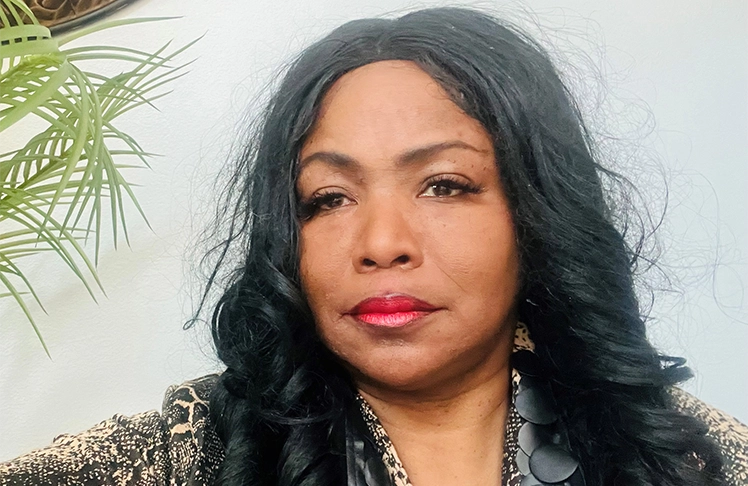
Demetrice Wheeler, a veteran student family advocate and paraeducator with decades of experience in Seattle’s Interagency alternative school network, said the looming cuts feel personal.
“I feel like it’s an injustice to not look at those positions as just as important as a certified teacher,” said Wheeler. “The relationship building and the crisis response and all the cultural connections, that is the work that we do.”
While the title “paraeducator” can suggest a classroom assistant, the role in Seattle’s alternative education programs is far more expansive. In Interagency schools, a network of smaller campuses serving students who have not thrived in traditional settings, paraeducators often manage challenges that extend far beyond academics.
They address food insecurity, housing instability, truancy, and behavioral support, while also serving as a primary point of contact for families who may feel disconnected from the school system.
“Academics is secondary to how kids are showing up in school,” said Wheeler. “If the paraeducators are not there to go and look for the students, to do truancy, attendance becomes a barrier.”
For many students, particularly those in neighborhoods such as Rainier Beach and West Seattle, paraeducators are often the most consistent and trusted adults in the building.
Brandon Sanchez, a student family advocate and paraeducator with a decade of experience at Interagency Academy, said those relationships are being overlooked as the district prioritizes certificated staff in response to the deficit.
“The main thing is the undervaluing of someone who doesn’t have a degree,” said Sanchez. “Right now, the first people to go are the classified staff that don’t have a master’s degree to say that they’re needed.”
Wheeler and Sanchez both argue that those decisions carry broader implications, particularly for students of color, who make up a significant portion of the Interagency population.
“My personal feeling about the deficit is that we shouldn’t be trying to fix it on the backs of the Black and Brown staff that hold these positions,” said Wheeler. “You’re hiring White counselors. Our kids, it takes time to build that relationship. You better have some kind of connection.”
Sanchez echoed that concern, noting that while the district has increased its focus on mental health, the approach may not align with the cultural realities of many students.
“They’re pushing more of this mental health wellness standpoint, which again, will end up being particularly white staff,” said Sanchez. “In Black households, mental health isn’t always something that’s openly talked about. We have to humanize that first.”
Beyond the classroom, paraeducators also face systemic barriers that limit career mobility and financial stability.
Wheeler, who once considered becoming a certificated teacher, said the transition would have required a significant pay cut due to her seniority as a paraeducator.
“I was told if you become a teacher, you will lose $30,000 of your salary,” said Wheeler. “Who’s going to lose $30,000?”
Sanchez added that while programs have encouraged paraeducators to pursue higher education, many lack the financial support or flexibility to complete degrees while working.
“They were given those opportunities without a way of capitalizing on them,” said Sanchez. “So when those support staff aren’t there anymore, who’s going to fill that space?”
With displacement notices already being issued, some paraeducators fear the district may consolidate Interagency campuses into a single location, a move they say could create new barriers for students who rely on neighborhood-based access.
“We’ll see the outcomes of that,” said Sanchez. “When those students of color still have those needs, who’s going to step in when a teacher says, ‘I can’t handle this classroom?’”
For Wheeler, the stakes extend far beyond staffing decisions.
Over the course of her career, she has attended students’ graduations and, at times, their funerals.
“I’ve been to funerals. I’ve been to graduations. I’ve lost a lot of students,” said Wheeler. “It’s really been something that has pulled on my heartstrings.”
As the district weighs its next steps, paraeducators say the question is not just how to close a budget gap, but what will be lost in the process.
“They’re the most relatable staff right now,” said Wheeler. “They have lived experience of the educational system. They’re more relatable for students of color.”
“Being a paraeducator is usually backed by a need that a school or a teacher isn’t providing,” added Wheeler. “Most of the time, we’re the ones reinforcing things, supporting students who just need a different kind of conversation.”