By Kiara Doyal, The Seattle Medium
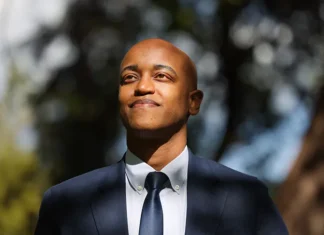
Growing up, Ajani Chappell only had a handful of Black teachers. Today, as a Targeted Academic Behavior Support teacher at Rainier Middle School, he hopes more students have the opportunity to see themselves reflected in the classroom.
“I think increasing the number of Black teachers is important because representation matters,” said Chappell. “For Black students especially, having Black teachers can increase their sense of belonging and show them that their goals are achievable, while also giving them someone who may better understand some of their experiences.”
Chappell’s experience reflects findings from a recent report by the U.S. Department of Education’s Institute of Education Sciences, which found that having teachers of color, and Black teachers in particular, can improve academic outcomes for students of color.
As a Black student teacher, Chappell said he has seen firsthand how important it is for students to have educators they can relate to, especially when there are few Black men working in schools.
“Those experiences I have had mentoring through coaching have reinforced that I want to be someone who helps students believe in themselves both academically and professionally,” said Chappell.
One conversation with a student reinforced that belief.
“She told me, ‘She doesn’t look like us, so I don’t know if she truly knows us.’ That conversation reminded me how important representation can be,” said Chappell. “Whether or not her perception was accurate, she felt more comfortable asking someone she believed could understand her perspective and lived experiences.”
“It reinforced my desire to be the kind of educator that students feel safe approaching with questions about both academics and their identities,” he added.
To help strengthen the pipeline of educators, the Alliance for Education has partnered with Seattle Public Schools through the Seattle Teacher Residency, a program that prepares and supports future teachers while working to increase diversity in the district’s workforce. Participants earn a Master in Teaching degree from the University of Washington College of Education while completing teacher certification in elementary education or special education.
Dr. Rachel Oppenheim, senior director of the Seattle Teacher Residency, said educators who reflect the communities they serve help foster stronger relationships with students and create more equitable learning environments.
“It is crucial that students are taught by teachers who are aware of the limiting history of education, are from their own communities, understand their cultural contexts, and who celebrate their assets,” said Oppenheim. “All teachers need to approach their work with a critical awareness of the legacies of harm that schools have enacted.”
Oppenheim said the residency program was developed in partnership with the Academy of Rising Educators to create a pathway to teacher certification for paraeducators and other school support staff, helping remove financial and structural barriers that have historically limited access to the teaching profession.
“This pathway broadens access to the teaching profession and provides a path to greater economic mobility for people who have previously been kept out of the profession because of economic and other barriers,” said Oppenheim. “This also helps ensure that teachers in Seattle Public Schools are better representatives of the communities they serve.”
According to Oppenheim, today’s shortage of Black educators has deep historical roots.
“Many Black teachers were pushed out of the profession to avoid white students being taught by Black educators. During this era [Brown v. Board of Education], 100,000 Black teachers and principals were fired, demoted, and removed from schools,” said Oppenheim. “This meant that Black students were no longer taught by people who knew their families, came from their communities, and cared about their well-being and growth as learners. We still see those repercussions today in a teaching field that is predominantly led by white women.”
Recruiting Black educators remains challenging, she said, because many experienced harm in the very school systems they are now being asked to join.
“One of the things we think about and work toward is creating supportive, sustaining environments for future Black educators, knowing that it is a heavy lift to come back and be part of a system that has harmed them and others like them,” said Oppenheim.
Retention, she added, is just as important as recruitment.
“In addition, recruiting talented, supportive mentors who are people of color can help emerging educators feel supported and can equip them with the tools to navigate systems that were not designed with them in mind,” said Oppenheim. “When school administrators lead by example and foster a culture of belonging and antiracism in their buildings, Black teachers are much more likely to feel sustained and valued in their roles.”
For Chappell, supporting Black educators means recognizing that their contributions often extend beyond teaching.
“Students come from many different backgrounds, so having a diverse teaching workforce allows more students to feel seen, understood, and valued,” said Chappell. “Diversity also exposes every student to different perspectives, which helps create a more inclusive school culture.”
Looking ahead, Chappell said schools must do more than recruit Black educators. They must create environments where they can thrive.
“That includes providing mentorship, opportunities for leadership, and creating environments where Black teachers feel supported and heard,” said Chappell. “I also think it’s important for districts to recognize the additional mentorship and relationship-building that many Black educators naturally take on and make sure that they have the support they need to continue doing that work without burning out.”